

Managing Editor
@ShahidNShah
@ShahidNShah
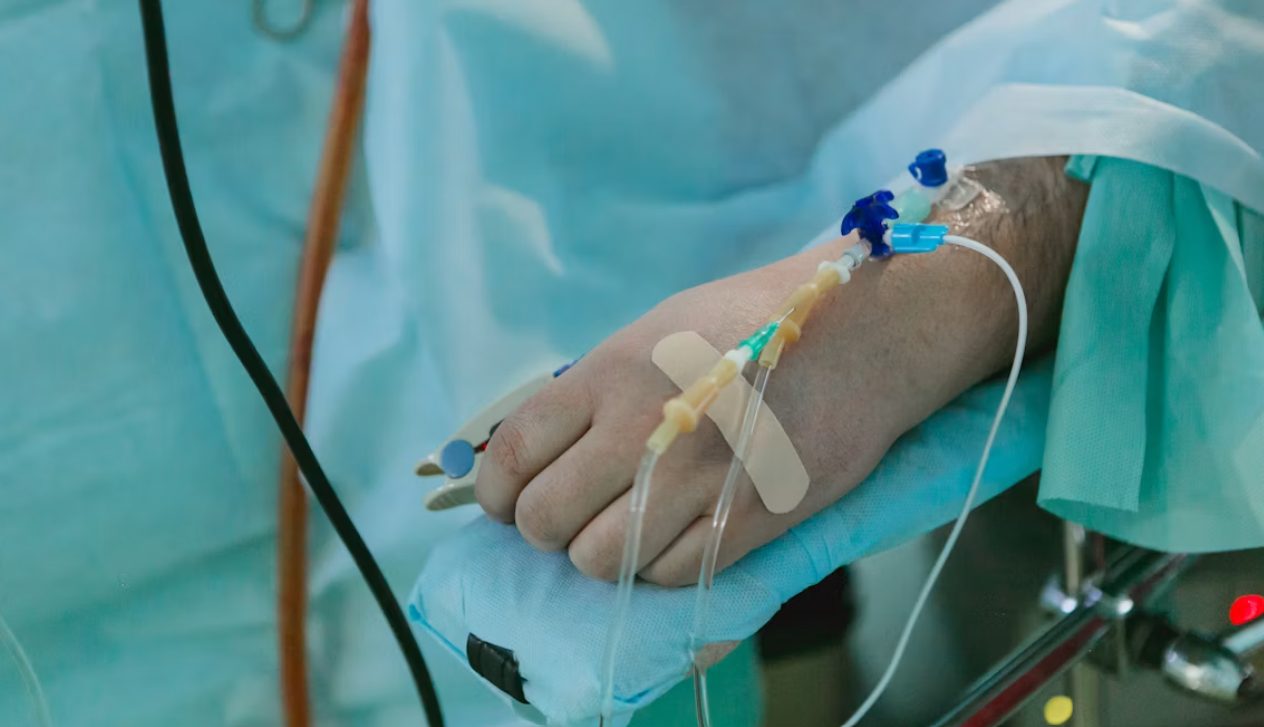
A first infusion visit can stir relief, caution, and many practical questions at once. Most patients want a plain explanation of each step before treatment begins. Specialty infusion centers across the country are built for close observation, controlled medication delivery, and patient comfort during long appointments. Knowing what each stage involves can turn an unfamiliar process into a straightforward one.
Nurses, pharmacists, and support staff work in coordination, so care feels orderly from arrival through discharge. Learning about specialty pharmacy infusion services beforehand can ease first-visit nerves. With a clear preview, the day usually feels more manageable and less uncertain. Here is a step-by-step look at what a typical first visit includes.
Preparation often starts days before the appointment, with benefit review, scheduling calls, and treatment instructions. Staff may discuss medication storage, chair time, monitoring plans, and follow-up contact during these early calls. That early guidance matters because infusion therapy involves pharmacy verification, nursing assessment, and timed administration, all coordinated before a patient ever enters the clinic.
Most centers ask patients to bring photo identification, insurance details, a current medication list, and any referral forms requested earlier. Comfort items also help. A sweater, water bottle, phone charger, or paperback can make long sitting periods easier. Some sites allow one support person, though rules vary by location. A quick phone call before the visit can confirm parking, building access, and visitor limits.
Check-in usually includes identity verification, insurance confirmation, and review of the ordered medication. Soon after, a nurse records weight, temperature, pulse, blood pressure, and oxygen level. Those baseline measurements help staff judge whether treatment can begin safely. Patients may also answer questions about fever, cough, rash, recent infections, or prior infusion reactions. Clear answers support sound clinical decisions before any drug is started.
Infusion rooms are usually arranged for long stays, with recliners, side tables, blankets, and easy nurse visibility. The setting is meant to reduce strain while allowing prompt response if symptoms appear. Some centers offer drinks or light snacks, depending on the therapy plan and dietary limits. Lighting is often soft, and the pace stays quiet. That environment helps patients settle in before medication begins.
Once seated, the nurse places an intravenous line unless another access device is already in place. Before medication starts, the line is flushed to confirm smooth blood return and proper catheter position. Some drugs begin slowly so early reactions can be caught quickly. Others run at a fixed rate from the start. The exact sequence depends on the prescription, diagnosis, and reaction history.
During the infusion, nurses check vital signs and ask about new symptoms at regular intervals. They watch for flushing, itching, chest tightness, dizziness, nausea, swelling, or shortness of breath. If a reaction appears, staff can pause the medication, adjust the rate, give fluids, or provide supportive treatment. Close observation is a core part of infusion care. It allows concerns to be addressed before they escalate.
First appointments often take longer than later sessions because education, assessment, and observation require extra time. Patients are usually free to read, rest, listen to music, or use a device while treatment runs. Bathroom breaks may be possible, though timing depends on tubing, pump settings, and medication safety requirements. Delays can happen when pharmacy preparation takes longer or when additional monitoring is clinically necessary.
Helpful questions often focus on timing, expected sensations, and symptoms that deserve a phone call later. Patients can ask how long the infusion should last, whether food or fluids are encouraged, and when normal activity may resume. It also makes sense to ask about fatigue, headache, muscle aches, or delayed rash after discharge. Clear answers give patients a safer plan for the hours that follow.
Before discharge, staff remove the intravenous line, inspect the site, and review home instructions. Patients are usually told what symptoms require urgent contact and which effects are expected to pass on their own. Mild fatigue can occur after some therapies, while others cause little immediate change. Written guidance is useful because details are easy to forget after a long visit. Follow-up scheduling often happens before departure.
A first specialty pharmacy infusion visit is usually more structured and more carefully supervised than many patients expect. Each stage serves a clinical purpose, from baseline vital signs to post-treatment observation. That steady process helps reduce risk while making the experience easier to tolerate physically and emotionally. When patients know how the visit unfolds, what staff are watching for, and what happens afterward, the entire appointment often feels calmer and more predictable.


Orthodontics has always been about transformation. A patient walks in with one version of their smile and, over time, leaves with another. But today, the transformation is no longer limited to teeth, …
Connecting innovation decision makers to authoritative information, institutions, people and insights.

Medigy accurately delivers healthcare and technology information, news and insight from around the world.
Medigy surfaces the world's best crowdsourced health tech offerings with social interactions and peer reviews.
© 2026 Netspective Foundation, Inc. All Rights Reserved.
Built on Oct 15, 2026 at 6:05pm