

Managing Editor
@ShahidNShah
@ShahidNShah
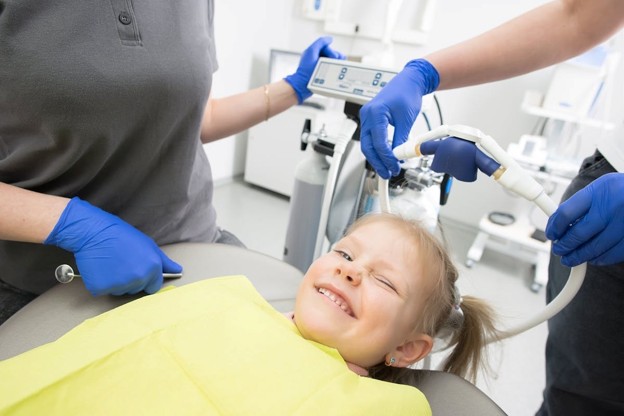
The American Dental Association reports that tooth decay affects 23% of children aged 2–5 — making it one of the most common chronic diseases in young children. Yet many parents in New Braunfels wait until they notice obvious problems before scheduling that first dental appointment, missing a critical window for prevention. As pediatric dentistry increasingly emphasizes early intervention and establishing positive dental experiences from the start, the timing and approach to a child’s first visit can shape their oral health trajectory for decades.
For families navigating this milestone, the stakes extend beyond just checking for cavities. That first visit sets the foundation for how children perceive dental care, influences their cooperation with future treatments, and provides essential preventive measures during the most cavity-prone years. Learning more about pediatric dental care in New Braunfels can also help parents better understand what to expect during a pediatric dental exam, when to schedule it, and how to prepare both themselves and their child—transforming what many parents dread into a positive experience that supports lifelong healthy habits.
Early dental visits serve as the cornerstone of preventive care during the years when children’s teeth are most vulnerable. Between ages 1 and 5, children’s enamel is thinner and more porous than adult teeth, making them particularly susceptible to rapid decay. What starts as a tiny spot on a baby tooth can progress to a painful infection within months, potentially affecting the permanent tooth developing underneath.
Beyond cavity prevention, these early appointments establish crucial baseline oral health data that pediatric dentists use to track development patterns. Many orthodontic and bite issues become apparent during routine early exams, when interventions are most effective and least invasive. Consider a three-year-old whose thumb-sucking habit is starting to affect tooth positioning — early identification allows for gentle behavioral modifications rather than extensive orthodontic treatment years later.
The psychological benefits prove equally significant. Children who experience positive dental interactions before age three typically develop better compliance with oral hygiene routines and show less anxiety during subsequent visits. This early trust-building creates a foundation that makes more complex treatments manageable if they become necessary. When children view the dental office as a familiar, safe space rather than an intimidating medical environment, parents spend less time battling resistance and more time supporting healthy habits.
Research from pediatric dental practices also shows that children receiving early preventive care require significantly fewer restorative treatments throughout childhood. The combination of professional fluoride applications, sealant placement timing, and parental education about nutrition and hygiene creates a comprehensive prevention strategy that works best when initiated during the toddler years.
The American Academy of Pediatric Dentistry recommends scheduling the first dental visit by age one or within six months of the first tooth appearing — guidance that often surprises parents expecting to wait until their child has a full set of teeth. This timeline reflects growing evidence that early assessment and intervention prevent problems rather than simply treating them after they develop.
Most children benefit from their first visit between 12 and 18 months, when they typically have four to eight teeth erupted but remain relatively comfortable with new experiences. At this age, children are naturally curious rather than fearful, making the introduction to dental care smoother. The exam itself focuses on assessment rather than extensive cleaning, allowing the child to become familiar with the dental chair, lights, and basic examination tools.
Waiting until age three or four — still common among many families — misses critical developmental windows. By then, dietary habits are established, thumb-sucking patterns are ingrained, and any existing decay has had years to progress. Children this age are also more likely to experience separation anxiety and resistance to new authority figures, making the first visit more challenging for everyone involved.
Certain circumstances warrant earlier visits. Children who experience trauma to baby teeth, show signs of unusual tooth development, or have medical conditions affecting oral health may need professional assessment before their first birthday. Similarly, children with special needs often benefit from dental home establishment as early as possible to accommodate longer adjustment periods.
The key lies in viewing that first visit as relationship-building rather than problem-solving. When scheduled at the optimal time, these appointments create positive associations that support cooperative behavior throughout childhood, making subsequent preventive and treatment visits significantly more manageable for families.
Successful preparation begins weeks before the appointment with age-appropriate conversations that build familiarity without creating anxiety. The goal isn’t to eliminate all nervousness — some apprehension is normal — but to provide enough context that children feel prepared for the experience ahead.
Start with simple, positive language about dental visits being routine checkups that help keep teeth healthy and strong. Read age-appropriate books about dental visits, focusing on stories that show children having positive experiences rather than books that emphasize fear or discomfort. Many pediatric dental offices provide their own preparation materials designed specifically for their procedures and environment.
Practice basic cooperation skills at home through playful “dental exams” where you gently look at your child’s teeth with a flashlight, count teeth together, or pretend to polish them with a soft toothbrush. This familiarizes children with having someone examine their mouth without the clinical setting pressure. Avoid using dental visits as threats for poor hygiene behavior — this creates negative associations that can last for years.
Schedule the appointment for your child’s best time of day, typically mid-morning when they’re alert but not hungry or tired. Bring a comfort item if your child is particularly attached to a stuffed animal or blanket, and plan to arrive slightly early to allow adjustment time without rushing.
Modern pediatric dental care in New Braunfels employs specialized techniques designed specifically for young patients’ emotional needs. Child-focused dental offices typically feature smaller equipment, colorful environments, and staff trained in behavioral guidance techniques that help children feel safe and respected throughout their visit.
Pediatric dentists often use a “tell-show-do” approach where they explain each step in child-friendly language, demonstrate the procedure on a stuffed animal or the parent’s hand, then perform it on the child. This predictable sequence reduces anxiety by eliminating surprises and giving children a sense of control over the process.
Parents play a crucial role in anxiety management through their own behavior and reactions. Children instinctively mirror parental emotions, so remaining calm and positive — even if you have your own dental anxieties — significantly influences your child’s comfort level. Trust the dental team’s expertise in child behavior management rather than trying to coach or control your child’s responses during the appointment.
If tears or resistance occur, experienced pediatric dental teams have strategies for maintaining progress while respecting the child’s emotional state. The goal is always completing the visit successfully while preserving the child’s willingness to return, even if that means adjusting the planned procedures based on the child’s cooperation level.
The initial pediatric dental exam follows a structured but gentle progression designed to gradually introduce children to dental procedures while gathering essential health information. Most first visits last 20-30 minutes and focus on assessment and prevention rather than extensive treatment.
The appointment typically begins in a consultation room where the dental team reviews the child’s medical history, discusses any concerns, and explains their approach. This gives children time to observe the environment and begin building rapport with their dental team before moving to the examination chair. Many practices allow children to explore the dental chair, watch it move up and down, or hold dental tools to reduce mystery and fear.
The clinical exam starts with a visual assessment of tooth development, bite alignment, and oral tissue health. The dentist examines each tooth for signs of decay, checks gum tissue for inflammation, and evaluates jaw development patterns. Unlike adult exams, pediatric assessments often involve more explanation and demonstration to maintain the child’s comfort and cooperation throughout the process.
Professional cleaning for young children focuses on gentle plaque removal and fluoride application rather than the intensive scaling performed on adult teeth. Dental hygienists use smaller instruments and often flavored cleaning materials to make the experience more pleasant. The cleaning serves educational purposes as well, demonstrating proper brushing technique and identifying areas where home care could improve.
First visits frequently include preventive treatments like fluoride varnish application, which strengthens enamel and provides months of cavity protection. Depending on the child’s age and tooth development, the dentist may discuss sealant placement timing for permanent molars or recommend specific products for home use. The visit concludes with personalized guidance for parents about diet, hygiene routines, and developmental expectations.
Throughout the exam, pediatric dental teams maintain a positive, encouraging atmosphere while gathering comprehensive information about the child’s oral health trajectory. This thorough but gentle approach ensures nothing important gets missed while establishing the foundation for ongoing preventive care.
Establishing effective home care routines after the first dental visit requires adapting standard oral hygiene recommendations to your child’s developmental stage and cooperation level. The dentist’s specific guidance based on your child’s exam findings provides the foundation for a personalized approach that evolves as your child grows.
For toddlers and preschoolers, successful brushing depends more on parental involvement than child independence. Parents should actively brush their child’s teeth until around age 6, when children develop the fine motor skills necessary for thorough cleaning. Using fluoride toothpaste in rice-grain amounts for children under three, and pea-sized amounts for older children, provides optimal cavity protection without swallowing risks.
Nutrition counseling often emerges as a crucial component of post-visit care planning. The dental team typically discusses how snacking frequency, juice consumption, and sticky foods affect cavity development differently than in adults. Understanding that children’s teeth face acid attacks for 20 minutes after each exposure to sugars or carbohydrates helps parents make informed decisions about meal timing and snack choices.
Follow-up visit scheduling depends on your child’s individual risk factors and cooperation level. Children with higher cavity risk may need appointments every three to four months, while those with excellent oral health might maintain six-month intervals. Regular visits during early childhood allow for timely sealant placement, fluoride treatments, and orthodontic monitoring during peak developmental years.
The relationship between early dental experiences and lifelong oral health habits cannot be overstated. Children who view dental care as routine, positive healthcare develop better compliance with daily hygiene and show greater willingness to address problems early when solutions are simpler and less costly. The investment in establishing dental homes during toddlerhood pays dividends throughout childhood and into adulthood, creating a foundation for optimal oral health that extends far beyond those first baby teeth.

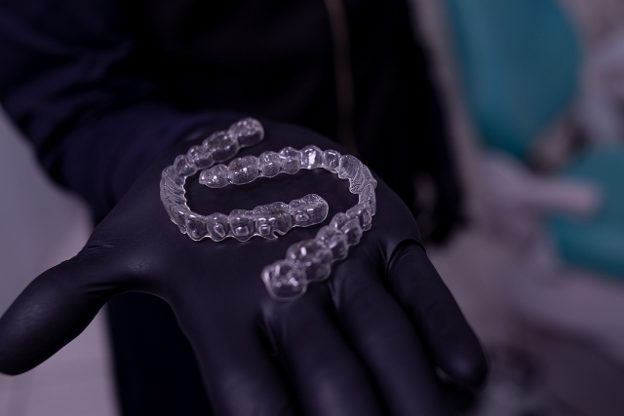
According to the American Dental Association’s 2023 orthodontic survey, clear aligner treatments like Invisalign now account for over 40% of all orthodontic cases in the United States — a …
Posted Apr 8, 2026 Dental Care Dentistry
Connecting innovation decision makers to authoritative information, institutions, people and insights.

Medigy accurately delivers healthcare and technology information, news and insight from around the world.
Medigy surfaces the world's best crowdsourced health tech offerings with social interactions and peer reviews.
© 2026 Netspective Foundation, Inc. All Rights Reserved.
Built on Apr 8, 2026 at 1:06pm