

Managing Editor
@ShahidNShah
@ShahidNShah
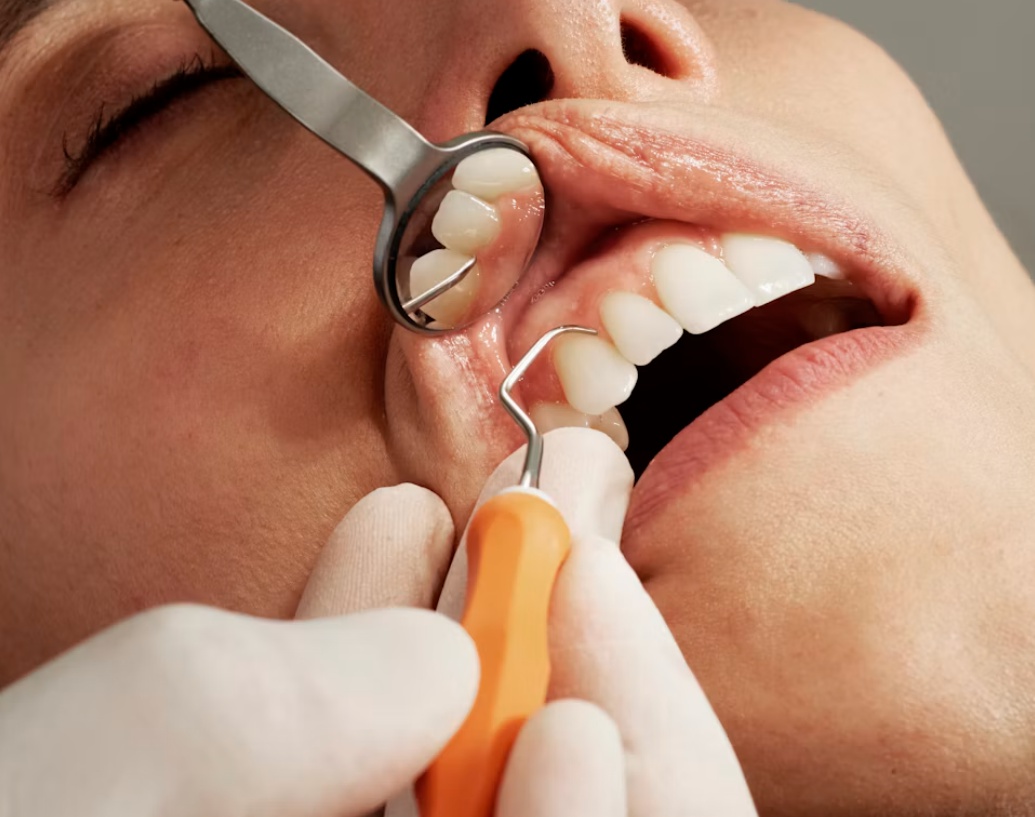
Visiting the dentist is not always a relaxing experience. For many people, the sound of a drill, the smell of a dental office, or even the thought of sitting in the chair can trigger real anxiety. For others, complex procedures simply require more time and comfort than a standard appointment allows. This is where IV sedation dentistry comes in. IV conscious sedation dentistry offers a safe, effective way to help patients feel calm, comfortable, and relaxed during dental treatment, all while remaining conscious and able to respond to the dentist throughout the procedure.
In this article, we will explore what IV conscious sedation dentistry is, how it works, who it is best suited for, and what patients can expect before, during, and after treatment. Whether you have dental anxiety, a low pain threshold, or simply need extensive work done in a single visit, understanding IV sedation dentistry can help you make an informed decision about your oral health care.
IV conscious sedation dentistry is a method of administering sedative medication directly into the bloodstream through an intravenous (IV) line. Unlike general anesthesia, which renders a patient completely unconscious, IV sedation keeps the patient in a deeply relaxed, semi-aware state. Patients are able to breathe on their own, respond to verbal cues, and follow simple instructions from the dental team, even though they often have little to no memory of the procedure afterward.
The term “conscious sedation” refers to this middle ground between being fully awake and being fully unconscious. The medication used in IV sedation dentistry works quickly because it enters the bloodstream directly, allowing the dentist to control the level of sedation throughout the appointment. This is one of the key advantages of IV sedation over oral sedation methods, which can take longer to take effect and are harder to adjust once administered.
Dentists who offer IV sedation dentistry are typically required to complete additional training and certification beyond standard dental school education. This specialized training ensures that the dental team can safely monitor vital signs, adjust sedation levels as needed, and respond quickly to any unexpected reactions during treatment.
The process of IV sedation dentistry begins well before the day of the procedure. Patients typically have a consultation with their dentist to review their medical history, discuss any medications they are currently taking, and determine whether they are a good candidate for sedation. This step is important because certain health conditions or medications can affect how a patient responds to sedative drugs.
On the day of the procedure, the patient is usually asked to avoid eating or drinking for several hours beforehand, similar to preparation for other medical procedures involving sedation. Once at the dental office, a small IV line is placed, typically in the arm or hand. The sedative medication is then administered slowly, allowing the dental team to monitor the patient’s response and adjust the dosage as needed.
Throughout the procedure, the patient’s vital signs, including heart rate, blood pressure, and oxygen levels, are continuously monitored. This allows the dental team to ensure the patient remains safely and comfortably sedated throughout the entire appointment. Because the sedation is given intravenously, the effects begin almost immediately and can be fine-tuned in real time, which is particularly useful for longer or more complex dental procedures.
After the procedure is complete, the IV line is removed, and the patient is monitored in a recovery area until the sedative effects begin to wear off. Because the medication can cause drowsiness and impaired coordination for several hours afterward, patients are required to arrange for someone to drive them home and, ideally, stay with them for the remainder of the day.
IV conscious sedation dentistry is not necessarily recommended for every patient or every procedure, but it can be an excellent option for a wide range of individuals. Some of the most common candidates include:
Patients with dental anxiety or phobia, including those who avoid the dentist altogether due to fear
Patients who have had traumatic dental experiences in the past
Patients with a strong gag reflex that makes dental work difficult
Patients who require extensive or multiple procedures completed in a single visit
Patients with special needs who may have difficulty sitting still or cooperating during treatment
Patients who are highly sensitive to pain or have a low pain tolerance
It is important to note that IV sedation dentistry is typically reserved for adults and older adolescents, as the sedation requires careful monitoring and the ability to follow instructions during the procedure. A thorough medical evaluation is always conducted before sedation to ensure it is a safe choice for each individual patient.
While IV sedation can technically be used for almost any dental procedure, it is most commonly recommended for more involved or lengthy treatments. Some of the procedures that frequently utilize IV conscious sedation dentistry include wisdom tooth extraction, dental implant placement, full mouth reconstruction, root canal therapy, and complex oral surgery.
For patients undergoing multiple extractions or implant placements in a single appointment, IV sedation allows the dentist to work efficiently while keeping the patient comfortable for an extended period. This can reduce the total number of visits required, which is especially beneficial for patients who experience significant anxiety with each trip to the dental office.
There are several reasons why patients and dentists alike choose IV conscious sedation dentistry over other sedation options. One of the primary benefits is the speed at which the medication takes effect. Because it is delivered directly into the bloodstream, patients begin to feel the calming effects almost immediately, unlike oral sedatives that must first be digested and absorbed.
Another major advantage is the ability to adjust sedation levels throughout the procedure. If a patient needs a lighter or deeper level of sedation at any point, the dentist can modify the dosage in real time. This level of control is not possible with oral sedation, where the dose is fixed once it has been swallowed.
IV sedation dentistry also tends to produce a strong amnesic effect, meaning many patients have little to no memory of the procedure itself. For individuals with significant dental anxiety, this can be one of the most appealing aspects of the treatment, as it removes the psychological burden of “remembering” an unpleasant experience.
Additionally, because patients remain conscious and able to breathe independently throughout the procedure, IV sedation dentistry is generally considered safer than general anesthesia for most routine and semi-complex dental work. Recovery time is also typically shorter compared to general anesthesia, allowing patients to return to their normal activities more quickly, although driving and operating machinery should still be avoided for the remainder of the day.
Recovery from IV sedation dentistry is usually straightforward, though patients should plan accordingly. Immediately following the procedure, patients are moved to a recovery area where they are monitored until they are stable enough to leave the office. Grogginess, slight confusion, and drowsiness are common in the hours following sedation, which is why arranging transportation home in advance is essential.
Most patients are advised to rest for the remainder of the day and avoid any activities that require full alertness, such as driving, operating heavy machinery, or making important decisions. Eating light, easy-to-digest foods is often recommended, particularly if any oral surgery was performed as part of the appointment.
By the following day, most of the sedative effects have worn off completely, and patients can typically resume their normal daily routine, following any additional aftercare instructions provided by their dentist regarding the specific procedure performed.
Safety is often one of the biggest concerns patients have when considering IV sedation dentistry. When administered by a properly trained and certified dental professional, IV sedation has an excellent safety record. Dentists who provide this service are required to undergo specialized training in sedation administration, emergency response, and patient monitoring.
Before any sedation is administered, a comprehensive medical history review is conducted to identify any risk factors, such as allergies, current medications, or underlying health conditions that could affect how a patient responds to sedative drugs. During the procedure, continuous monitoring of vital signs, including heart rate, blood pressure, and oxygen saturation, ensures that any changes are caught and addressed immediately.
As with any medical or dental procedure involving sedation, there are some inherent risks, including allergic reactions or complications related to underlying health conditions. However, these risks are significantly minimized through careful screening, proper training, and continuous monitoring throughout the procedure.
Will I be unconscious during IV sedation dentistry?
No. IV conscious sedation keeps you in a deeply relaxed state, but you remain conscious and able to respond to verbal instructions from your dental team.
How long does IV sedation dentistry last?
The duration depends on the length of the procedure, but sedation effects typically wear off within a few hours after treatment. Some grogginess may linger for the rest of the day.
Will I remember anything from my appointment?
Many patients have little to no memory of the procedure due to the amnesic effects of the sedative medication, though this can vary from person to person.
Can I drive myself home after IV sedation dentistry?
No. You will need someone to drive you home and, ideally, stay with you for several hours after your appointment, since the sedative effects can impair coordination and judgment.
Is IV sedation dentistry painful?
The initial placement of the IV line may involve a brief pinch, but once the sedative takes effect, most patients feel little to no discomfort during the procedure.
Who should avoid IV sedation dentistry?
Patients with certain medical conditions, pregnant individuals, or those taking specific medications may not be good candidates. A thorough medical evaluation before treatment will determine eligibility.
How much does IV sedation dentistry cost?
Costs vary depending on the provider, geographic location, and the length and complexity of the procedure. Many dental offices offer financing options, and some dental insurance plans may partially cover sedation costs for medically necessary procedures.
IV conscious sedation dentistry offers a valuable solution for patients who experience dental anxiety, require extensive treatment, or simply want a more comfortable dental experience. By allowing patients to remain conscious yet deeply relaxed, this method bridges the gap between standard dental care and general anesthesia, providing a safe and effective option for a wide range of procedures.
If you have been avoiding necessary dental work due to fear or discomfort, speaking with a dentist who offers IV sedation dentistry may be the first step toward achieving a healthier, more confident smile. With proper screening, experienced providers, and careful monitoring, IV sedation dentistry continues to be a trusted option for patients seeking a calmer path to better oral health.


Fish oil has been studied extensively because it supplies the omega-3 fatty acids eicosapentaenoic acid (EPA) and docosahexaenoic acid (DHA). Researchers have examined these fats closely in …
Posted Nov 1, 2026 Genomics
Connecting innovation decision makers to authoritative information, institutions, people and insights.

Medigy accurately delivers healthcare and technology information, news and insight from around the world.
Medigy surfaces the world's best crowdsourced health tech offerings with social interactions and peer reviews.
© 2026 Netspective Foundation, Inc. All Rights Reserved.
Built on Nov 2, 2026 at 6:05pm