

Managing Editor
@ShahidNShah
@ShahidNShah
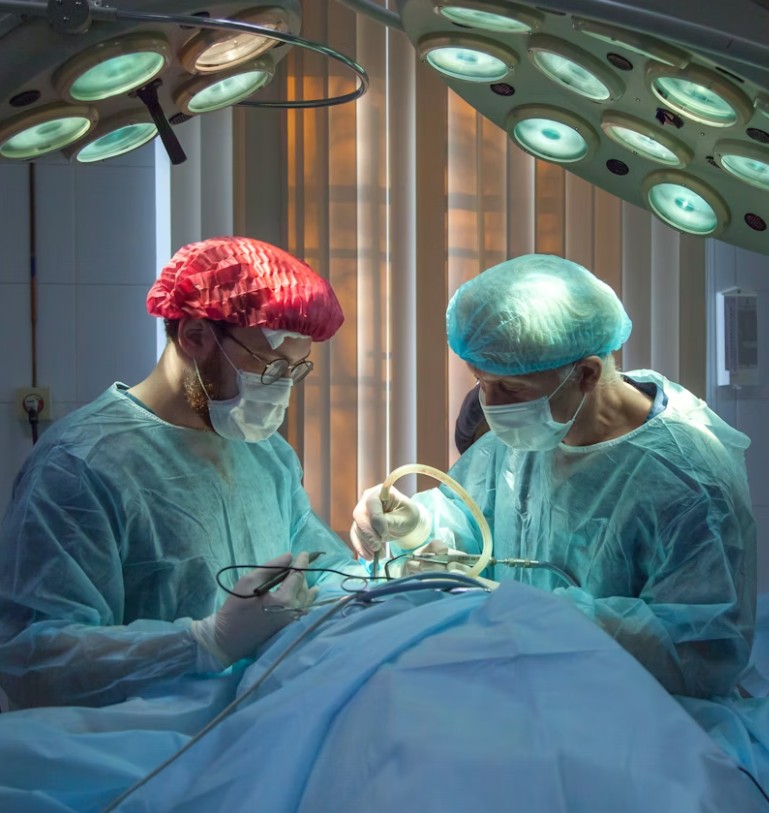
When you hear “brain surgery,” your mind probably jumps to something massive and complex with bright lights, hushed voices, and an intricate dance of instruments over something impossibly delicate. But what if the most important moment in that room is almost understated? Not a sweeping incision. Not a complex design. Just a small, perfectly measured circle.
That small circle is called a burr hole. It’s often the quiet beginning of a procedure that could relieve pressure, stop bleeding, or open a path to treat something deeper. In neurosurgery, access is everything. And sometimes, access starts with something no wider than a fingertip, created with intention, control, and extraordinary precision.
It is a specialized surgical tool used to create a small, round opening in the skull. It’s designed specifically for neurosurgery, not general orthopedic use, not standard drilling. Its job is to control access.
Modern systems, including high-torque options like a burr hole drill built for neurosurgical precision, are engineered to stop automatically once they pass through the skull bone. That automatic disengagement helps reduce the risk of penetrating deeper than intended.
Instruments used for this purpose have evolved significantly over time. Companies such as Phasor Health design drill systems that prioritize steady torque and controlled disengagement rather than raw speed. The emphasis tends to be on reliability, making sure the tool responds predictably when resistance changes. In neurosurgery, that kind of mechanical consistency can matter just as much as the surgeon’s technique.
A hole is created in brain surgery to provide safe, controlled access inside the skull when treatment is needed. In emergencies, it allows surgeons to quickly relieve dangerous pressure caused by bleeding or fluid buildup, which can compress the brain. In planned procedures, the opening may be used to insert pressure monitors, place shunts, remove clots, or introduce minimally invasive surgical tools.
Before drilling, imaging such as CT or MRI scans helps determine the precise location. After exposing the skull, the drill is applied with steady pressure to create a small opening. Modern drills are designed to disengage automatically once the skull is penetrated, helping prevent deeper injury. The result is a precise entry point that allows surgeons to treat the problem while minimizing disruption to surrounding bone and tissue.
Not every hole is created in an emergency. Many are part of carefully structured surgical plans where imaging, timing, and placement are mapped out well in advance.
Common planned uses include:
In each case, placement is deliberate. Imaging determines the location and angle before the machine is ever activated. Every millimeter is planned because precision guides everything in neurosurgery.
The skull varies in thickness depending on location and individual anatomy. Some areas are denser, while others are thinner. That variability makes mechanical safeguards critical.
Older manual methods relied heavily on tactile feedback, surgeons feeling the shift in resistance as the drill passed through bone. Modern machines add an extra layer of safety by disengaging automatically once penetration is complete.
It’s a quiet innovation, but an important one. In neurosurgery, small miscalculations can have serious consequences. Built-in depth control reduces variability in those first critical seconds.
Creating the opening is only the beginning. Depending on the condition being treated, surgeons may insert a catheter to drain fluid, remove clotted blood, place monitoring devices, or enlarge the opening for broader access.
Afterward, it may be covered with a small plate or left to heal naturally. Recovery depends largely on the underlying medical issue rather than the hole itself. The opening is small. The impact of what follows can be significant.
Advances in neurosurgery have focused on predictability. Better imaging. More ergonomic tools. Improved torque balance. Reduced vibration.
These drill systems now emphasize mechanical consistency, delivering steady rotational control without sudden shifts. These refinements may seem subtle, but they enhance stability during delicate procedures. When operating near structures responsible for speech, memory, and movement, precision isn’t optional, but fundamental.
This technology doesn’t headline the story of brain surgery. It doesn’t remove tumors or repair aneurysms. But it creates the controlled access that makes those procedures possible.
Behind that small circular opening lies careful planning, refined instrument design, and surgical expertise measured in millimeters. In many neurosurgical cases, everything that follows depends on how that first step is taken.
Sometimes the most important part of a complex operation begins with something small, deliberate, precise, and quietly essential.

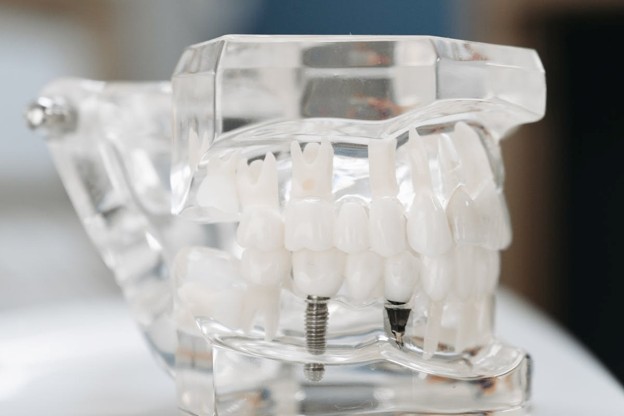
Nearly 3.5 million Americans receive dental implants annually, yet the average cost of $4,000 per implant keeps this life-changing treatment out of reach for many patients who need it most. …
Posted Mar 9, 2026 Dental Care Dentistry
Connecting innovation decision makers to authoritative information, institutions, people and insights.

Medigy accurately delivers healthcare and technology information, news and insight from around the world.
Medigy surfaces the world's best crowdsourced health tech offerings with social interactions and peer reviews.
© 2026 Netspective Foundation, Inc. All Rights Reserved.
Built on Apr 2, 2026 at 12:49pm