

Managing Editor
@ShahidNShah
@ShahidNShah
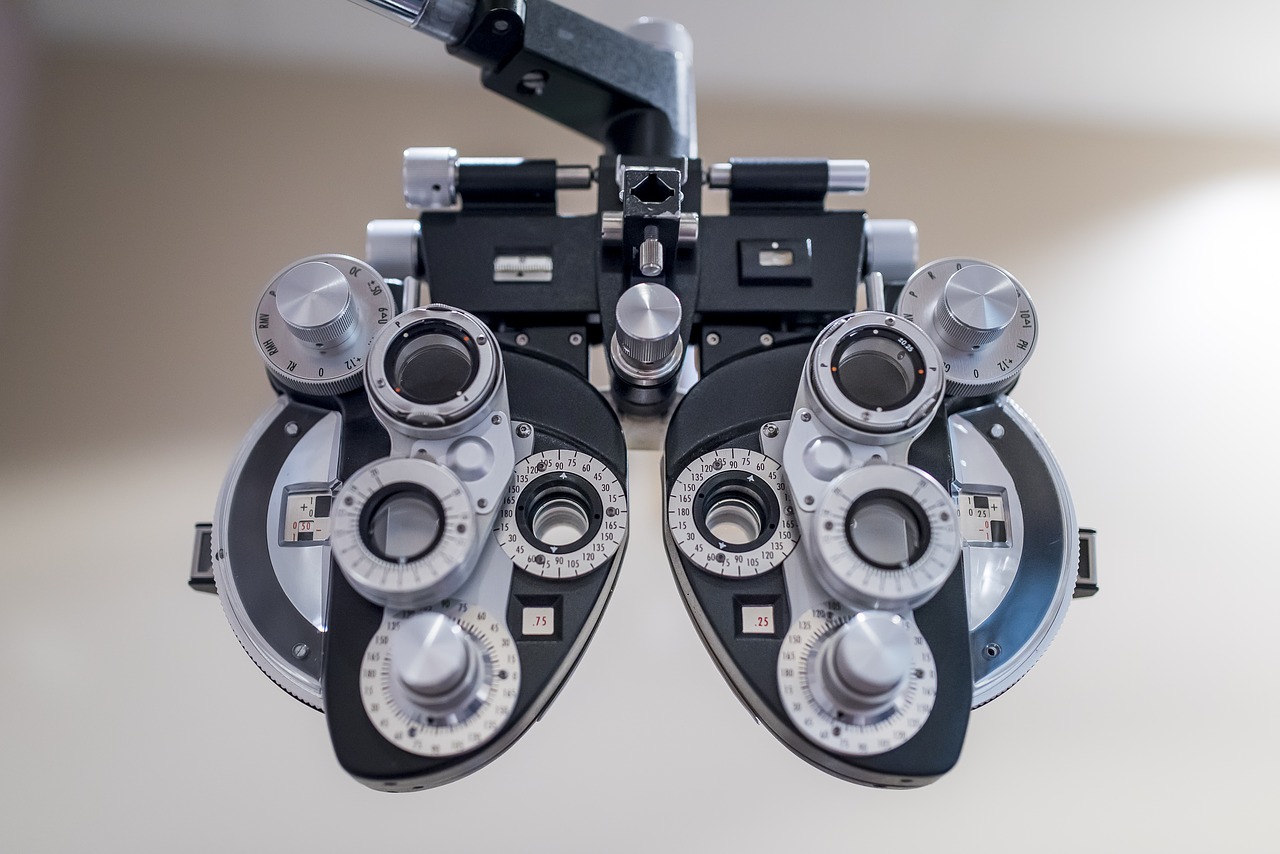
A visual field test checks how wide and sensitive your vision is, not just straight ahead, but to the sides, above, and below, too. This test is a key eye exam used by eye doctors in the USA to detect and monitor vision problems, including glaucoma, retinal issues, and neurological conditions.
Whether you are visiting an optometrist for routine care or have a specific eye concern, understanding the visual field test can help you take better care of your eye health.
A visual field test (also called perimetry) measures the full scope of what you can see with each eye when you look straight ahead. It checks your central vision (what is directly in front of you) and peripheral vision (what you see at the edges without moving your eyes).
When you focus on a point straight ahead, your vision stretches out to the sides. A visual field test identifies how far your vision reaches and whether there are blank areas or “blind spots” in that field. Detecting these problems early helps doctors treat diseases sooner and prevent further vision loss.
This test is crucial because many eye diseases start quietly without causing noticeable vision loss at first. A visual field exam can reveal problems before you feel them. Early detection allows for timely treatment and better outcomes.
Different types of visual field tests help doctors assess vision in specific ways. Below is a table showing the main types and what they measure:
| Test Name | What It Checks | How It Works |
| Confrontation Test | Basic peripheral awareness | The doctor moves their hands into side vision while you focus ahead. |
| Automated Static Perimetry | Detailed field map | You press a button when the lights appear in different areas. |
| Kinetic Perimetry (Goldmann) | Range of vision at edges | Lights or objects move toward the center. |
| Amsler Grid | Central vision check | Paper grid test looking for distortions. |
| Frequency Doubling Perimetry | Early nerve damage detection | Patterns flicker to test clues of damage. |
A visual field test is simple, painless, and non-invasive. There is no need for needles, injections, or recovery time.
Here’s what you can expect:
Because it is so easy, many doctors include this test annually for patients at risk of vision loss.
Your test results are usually given immediately or shortly after the exam. A trained eye doctor will read a printout or digital map that shows:
Your doctor will explain the results and discuss next steps — whether it’s monitoring, treatment, lifestyle changes, or more tests.
Anyone with symptoms or risk factors for eye disease should talk to their eye doctor about a visual field test. This includes people with:
Even if you feel your vision is normal, regular testing can catch problems early, especially for conditions that show symptoms late.
Is the test painful?
No. The visual field test only requires you to look at lights or objects and respond it does not hurt.
Do I need to prepare?
No specific preparation is required. Just follow your doctor’s advice.
How long does it take?
Each eye usually takes 5 to 10 minutes.
Do results change over time?
Yes. Repeating the test regularly helps track the progression of diseases like glaucoma.
A visual field test is a powerful tool in eye health care. It gives doctors valuable insight into your peripheral vision and detects early signs of serious conditions before you notice any symptoms.
For people in the USA seeking better eye health, annual comprehensive exams, including a visual field test, are strongly encouraged. Early detection leads to better outcomes and helps preserve vision for years to come.

If you’re dealing with consistent jaw pain, difficulty chewing, or suspect your wisdom teeth might be causing trouble, it’s important to contemplate consulting an oral and maxillofacial surgeon in …
Posted Feb 3, 2026 Dental Care Dentistry
Connecting innovation decision makers to authoritative information, institutions, people and insights.

Medigy accurately delivers healthcare and technology information, news and insight from around the world.
Medigy surfaces the world's best crowdsourced health tech offerings with social interactions and peer reviews.
© 2026 Netspective Foundation, Inc. All Rights Reserved.
Built on Apr 8, 2026 at 3:47am