

Managing Editor
@ShahidNShah
@ShahidNShah
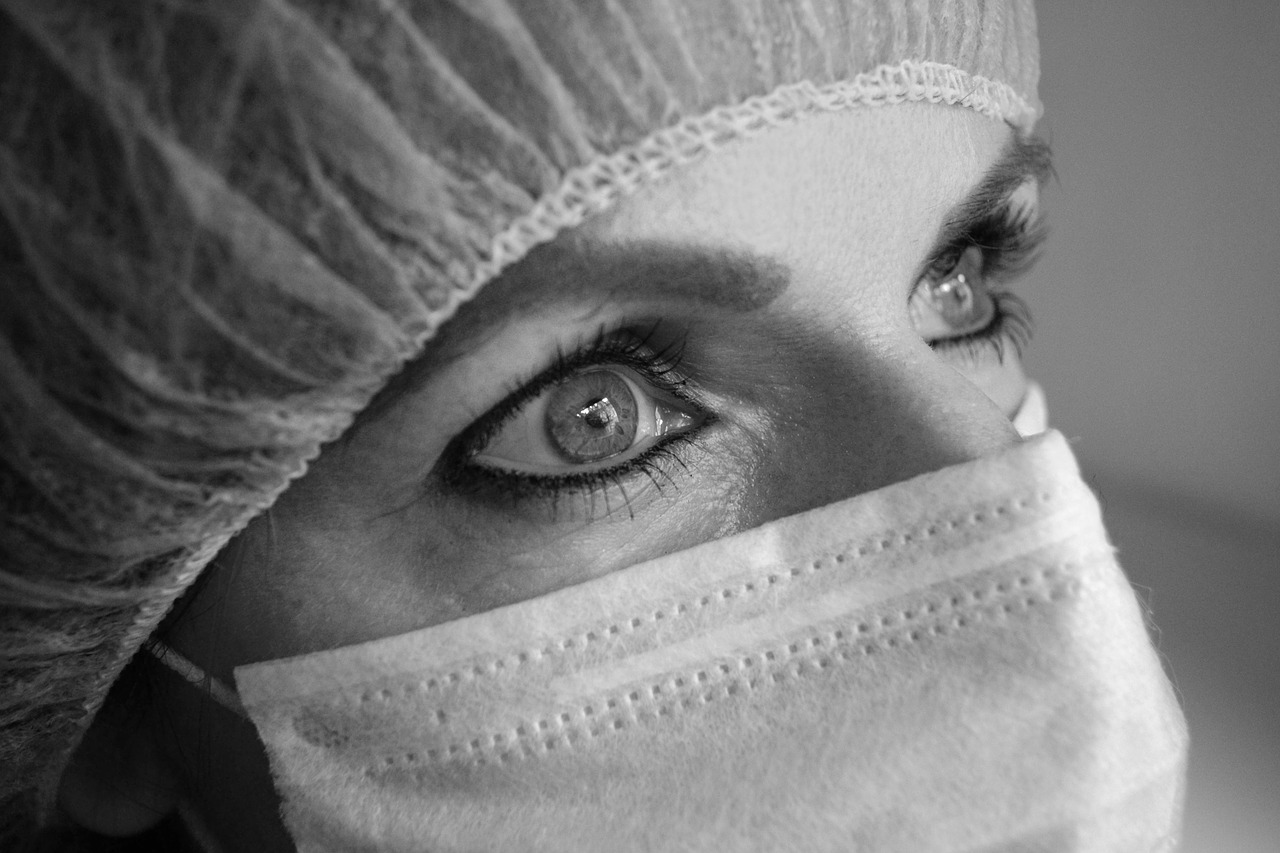
Ever feel like your eyes look exhausted even when you are not? You might be well-rested, energized, and feeling great, yet your reflection tells a different story. For many people, the culprit is not lack of sleep but the natural aging process around the eyes. Because the skin in this area is thinner and more delicate than the rest of the face, it is often the first place where signs of aging such as sagging eyelids, puffiness, and fine lines begin to appear.
In fact, these concerns are incredibly common. According to the American Society of Plastic Surgeons, eyelid surgery, also known as blepharoplasty, consistently ranks among the top five cosmetic surgical procedures performed each year. Hundreds of thousands of these procedures are carried out annually as people look for effective ways to refresh their appearance without dramatically changing their facial features.
This growing interest is evident in many cities, including Charlotte, where more people are researching cosmetic treatments for the eye area. However, one question often arises early in the process: should you consider upper blepharoplasty, lower blepharoplasty, or a combined procedure?
Understanding how each type of blepharoplasty works and what concerns it addresses is the first step toward determining which option may best suit your needs and aesthetic goals.
What Is Blepharoplasty?
Blepharoplasty is a surgical procedure that improves the appearance of the eyelids by removing or repositioning excess skin, muscle, and fat. It can be performed on the upper eyelids, lower eyelids, or both, depending on the individual’s concerns. The procedure is commonly used to address drooping eyelids, puffiness, and under-eye bags, helping create a smoother and more refreshed eye area. In some cases, it may also improve vision when sagging upper eyelid skin interferes with the line of sight.
Upper blepharoplasty focuses on correcting concerns that affect the upper eyelids. Over time, the skin above the eyes gradually loses elasticity, which can cause the eyelids to droop or appear heavy. This often creates a hooded look that may make the eyes seem tired or older than they feel. For individuals researching blepharoplasty in Charlotte, NC, upper eyelid surgery is often considered when excess skin begins to affect both appearance and comfort.
People commonly consider upper eyelid surgery when they experience:
To address sagging or puffiness above the eyes, upper eyelid surgery typically removes excess skin and adjusts fat deposits to create a smoother eyelid contour. Several clinics such as PPSD offer consultations that include a careful evaluation of eyelid structure and skin elasticity. This helps determine whether upper blepharoplasty may improve both eyelid appearance and visual comfort.
While upper eyelid concerns are common, many individuals struggle with changes beneath the eyes. Lower blepharoplasty specifically targets the area under the eyes where puffiness, bags, and loose skin often develop.
Several factors can contribute to under-eye concerns, including genetics, aging, and lifestyle habits. Fat that once helped support the eye area may shift or protrude forward, creating the appearance of bags or swelling.
Lower eyelid surgery may be recommended for individuals who notice:
During lower blepharoplasty, a surgeon may remove or reposition fat and tighten the surrounding skin to create a smoother transition between the lower eyelid and the cheek. This can significantly reduce the tired appearance that under-eye bags often create.
In many cases, aging affects both the upper and lower eyelids at the same time. Treating only one area may improve certain concerns, but it might not create the balanced results a patient hopes for. This is where combined blepharoplasty becomes an effective option.
A combined procedure addresses both the upper and lower eyelids in a single surgical session. It may be recommended for individuals who have:
By correcting multiple concerns at once, surgeons can create a more harmonious rejuvenation of the eye region. This approach often produces more comprehensive and natural-looking results.
Choosing between upper, lower, or combined blepharoplasty is rarely a one-size-fits-all decision. Several factors influence which procedure may be most appropriate.
Ultimately, the decision between upper, lower, or combined blepharoplasty depends on a combination of these factors. Considering personal goals, facial anatomy, age, skin elasticity, and recovery preferences can help guide a choice that balances functional improvement with natural-looking results.
Deciding between upper, lower, or combined blepharoplasty ultimately depends on the unique characteristics of each individual’s eyes. Upper eyelid surgery corrects sagging or hooded lids, lower eyelid surgery reduces under-eye bags and puffiness, and combined procedures address both areas for a more complete rejuvenation.
Understanding these differences allows individuals to make informed choices about their eye aesthetics. With careful evaluation and a clear understanding of the available options, patients can select the approach that aligns best with their concerns and desired outcomes.


Orthodontic treatment usually concentrates on fixing dental alignment and bite problems for teenagers, yet dental practitioners believe that early assessment will lead to better results. The practice …
Posted Mar 17, 2026 Dental Care Dentistry
Connecting innovation decision makers to authoritative information, institutions, people and insights.

Medigy accurately delivers healthcare and technology information, news and insight from around the world.
Medigy surfaces the world's best crowdsourced health tech offerings with social interactions and peer reviews.
© 2026 Netspective Foundation, Inc. All Rights Reserved.
Built on Apr 10, 2026 at 3:35am