

Managing Editor
@ShahidNShah
@ShahidNShah
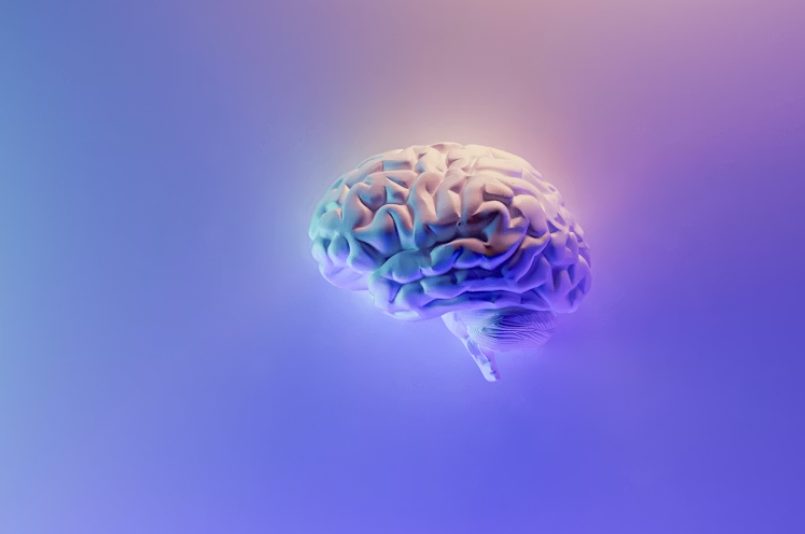
Traumatic brain injuries (TBIs) are often described as invisible injuries, yet their effects can be deeply disruptive. Unlike fractures or visible wounds, a brain injury may not show clear external signs, even though it can alter memory, emotions, behavior, and physical ability. For patients and families in Everett & beyond, this lack of visibility often leads to confusion, delayed diagnosis, and underestimation of long-term consequences.
Well, TBIs can occur suddenly—during a crash, fall, or impact—and their effects may unfold gradually over time. Symptoms that seem mild at first can evolve into persistent challenges, affecting work, relationships, and independence.
Hence, understanding how traumatic brain injuries happen, how they present, and how they can shape long-term outcomes is essential for informed medical care and realistic recovery planning. So, to gain a better clarity, dive into the article to know!
Traumatic brain injuries are caused by external forces that disrupt normal brain function. Motor vehicle accidents are among the most common sources, particularly when rapid acceleration or deceleration causes the brain to move forcefully within the skull. Falls—especially among older adults and children—are another leading cause, often resulting in direct impact or rotational injury.
Other causes include workplace accidents, sports injuries, pedestrian incidents, and physical assaults. Importantly, a TBI does not always require a direct blow to the head. Sudden movement alone can cause the brain to collide with the skull’s interior, leading to bruising, bleeding, or diffuse axonal injury. These internal injuries may not be immediately visible on standard imaging, which contributes to delayed recognition.
Well, remember that because TBIs frequently occur in preventable situations, accurate documentation becomes critical when injuries are linked to negligence. In such cases, patients and families may later seek clarity from a brain injury attorney in Everett to help connect medical findings with the original incident and ensure long-term care needs are properly addressed.
All in all, legal professionals who focus specifically on brain injury cases, such as Park Chenaur Injury Lawyers, regularly work alongside medical records and expert assessments to help families understand how an accident led to long-term neurological harm. So, this is a crucial step.
One of the defining challenges of traumatic brain injuries is symptom variability. Some individuals experience immediate signs such as confusion, loss of consciousness, or severe headache. Others develop symptoms gradually, sometimes days or weeks after the initial injury.
Physical symptoms may include persistent headaches, dizziness, nausea, fatigue, sensitivity to light or sound, and sleep disturbances. Cognitive symptoms often involve memory difficulties, reduced attention span, slower processing speed, and impaired decision-making. Emotional and behavioral changes—such as irritability, anxiety, depression, or personality shifts—are also common and frequently misunderstood.
Because these symptoms can overlap with stress, shock, or emotional trauma, TBIs are sometimes dismissed or misdiagnosed. Consistent medical follow-up and honest symptom reporting are essential, particularly when symptoms interfere with daily functioning or worsen over time.
The long-term effects of a traumatic brain injury depend on factors such as injury severity, location, age, and access to appropriate care. While some individuals recover with minimal lasting effects, others experience persistent challenges that reshape daily life.
Long-term impacts may include chronic pain, cognitive impairment, emotional regulation difficulties, and increased risk of neurological conditions such as seizures. Moderate to severe TBIs can limit independence, requiring ongoing rehabilitation, adaptive strategies, or caregiver support.
Work and financial stability are often affected as well. Individuals may struggle to return to previous roles due to reduced stamina, memory limitations, or difficulty managing complex tasks. These changes can place significant emotional and economic strain on families, particularly when recovery timelines are uncertain.
Because traumatic brain injuries are not always visible, thorough documentation plays a central role in both medical care and long-term planning. Medical records, imaging studies, neuropsychological evaluations, and treatment histories help establish the nature of the injury and its progression over time.
Moreover, recovery from a TBI often requires a multidisciplinary approach involving:
Education is equally important—patients who understand their limitations, pacing needs, and warning signs are better equipped to avoid setbacks and support recovery.
Long-term planning acknowledges that healing from a brain injury is rarely linear. Adjustments may be needed months or even years after the initial trauma, making early recognition and comprehensive documentation essential.
Traumatic brain injuries are complex conditions with effects that extend far beyond the moment of impact. From subtle cognitive changes to long-term functional limitations, TBIs can influence nearly every aspect of a person’s life.
Understanding how these injuries occur, recognizing symptoms early, and preparing for potential long-term challenges allows patients and families to make informed decisions. With proper medical evaluation, consistent documentation, and realistic planning, individuals affected by traumatic brain injuries can pursue care and support that reflects the true scope of their needs.


Healthcare is no longer limited to clinics, hospitals, or occasional checkups. Today, people in Brisbane & beyond actively engage with their health daily. They are tracking sleep, managing stress, …
Posted Dec 27, 2025 Fundamental Technologies Health Technology
Connecting innovation decision makers to authoritative information, institutions, people and insights.

Medigy accurately delivers healthcare and technology information, news and insight from around the world.
Medigy surfaces the world's best crowdsourced health tech offerings with social interactions and peer reviews.
© 2026 Netspective Foundation, Inc. All Rights Reserved.
Built on Apr 1, 2026 at 3:56am