

Managing Editor
@ShahidNShah
@ShahidNShah
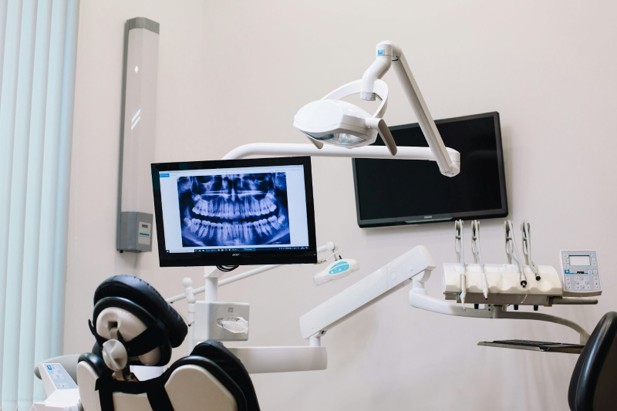
When it comes to oral surgery in Chicago, you’ve got a variety of options to address specific dental challenges. Whether it’s replacing missing teeth with dental implants or correcting a misaligned bite with corrective jaw surgery, oral surgeons provide customized treatments for effective outcomes. Preparation is key, from adjusting medications to following dietary guidelines, ensuring a smooth surgical experience. Curious about what’s best for you and how to navigate this journey?
When it comes to oral surgery procedures, you’re likely to encounter a variety of common options designed to address different dental issues. These procedures often involve advanced techniques performed by an advanced oral surgeon in Chicago to guarantee effective treatment and recovery. Common dental procedures include dental implants, which replace missing teeth with artificial roots anchored in the jawbone, offering durability and a natural appearance. Bone grafting is another critical technique, used to strengthen the jawbone, preparing it for implants or correcting bone loss. Additionally, corrective jaw surgery addresses misalignments, improving function and aesthetics. Each procedure is tailored to specific needs, ensuring ideal outcomes. Understanding these options helps you make informed decisions about your oral health, ensuring that you receive the best possible care.
When you’re preparing for wisdom tooth extraction in Chicago, understanding the procedure and typical recovery time is essential for smooth sailing. Be aware of potential risks like infection or nerve damage, and follow your dentist’s pre-extraction instructions carefully to minimize complications. By staying informed, you can guarantee a more comfortable and efficient experience.
Getting your wisdom teeth extracted can be a formidable prospect, but understanding the procedure and recovery time can put your mind at ease. The procedure duration typically ranges from 45 minutes to an hour, depending on the complexity of your case. You’ll be under local or general anesthesia, ensuring comfort throughout. After the extraction, postoperative healing is vital. You can expect initial swelling and discomfort for a few days. It is necessary to follow your oral surgeon’s instructions closely for ideal recovery. Most people resume normal activities within a week, but complete healing might take a few weeks. Adhering to recommended care, such as avoiding hard foods and practicing oral hygiene, will aid in a smooth recovery process.
Diving into the potential risks of wisdom tooth extraction can help you make informed decisions about the procedure. While it’s generally safe, being aware of potential complications and unexpected outcomes is essential. Here’s what you need to know:
Understanding these risks guarantees you’re better prepared and can discuss concerns with your oral surgeon.
Preparing for a wisdom tooth extraction involves several indispensable steps to guarantee a smooth procedure and recovery. First, consult with your oral surgeon to discuss your medical history and any medications you’re currently taking. This guarantees safe anesthetic administration tailored to your needs. Follow the surgeon’s instructions on fasting, usually required if you’re receiving general anesthesia. Arrange transportation, as you won’t be able to drive post-surgery.
On the day, wear comfortable clothing and avoid jewelry. Post-operative discomfort management is paramount, so discuss pain relief options with your surgeon ahead of time. Have ice packs ready at home to reduce swelling, and stock up on soft foods to ease your recovery. Adhering to these steps will help minimize complications and enhance your healing process.
Dental implants offer a reliable solution for restoring your smile and improving oral functionality. They’re a preferred choice for those seeking a permanent fix to tooth loss. The process involves dental implant placement, where a titanium post is surgically inserted into your jawbone, acting as a root for the replacement tooth. Understanding implant restoration options is vital for achieving the best results. Here’s what you need to examine:
Choosing dental implants is a step towards a confident, functional smile.
Corrective jaw surgery, often referred to as orthognathic surgery, can markedly enhance both function and aesthetics by realigning your bite. If you’re experiencing bite misalignment, it may lead to difficulties with chewing, speaking, or even breathing. This procedure involves precise jaw repositioning, ensuring that your upper and lower jaws fit together properly. The surgery is not just about improving your appearance; it can substantially impact your oral health and quality of life.
In Chicago, skilled surgeons use advanced techniques to assess and plan your surgery meticulously. They work closely with orthodontists to create a customized treatment plan tailored to your specific needs. By addressing bite misalignment, you can achieve improved function, reduced discomfort, and a balanced facial profile.
Begin your journey toward oral surgery, it is critical to comprehend the preparatory steps to verify a seamless experience and ideal outcomes. Proper preparation will help in managing discomfort and confirming a smooth procedure.
These steps validate a prepared and confident surgery experience.
After you’ve taken the necessary steps to prepare for oral surgery, understanding the recovery process is equally important for ideal healing. Pain management is indispensable. You’ll likely receive prescriptions for pain relief, but over-the-counter options may suffice. Use ice packs to reduce swelling and follow your surgeon’s instructions carefully. Rest is imperative; avoid strenuous activities.
Dietary recommendations will aid your recovery. Stick to soft foods like yogurt, applesauce, and mashed potatoes. Avoid hot, spicy, or crunchy foods that could irritate the surgical site. Stay hydrated, but avoid using straws to prevent complications.
Oral hygiene is essential, yet be gentle around the surgical area. Rinsing with a saltwater solution can aid healing. Always follow your oral surgeon’s guidance for a smooth recovery.
How do you guarantee that you’re choosing the right oral surgeon in Chicago? Start by finding qualified providers through referrals from your dentist or trusted friends. Evaluating credentials is indispensable. Here’s a concise checklist to help:
Cutting-edge facilities in Chicago are transforming the landscape of oral surgery, offering patients access to the latest advancements in technology and care. When you step into these state-of-the-art centers, you’re met with an environment designed to enhance both comfort and surgical outcomes. Equipped with cutting-edge technologies, such as 3D imaging and digital scanning, these facilities guarantee precise diagnostics and treatment planning.
Innovative techniques are at the forefront, integrating laser surgery and minimally invasive procedures that speed up recovery times and minimize discomfort. These advancements not only improve the quality of care but also provide you with more options tailored to individual needs. By choosing a facility with such capabilities, you’re assuring a higher standard of oral surgery care in Chicago.
Maneuvering the intricacies of cost considerations and insurance coverage is crucial when planning for oral surgery in Chicago. Understanding what your dental insurance coverage entails can drastically impact your financial planning.
Managing anxiety before oral surgery is vital for a smoother experience, and employing effective techniques can make a significant difference. You can start by practicing breathing techniques, which help reduce stress and steady your mind. Additionally, visualization and relaxation methods can further ease your nerves, allowing you to approach your procedure with calm and confidence.
Even though the anticipation of oral surgery can be formidable, employing effective breathing techniques can substantially ease anxiety. By focusing on mindfulness exercises, you can foster a sense of calm and control. Here’s how you can use deep breathing techniques to prepare:
These methods can effectively reduce anxiety before your procedure.
Visualization and relaxation methods can be powerful tools in alleviating pre-surgery anxiety. One effective approach is guided imagery. Picture yourself in a peaceful environment, such as a beach or forest, which can shift your focus away from anxiety. By engaging your senses, you create a mental escape that promotes calmness. Alongside guided imagery, progressive muscle relaxation is another technique to examine. Start by tensing each muscle group for a few seconds, then release, working from your toes to your head. This practice reduces physical tension and can help lower stress levels.
Incorporating these methods into your pre-surgery routine can make a significant difference. They not only prepare your mind but also relax your body, making the overall experience more manageable.
To guarantee your oral surgeon is board certified, research the surgeon’s credentials through the American Board of Oral and Maxillofacial Surgery’s website. Also, check online reviews for patient experiences and verify any certifications mentioned in their profile.
Yes, you can explore non-surgical treatments like conservative dental care approaches. Consider options such as orthodontic adjustments, medication, or physical therapy. Always consult your dentist to determine the best course tailored to your specific condition.
You might face anesthesia complications or post-operative infections as potential risks of oral surgery. It’s pivotal to discuss these with your surgeon, ensuring you’re informed about precautions and management strategies to minimize these risks effectively.
Oral surgery procedures usually last 30 minutes to a few hours, depending on complexity. Anesthesia administration affects duration. After surgery, your recovery timeline varies based on the procedure and personal healing, generally a few days to weeks.
Yes, your lifestyle factors like diet choices and dental hygiene habits can drastically impact oral surgery outcomes. Maintaining a balanced diet and consistent dental care boosts healing, diminishes complications, and guarantees exceptional results post-surgery.


If you’re considering the All-On-4 procedure in Charlotte, understanding your eligibility is essential for ideal outcomes. Your dentist will conduct a thorough evaluation, focusing on bone density and …
Posted Dec 10, 2025 Dental Care Dentistry
Connecting innovation decision makers to authoritative information, institutions, people and insights.

Medigy accurately delivers healthcare and technology information, news and insight from around the world.
Medigy surfaces the world's best crowdsourced health tech offerings with social interactions and peer reviews.
© 2026 Netspective Foundation, Inc. All Rights Reserved.
Built on Mar 27, 2026 at 3:45am