

Managing Editor
@ShahidNShah
@ShahidNShah
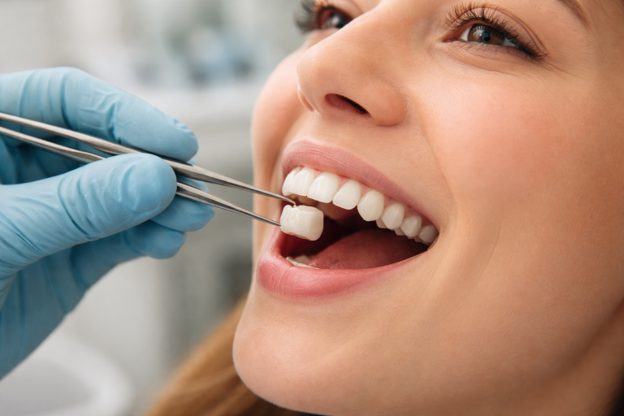
When a tooth gets damaged, weakened, or badly decayed, restoring its strength and appearance becomes essential—not just for your smile, but for your overall oral health. One of the most popular modern solutions is a ceramic teeth cap, also commonly known as a ceramic dental crown. These restorations are widely preferred because they look natural, feel comfortable, and provide strong protection for compromised teeth.
If your dentist has recommended a ceramic teeth cap or you’re exploring tooth restoration options, understanding how they work, their benefits, costs, and long-term care can help you make a confident decision. Let’s go through everything you should understand in a simple and practical manner.
A ceramic tooth cap is a specially designed cover that fits over a damaged or weakened tooth to restore its strength and appearance. It acts like a protective shell that restores the tooth’s shape, size, strength, and appearance. Once bonded into place, it fully encases the visible portion of the tooth above the gum line.
Dentists recommend ceramic crowns in several situations, including:
Ceramic crowns are especially popular for front teeth because they closely match the natural color and translucency of real enamel. Unlike metal crowns, they blend seamlessly into your smile, making them almost invisible.
When discussing dental crown types, ceramic crowns are just one option among several materials. Each type has unique characteristics, but ceramic stands out for its aesthetic appeal.
Here’s how ceramic compares with other common choices:
Metal crowns
These are extremely durable but highly visible, making them less desirable for front teeth. Many patients avoid them due to their metallic appearance.
Porcelain-fused-to-metal crowns
These combine strength and aesthetics but may show a dark line near the gums over time.
Zirconia crowns
Strong and natural-looking, but sometimes slightly more opaque than pure ceramic.
All-ceramic crowns
The best choice for a realistic appearance, especially for visible teeth.
For patients who care about both function and natural beauty, ceramic crowns often provide the best balance.
Many people feel nervous about dental procedures simply because they don’t know what to expect. Fortunately, getting a ceramic crown is a routine and straightforward process.
Your dentist first examines the tooth and may take X-rays to check its condition. If the tooth is decayed or damaged, it is cleaned and reshaped to make space for the crown.
A precise impression or 3D scan of your teeth is taken. This ensures the ceramic cap fits perfectly with your bite and surrounding teeth.
While your permanent crown is being fabricated in a dental lab, a temporary cap protects your tooth.
Once ready, the ceramic cap is cemented securely in place. Adjustments are made for comfort and bite alignment.
The entire process typically takes two visits, although some clinics offer same-day crowns using digital technology.
Ceramic crowns are widely preferred because they offer multiple advantages beyond just cosmetic improvement.
Ceramic reflects light similarly to natural enamel. This creates a realistic look that blends perfectly with surrounding teeth.
Ceramic is gentle on gums and rarely causes allergic reactions. It feels smooth and natural in the mouth.
Modern ceramic materials are surprisingly strong and can handle normal chewing forces for many years.
Unlike natural teeth, ceramic does not easily absorb stains from coffee, tea, or smoking.
Ceramic crowns require minimal removal of natural tooth material compared to some other restoration methods.
The cost of tooth caps varies widely depending on several factors. Ceramic crowns usually cost more than metal crowns but offer superior aesthetics.
Factors influencing the cost include:
While ceramic crowns may seem expensive initially, their durability and natural appearance often make them a worthwhile long-term investment.
With good oral hygiene and regular dental checkups, ceramic crowns typically last 10 to 15 years or even longer. Some patients keep them for decades without issues.
Their lifespan depends heavily on daily care habits. Grinding teeth, biting hard objects, or neglecting oral hygiene can shorten their durability.
Protecting the crown means protecting the tooth underneath—so proper maintenance is essential.
A ceramic crown protects the visible part of the tooth, but the underlying tooth and surrounding gums must remain healthy for long-term success.
Poor oral hygiene can lead to problems such as Plaque on Teeth, which can accumulate around the crown margins. If plaque is not removed, bacteria may cause decay near the crown edge or lead to gum inflammation.
Similarly, untreated gum problems can progress into Gum Recession. This may become necessary if the gums pull away from the tooth. Receding gums can expose crown edges, making them more vulnerable to damage or decay.
Maintaining gum health is just as important as protecting the crown itself.
Taking care of a ceramic crown is similar to caring for natural teeth, but with a little extra attention.
Use a soft-bristled toothbrush and fluoride toothpaste. Pay close attention to the gumline around the crown.
Flossing removes trapped food particles and prevents bacterial buildup near the crown margins.
Ice, hard candy, and pen-biting can crack ceramic.
Grinding creates pressure that can damage crowns over time.
Professional cleanings help remove hidden plaque and detect early issues.
Many patients share similar questions before choosing a ceramic tooth cap. Understanding these concerns can ease anxiety.
No. Modern ceramic crowns are designed to perfectly match surrounding teeth in color, shape, and shine.
Local anesthesia ensures comfort during preparation. Mild sensitivity afterward is normal but temporary.
They are strong but not indestructible. Avoid excessive force or hard objects.
After adjustment, most patients forget they even have a crown.
Ceramic crowns are suitable for many people, but they are especially recommended for:
However, individuals with severe teeth grinding or extremely heavy bite forces may require stronger materials in some cases.
While ceramic crowns are highly effective, no dental treatment is completely risk-free.
Possible concerns include:
Choosing an experienced dentist and maintaining proper oral hygiene significantly reduces these risks.
Tooth restoration is not just about appearance—it’s about preserving function and preventing further damage. A damaged tooth left untreated can worsen over time, leading to infection, pain, or even tooth loss.
A ceramic crown:
In many ways, it’s both a functional repair and a cosmetic upgrade.
A ceramic tooth cap is one of the most reliable and natural-looking solutions available in modern dentistry. Whether you need to restore a damaged tooth, protect a weakened one, or improve your smile’s appearance, ceramic crowns offer strength, comfort, and realism that few alternatives can match.
However, the success of any dental restoration depends not only on the procedure but also on long-term care. Managing Teeth Plaque, maintaining gum health, and addressing concerns like Gum Recession are essential for preserving both your crown and your natural teeth.
If you’re considering tooth restoration options, speaking with a qualified dentist will help you determine whether a ceramic tooth cap is the best choice for your specific needs. With proper care and regular checkups, this restoration can serve you beautifully for many years—protecting both your smile and your oral health.


Applied Behavior Analysis (ABA) behavioral therapy has gained broad recognition for its effectiveness in supporting individuals with behavioral challenges. This approach relies on principles rooted in …
Posted Feb 27, 2026 Behavioral Health
Connecting innovation decision makers to authoritative information, institutions, people and insights.

Medigy accurately delivers healthcare and technology information, news and insight from around the world.
Medigy surfaces the world's best crowdsourced health tech offerings with social interactions and peer reviews.
© 2026 Netspective Foundation, Inc. All Rights Reserved.
Built on Mar 27, 2026 at 12:44pm