

Managing Editor
@ShahidNShah
@ShahidNShah

The American Dental Association’s 2023 consumer survey revealed that nearly 80% of adults express dissatisfaction with their tooth color, yet only 15% pursue professional whitening treatments. This gap has created a booming market for at-home solutions, from Instagram-famous charcoal powders to drugstore strips promising Hollywood smiles. As social media amplifies appearance pressures and coffee culture continues its relentless march through American life, the demand for accessible whitening methods has never been higher.
What’s driving this surge isn’t just vanity — it’s practicality. Professional whitening can cost $300-800 per session, while effective home alternatives offer results for a fraction of that investment. For the millions of people whose teeth have yellowed from years of morning coffee, evening wine, or simply aging, understanding which home methods actually work — and which ones might damage enamel — has become essential knowledge.
The challenge lies in separating science from marketing hype. Between natural remedies passed down through generations and chemical innovations hitting pharmacy shelves monthly, navigating the options requires understanding how tooth discoloration actually occurs and what truly reverses it.
Tooth discoloration happens through two distinct pathways, and understanding the difference determines which whitening approach will work. Extrinsic stains form on the tooth’s surface when pigmented compounds from food, drinks, and tobacco bind to the enamel. Coffee’s tannins, red wine’s anthocyanins, and tobacco’s tar create these external layers of discoloration — the type most people notice developing gradually over years.
Intrinsic stains develop inside the tooth structure itself. These result from aging (as enamel naturally thins, revealing the yellowish dentin underneath), certain medications like tetracycline antibiotics, excessive fluoride exposure during tooth development, or trauma that affects the tooth’s nerve. Intrinsic discoloration explains why some people’s teeth appear gray or brown rather than yellow, and why their staining seems immune to surface-level treatments.
The urgency in addressing discoloration early lies in how these stains progress. Fresh surface stains from that daily latte remain relatively easy to remove with proper techniques. But given enough time, extrinsic stains penetrate deeper into the enamel’s microscopic pores, essentially becoming intrinsic. What starts as a surface problem requiring gentle intervention eventually demands stronger bleaching agents or professional treatment.
This progression accelerates with certain lifestyle factors. Acidic foods and drinks temporarily soften enamel, making it more porous and susceptible to stain penetration. Someone who drinks citrus juice in the morning followed by coffee faces a double hit — the acid opens the enamel’s structure, and the coffee’s pigments rush in to fill those spaces. Within months, what could have been addressed with whitening toothpaste requires bleaching treatments that many people find uncomfortable.
The window for effective home treatment narrows as stains mature. Recent research from dental schools shows that stains less than two years old respond dramatically better to at-home methods than older, embedded discoloration. This timeline creates a compelling case for addressing tooth color changes promptly rather than waiting until the problem becomes severe enough to warrant expensive professional intervention.
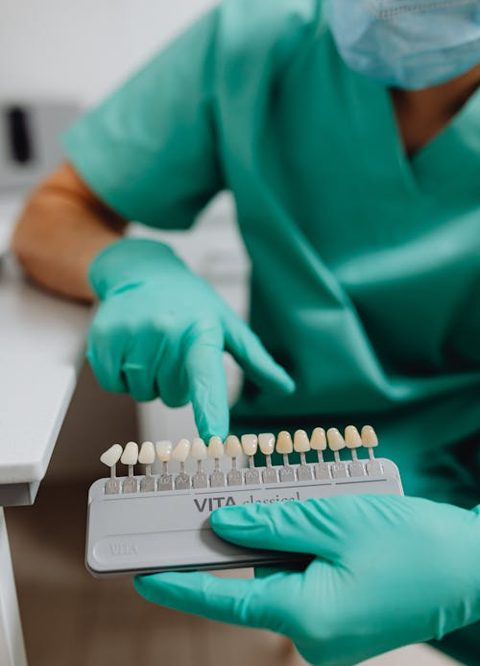
Teeth whitening operates through oxidation — the same chemical process that makes hydrogen peroxide bubble when it hits a wound. Whitening agents, primarily hydrogen peroxide or carbamide peroxide, break down into water and oxygen when they contact tooth enamel. These oxygen molecules penetrate the enamel’s porous structure and react with the organic compounds causing discoloration, breaking them into smaller, colorless fragments.
The enamel itself doesn’t change color — it’s naturally translucent. What we perceive as whitening happens when the oxidation process eliminates the pigmented molecules trapped within the enamel’s microscopic tubules. Think of it like bleaching a stained shirt: the fabric remains intact, but the stain molecules are chemically altered until they no longer absorb light in visible wavelengths.
Carbamide peroxide, found in most at-home products, breaks down more slowly than hydrogen peroxide, releasing active ingredients over several hours rather than minutes. This extended contact time makes it gentler for home use while still achieving significant results. A 10% carbamide peroxide gel provides roughly equivalent whitening power to 3.5% hydrogen peroxide, but with less immediate sensitivity.
Different stain types respond differently to this oxidation process. Yellow stains from coffee, tea, and aging typically lighten dramatically because they’re composed of organic compounds that readily break down under oxidation. Brown stains from tobacco or certain foods often require longer treatment periods but generally respond well. Gray stains, particularly those from intrinsic sources like medication or trauma, prove most resistant because they often involve metallic compounds or structural changes that oxidation cannot address.
The process also depends on enamel thickness and density. Thinner enamel allows whitening agents to penetrate more quickly, potentially causing sensitivity but also showing faster results. Thicker enamel takes longer to whiten but typically experiences less sensitivity. This explains why some people see dramatic results from their first whitening strip while others require weeks of consistent treatment to achieve noticeable changes.
Understanding these mechanisms helps set realistic expectations and choose appropriate methods. Someone with yellow coffee stains can expect excellent results from home whitening, while someone whose teeth appear gray from medication may need to adjust their goals or consider professional options that use higher concentrations of active ingredients.
Baking soda remains the most scientifically supported natural whitening agent, earning endorsement from dental professionals for its gentle abrasive properties and alkaline pH. Unlike commercial abrasives that can scratch enamel, baking soda’s crystalline structure breaks down during brushing, providing cleaning power without lasting damage. Studies published in the Journal of Clinical Dentistry demonstrate that baking soda-based toothpastes remove significantly more plaque and surface stains than standard formulations.
The key lies in proper application. Mixing baking soda with just enough water to form a paste creates the ideal consistency for stain removal without excessive abrasiveness. Using this mixture 2-3 times per week — not daily — allows for stain removal while giving enamel time to remineralize between treatments. Many people make the mistake of daily use, which can gradually wear away enamel and increase sensitivity.
Oil pulling with coconut oil has gained attention for its supposed whitening effects, though the mechanism differs from traditional whitening. The practice involves swishing coconut oil in the mouth for 10-15 minutes, which may reduce bacteria that contribute to plaque buildup and surface staining. While oil pulling won’t dramatically whiten teeth like chemical bleaching agents, it can help maintain brightness by preventing new stain accumulation.
Dietary approaches offer another natural avenue. Strawberries contain malic acid, which can help break down surface stains, though they also contain sugars that feed bacteria. The occasional strawberry-and-baking-soda paste might provide mild whitening benefits, but relying heavily on acidic fruits risks enamel erosion. For families seeking professional guidance on comprehensive oral health approaches, it’s worth the opportunity to visit a dentist in Oak Lawn who can assess whether natural methods align with individual dental health needs.
Whitening strips remain the gold standard among drugstore options because they deliver controlled amounts of hydrogen peroxide or carbamide peroxide directly to tooth surfaces. Quality strips from established brands typically contain 6-10% hydrogen peroxide, providing noticeable results within a week of daily use. The adhesive backing ensures consistent contact time, usually 30 minutes, allowing the bleaching agent sufficient opportunity to penetrate enamel.
The main limitation of strips involves uneven coverage. Teeth with irregular surfaces, crowding, or prominent grooves may not receive uniform whitening, leading to patchy results. Additionally, the standard strip size doesn’t accommodate all mouth shapes, potentially leaving back teeth untreated or causing gum irritation if the strips shift during use.
Whitening gels in custom trays offer superior coverage and control. Many pharmacies now sell kit systems where you create impressions of your teeth at home, then receive custom-fitted trays designed to hold whitening gel against all tooth surfaces evenly. These systems typically use 10-22% carbamide peroxide, stronger than strips but applied for longer periods — often overnight — to achieve gradual, comfortable whitening.
Whitening toothpastes work differently than bleaching products, relying on mild abrasives and enzymes to remove surface stains rather than chemically altering discoloration. They’re excellent for maintaining results from other whitening treatments but shouldn’t be expected to dramatically change tooth color on their own. The American Dental Association’s Seal of Acceptance helps identify toothpastes that effectively remove stains without excessive enamel wear.
Whitening mouthwashes typically contain very low concentrations of hydrogen peroxide — usually under 2% — making them gentle enough for daily use but unlikely to produce dramatic results. They’re best viewed as maintenance products that help prevent new stains from setting while freshening breath and supporting overall oral hygiene.
Whitening sensitivity occurs when bleaching agents penetrate enamel and reach the dentin layer, which contains microscopic tubules leading directly to the tooth’s nerve. The oxidation process that removes stains temporarily opens these tubules wider, allowing temperature changes and other stimuli to reach nerve endings more easily. This explains why sensitivity often peaks 24-48 hours after treatment and gradually subsides as the tubules naturally close.
People with naturally thin enamel, existing small cavities, or gum recession experience heightened sensitivity because bleaching agents can more easily reach nerve pathways. Recent dental work, including cleanings that remove protective plaque buildup, can also temporarily increase susceptibility. Understanding these risk factors helps predict who might need modified treatment approaches.
Managing sensitivity starts with treatment modification rather than medication. Reducing application time by half during the first few treatments allows teeth to adjust gradually. Using products with lower peroxide concentrations or switching to carbamide peroxide formulations that release active ingredients more slowly can maintain whitening progress while minimizing discomfort.
Timing treatments strategically also helps. Applying whitening products in the evening, followed by fluoride toothpaste before bed, gives teeth overnight to recover while fluoride helps seal tubules. Avoiding very hot or cold foods and drinks for several hours after treatment prevents triggering newly opened nerve pathways.
For persistent sensitivity, potassium nitrate-containing products can provide relief. Many whitening brands now offer desensitizing gels designed to be applied before or after bleaching treatments. These work by blocking nerve transmission in the tubules, similar to how sensitivity toothpastes function but with higher concentrations for faster relief.
Overuse represents the most damaging mistake people make with whitening products. The desire for faster results leads many to exceed recommended treatment schedules, applying products daily when instructions call for every-other-day use, or leaving strips on for extended periods. This aggressive approach can cause permanent enamel damage, severe sensitivity, and paradoxically, a translucent appearance that makes teeth look grayish rather than white.
Whitening immediately after acidic food or drink consumption compounds potential damage. Acids temporarily soften enamel, making it more vulnerable to the additional chemical stress of bleaching agents. Waiting at least an hour after consuming citrus, soda, or wine before applying whitening products allows saliva to neutralize acids and enamel to reharden.
Using multiple whitening products simultaneously seems logical but often creates unpredictable chemical interactions. Combining whitening toothpaste, strips, and rinses can deliver excessive peroxide concentrations that overwhelm the teeth’s ability to handle chemical stress. Sticking to one primary whitening method while using supporting products designed to work together produces safer, more predictable results.
Many people ignore existing dental problems while pursuing whitening, not realizing that untreated cavities or gum disease can worsen dramatically when exposed to bleaching agents. Peroxide can penetrate cavities and reach nerve tissue directly, causing excruciating pain and potentially requiring emergency dental treatment. Similarly, inflamed gums become severely irritated by whitening products, sometimes leading to tissue damage that takes weeks to heal.
Inconsistent application patterns undermine results and waste money. Starting and stopping treatments randomly prevents the cumulative effect that produces noticeable whitening. Most products require consistent use over 7-14 days to achieve their intended results, with maintenance treatments every few months to preserve brightness.
The most effective whitening maintenance happens between treatments rather than during them. Strategic timing of stain-causing activities can dramatically extend results without requiring dietary elimination. Drinking coffee, tea, or wine through straws reduces contact time with teeth, while consuming staining foods during meals rather than as isolated snacks allows saliva production to neutralize acids and rinse away pigments naturally.
Immediate post-consumption habits make the difference between stains that rinse away and those that penetrate enamel. Swishing with water after drinking coffee or eating berries helps remove surface deposits before they bond to teeth. Chewing sugar-free gum stimulates saliva production, which naturally cleanses teeth and neutralizes the acids that make enamel more susceptible to staining.
The “white diet” approach during active whitening treatments — avoiding pigmented foods and drinks for 48 hours after bleaching — helps newly opened enamel pores close without accumulating fresh stains. While this temporary restriction requires planning, it significantly improves treatment outcomes and extends the time between whitening sessions.
Professional cleanings every six months remove accumulated stains that home care cannot address, essentially resetting the whitening baseline. Dental hygienists can eliminate tartar buildup that makes teeth appear yellow and polish away surface stains that haven’t yet penetrated enamel. Many people find they need fewer whitening treatments when they maintain consistent professional cleaning schedules.
Nighttime oral care deserves particular attention for whitening maintenance. Using fluoride toothpaste before bed helps remineralize enamel and seal tubules that whitening treatments may have opened. Electric toothbrushes remove more plaque than manual brushing, preventing the bacterial buildup that contributes to surface staining and enamel damage.
The reality is that maintaining bright teeth requires viewing whitening as one component of comprehensive oral care rather than a standalone solution. People who achieve lasting results typically combine periodic whitening treatments with daily habits that prevent new stains while supporting overall dental health. This integrated approach not only preserves whitening investments but often reduces the frequency and intensity of future treatments needed to maintain desired results.

Functional assessments are critical components of neuropsychological services. These assessments gauge the impact of cognitive functions on daily life. These assessments help individualize strategies …
Posted Mar 28, 2026 Neurology
Connecting innovation decision makers to authoritative information, institutions, people and insights.

Medigy accurately delivers healthcare and technology information, news and insight from around the world.
Medigy surfaces the world's best crowdsourced health tech offerings with social interactions and peer reviews.
© 2026 Netspective Foundation, Inc. All Rights Reserved.
Built on Mar 30, 2026 at 4:48pm