

Managing Editor
@ShahidNShah
@ShahidNShah
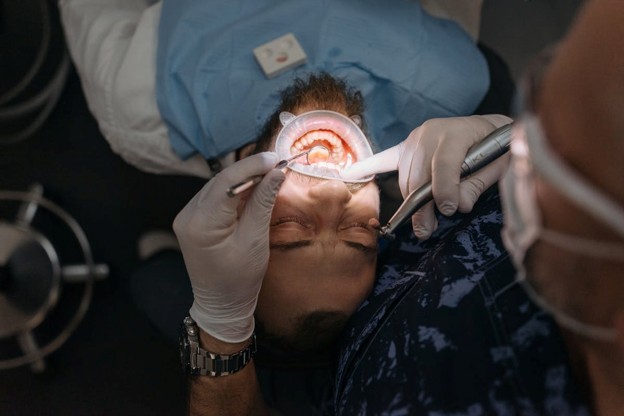
The average American will have three dental fillings in their lifetime—yet 73% of patients report being surprised by the final cost of their dental work, according to the American Dental Association’s 2024 Consumer Survey. With dental care costs rising 5.1% annually and insurance coverage becoming more restrictive, understanding your options for affordable dental fillings has never been more financially critical.
This isn’t just about choosing between silver and white fillings anymore. Today’s dental landscape includes bioactive materials, nanotechnology-enhanced composites, and ceramic options that can last decades—each with dramatically different cost implications. The decision you make in the dentist’s chair affects not just your immediate budget, but your long-term oral health expenses.
The stakes are particularly high because the wrong filling choice often leads to premature replacement. Research from the Journal of Dental Research shows that patients who receive inappropriate filling materials for their specific cavity type face 40% higher replacement costs over ten years. Yet most patients make these decisions with incomplete information about how different filling types perform in various situations.
Here’s what you need to know about dental filling options, their real-world costs, and how to navigate the financial aspects of modern restorative dentistry.
Dental fillings restore the structure and function of teeth damaged by decay, essentially replacing the diseased tooth material with a biocompatible substitute. When bacteria produce acids that create cavities in your tooth enamel, the dentist removes this decayed tissue and fills the resulting space with a restorative material that bonds to the remaining healthy tooth structure.
The filling process involves more than simply plugging a hole. Modern dental fillings must integrate with your tooth’s natural biomechanics—handling the tremendous forces generated during chewing (up to 200 pounds per square inch for molars) while maintaining a seal against bacterial infiltration. The material choice affects how well the filling distributes these forces and how long it maintains its integrity.
Different filling materials achieve this restoration through varying mechanisms. Some, like amalgam, rely on mechanical retention—the filling material locks into the prepared cavity space. Others, like composite resins, use chemical bonding that actually adheres to the tooth structure at a molecular level. This fundamental difference in how fillings stay in place influences everything from the amount of healthy tooth structure that must be removed to the filling’s longevity.
The effectiveness of any filling depends on proper tooth preparation, moisture control during placement, and the material’s compatibility with your specific oral environment. Factors like your bite pattern, saliva composition, and even dietary habits affect how different filling materials perform over time. Understanding these interactions helps explain why the same filling material might last fifteen years in one patient and need replacement after five in another.
The five primary filling materials each serve specific clinical situations, with distinct advantages that make them optimal for different types of cavities and patient needs. Understanding when each material excels helps explain the cost variations you’ll encounter.
Amalgam fillings remain the workhorse for large cavities in posterior teeth, particularly molars that experience heavy chewing forces. These silver-colored fillings combine mercury with metals like tin, copper, and silver to create an extremely durable material that can withstand decades of use. Dentists typically choose amalgam for cavities below the gum line, extensive restorations involving multiple tooth surfaces, and patients with high cavity rates where longevity outweighs aesthetics.
Composite resin fillings have revolutionized restorative dentistry by providing tooth-colored restorations that bond chemically to tooth structure. These materials work best for small to medium cavities in visible areas, front teeth, and situations where preserving natural tooth structure is critical. The bonding process allows dentists to use more conservative cavity preparations, saving healthy tooth material that would need removal for amalgam retention.
Gold fillings, while less common today, represent the premium option for patients seeking maximum longevity. Dentists recommend gold for patients who clench or grind their teeth, have large restorations that need exceptional durability, or want a filling material with the longest track record of success. Gold’s biocompatibility and thermal properties closely match natural tooth structure.
Porcelain inlays and onlays serve as the middle ground between fillings and crowns, custom-fabricated in dental laboratories for precise fit and optimal aesthetics. These restorations work best for larger cavities that compromise significant tooth structure but don’t require full crown coverage. The laboratory fabrication process allows for superior marginal fit and strength compared to direct placement materials.
Glass ionomer fillings excel in specific situations where fluoride release benefits patient health. Dentists often choose this material for root surface cavities in older patients, areas with high decay risk, or temporary restorations. While not as strong as other options, glass ionomer’s ability to release fluoride over time provides ongoing protection against further decay.
Dental filling costs reflect a complex interplay of material expenses, procedural complexity, geographic factors, and practice overhead—creating significant variations even within the same city. Understanding these cost drivers helps you make informed decisions about your dental care.
Material costs form the foundation of filling pricing, but they’re not always proportional to patient charges. While amalgam materials cost practices around $15-25 per filling, composite resins run $30-60, and laboratory-fabricated porcelain can exceed $200 in materials alone. However, the final patient cost reflects much more than raw material expenses.
Procedural complexity often outweighs material costs in determining final pricing. A small, single-surface cavity filled with composite might take 30 minutes and cost $150-250, while a large, multi-surface restoration requiring careful layering technique, extended isolation, and precise finishing can take 90 minutes and cost $400-600 with the same material. The time, skill, and attention required drive these cost differences more than the actual composite resin used.
Geographic variations create dramatic cost differences across regions. Metropolitan areas like New York or San Francisco see average composite filling costs of $300-500, while similar procedures in rural areas might cost $150-250. These variations reflect local overhead costs, rent, laboratory fees, and regional wage scales rather than differences in material quality or dental expertise.
Insurance contracts significantly influence pricing structures, though not always in patients’ favor. Many dental practices adjust their fees based on insurance reimbursement rates, which can create artificial pricing tiers. A practice might charge $180 for an amalgam filling to match insurance coverage, but $320 for composite resin because insurance classifies it as an “upgrade” with patient responsibility for the difference.
Practice overhead factors include equipment costs, staff wages, continuing education, and facility expenses that vary considerably between practices. A practice investing in advanced microscopy, digital workflow, and specialized training typically charges more but may deliver superior results and longer-lasting restorations that provide better long-term value.
Dental insurance operates differently from medical insurance, functioning more like a discount plan with annual maximums that haven’t increased significantly since the 1970s. Most plans provide $1,000-2,000 in annual coverage—an amount that covered comprehensive dental care decades ago but now barely addresses major restorative work.
Coverage percentages typically follow a tiered structure: 80-100% for amalgam fillings, 60-80% for composite resins on posterior teeth, and 50% or less for premium materials like gold or porcelain. Insurance companies justify these tiers by classifying tooth-colored fillings in back teeth as “cosmetic upgrades,” despite composite resin’s clinical advantages in many situations. This creates out-of-pocket costs of $50-150 for basic fillings and $200-400 for premium restorations.
Pre-authorization requirements for expensive restorations can delay treatment while insurance reviews clinical necessity. Plans often require dentists to submit X-rays, photos, and detailed justifications for materials exceeding basic coverage levels. This process can take 2-4 weeks, during which cavities may enlarge and require more extensive treatment.
Annual maximum limitations become critical factors for patients needing multiple fillings. Since most plans cap benefits at $1,500-2,000 annually, patients requiring extensive restorative work often face difficult decisions about treatment timing and material choices. Some spread treatment across calendar years to maximize insurance benefits, though this approach risks cavity progression.
Alternative financing options have expanded significantly as dental costs outpaced insurance coverage. Many practices offer payment plans, third-party financing through companies like CareCredit, or membership plans for uninsured patients. Some employers now offer supplemental dental coverage or Health Savings Account options that provide more flexibility for dental expenses.
The key to navigating dental insurance lies in understanding your specific plan’s limitations and working with your dental team to maximize benefits while prioritizing clinically appropriate treatment. Sometimes the “covered” option isn’t the most cost-effective long-term choice when replacement frequency is considered.
Current research is revolutionizing dental filling materials through nanotechnology, bioactive compounds, and smart materials that respond to oral environment changes. These innovations promise to extend filling lifespan while reducing long-term costs, though initial implementation often carries premium pricing.
Bioactive filling materials represent the most significant advancement in restorative dentistry since composite resin introduction. These materials actively participate in the remineralization process, releasing calcium, phosphate, and fluoride ions that strengthen surrounding tooth structure. Studies from the University of Maryland show bioactive fillings reduce secondary decay by 45% compared to traditional materials, potentially extending restoration life from 8-12 years to 15-20 years.
Nanotechnology enhancements have improved composite resin properties dramatically. Nano-filled composites demonstrate 60% better wear resistance and 40% improved strength compared to conventional composites, according to research published in Dental Materials journal. These improvements translate to longer-lasting restorations, particularly in high-stress areas like molars, though material costs currently run 25-40% higher than standard composites.
Smart materials research focuses on fillings that adapt to oral environment changes. Temperature-sensitive materials expand and contract with natural tooth structure, reducing microleakage that leads to filling failure. pH-responsive materials increase fluoride release when acid levels rise, providing enhanced protection during high-risk periods. While still in development phases, these materials could dramatically reduce filling replacement rates.
3D printing technology is transforming how dental restorations are fabricated, particularly for indirect restorations like inlays and onlays. Chair-side milling systems can now fabricate ceramic restorations in single appointments, eliminating temporary fillings and multiple visits. This technology reduces laboratory costs and appointment time while improving restoration fit and patient convenience.
Cost implications of these innovations vary considerably. While advanced materials often carry 20-50% higher initial costs, their improved longevity and reduced failure rates can provide superior long-term value. However, insurance coverage for premium materials remains limited, placing the financial burden on patients who must weigh upfront costs against potential long-term savings.
The longevity of dental fillings depends heavily on patient behaviors and maintenance practices that extend well beyond basic brushing and flossing. Understanding how daily choices affect filling durability can significantly impact your long-term dental costs.
Dietary considerations play a crucial role in filling longevity, particularly for composite and glass ionomer materials. Frequent consumption of acidic foods and beverages—including citrus fruits, wine, and carbonated drinks—can weaken the bond between filling materials and tooth structure. The pH cycling that occurs throughout the day affects different materials differently: composite resins show increased wear in acidic environments, while glass ionomer actually releases more protective fluoride.
Mechanical stress management becomes critical for patients who clench or grind their teeth. Night grinding can generate forces exceeding 600 pounds per square inch, well beyond what most filling materials can withstand long-term. Patients with bruxism often see filling failures within 2-3 years compared to 8-12 years in patients without grinding habits. Custom night guards, while requiring initial investment of $200-500, can extend filling life dramatically and prevent the need for more extensive restorations.
Oral hygiene optimization for filled teeth requires attention to specific vulnerability points. The margin where filling meets tooth represents the highest risk area for new decay development. Fluoride toothpaste, interdental cleaning devices, and antimicrobial mouth rinses provide additional protection, particularly for patients with multiple restorations or dry mouth conditions that increase decay risk.
Regular professional maintenance extends beyond routine cleanings to include assessment of filling integrity and early intervention for minor problems. Dental professionals can polish composite restorations to maintain surface smoothness, apply protective sealants around filling margins, and detect early signs of failure before complete replacement becomes necessary. Research shows that patients who maintain six-month recall intervals experience 30% fewer filling replacements compared to those who delay routine care.
Lifestyle factors including smoking, medication use, and systemic health conditions significantly impact filling success rates. Smoking reduces blood flow to oral tissues and impairs healing, leading to higher failure rates for all restoration types. Medications causing dry mouth create environments conducive to decay around existing fillings. Understanding these risk factors helps patients and dentists make appropriate material choices and develop protective strategies.
Several persistent myths about dental filling costs lead patients to make decisions based on incomplete or inaccurate information, often resulting in higher long-term expenses and poorer outcomes.
The “cheapest option is most economical” misconception overlooks the total cost of ownership for dental restorations. While amalgam fillings typically cost 30-50% less initially than composite alternatives, this comparison ignores longevity differences, replacement costs, and the value of preserving natural tooth structure. A $120 amalgam filling that requires replacement every 8-10 years may cost more over a lifetime than a $200 composite that lasts 12-15 years, especially when considering the additional tooth structure removal required for each amalgam replacement.
Insurance coverage myths create particularly problematic decision-making frameworks. Many patients believe that insurance-covered treatments are automatically superior or that premium materials lack clinical justification. In reality, insurance coverage often reflects cost-containment strategies rather than clinical excellence. The classification of tooth-colored fillings as “cosmetic” in posterior teeth ignores their superior bonding properties and conservative cavity preparation requirements.
Material safety concerns persist despite extensive research confirming the safety of modern dental materials. Fears about mercury in amalgam fillings, while understandable, have been thoroughly investigated by the FDA, American Dental Association, and World Health Organization, all concluding that amalgam poses no health risks for the vast majority of patients. These concerns sometimes drive patients toward more expensive alternatives when amalgam would provide superior clinical outcomes.
The “all dentists charge the same” assumption leads to poor treatment planning and unexpected costs. Dental fees vary significantly based on practice location, overhead costs, expertise level, and treatment philosophy. A practice investing heavily in continuing education, advanced equipment, and premium materials typically charges more but may provide superior results that reduce long-term costs through improved longevity and fewer complications.
Size and complexity underestimation causes many patients to be surprised by filling costs that exceed their expectations. A cavity that appears small from the surface often extends deeper into tooth structure, requiring more extensive restoration than initially apparent. Multi-surface fillings, proximity to nerve tissue, and the need for specialized techniques significantly impact both time requirements and costs, factors that aren’t always apparent during initial examination.
Understanding these realities helps patients make informed decisions about their dental care, weighing immediate costs against long-term value while avoiding the false economies that often lead to more expensive problems down the road. The most cost-effective approach typically involves choosing appropriate materials for specific clinical situations rather than defaulting to the lowest initial cost option.

The American Academy of Cosmetic Dentistry reports that 96% of adults believe an attractive smile makes them more appealing, yet only 57% are satisfied with their current smile. This disconnect has …
Posted Feb 27, 2026 Dental Care Dentistry
Connecting innovation decision makers to authoritative information, institutions, people and insights.

Medigy accurately delivers healthcare and technology information, news and insight from around the world.
Medigy surfaces the world's best crowdsourced health tech offerings with social interactions and peer reviews.
© 2026 Netspective Foundation, Inc. All Rights Reserved.
Built on Mar 25, 2026 at 1:20pm