

Managing Editor
@ShahidNShah
@ShahidNShah

Most people think losing teeth is a cosmetic problem. Missing teeth affect your smile. They change how you look. Beyond appearance, life continues normally.
This assumption is dangerously incomplete.
Research increasingly connects tooth loss to serious systemic health conditions. Cardiovascular disease, diabetes complications, nutritional deficiencies, and cognitive decline all correlate with missing teeth. The mouth is not separate from the body. It is a window into overall health.
Yet tooth loss remains remarkably common among New Zealand adults. By age 65, a significant percentage have lost multiple teeth. Many have lost all of them. The health consequences extend far beyond difficulty chewing.
This guide explores the connection between tooth loss and broader health outcomes. We examine what causes tooth loss, how it affects overall wellbeing, and what restoration options exist for people already affected.
Understanding causes helps prevent further loss and guides treatment decisions. Several factors contribute to tooth loss across different populations.
Periodontal disease remains the leading cause of tooth loss in adults. This bacterial infection destroys the gum tissue and bone supporting teeth. Teeth loosen gradually as their foundations deteriorate beneath the surface.
The progression is often painless until advanced stages. People lose significant bone support before symptoms become obvious. Regular dental monitoring catches periodontal disease when intervention still prevents tooth loss.
Decay left untreated eventually destroys teeth beyond restoration. What begins as a small cavity progresses through the tooth structure over time. Eventually the damage becomes too extensive for fillings or crowns to repair.
Trauma from accidents or injuries causes sudden tooth loss at any age. Sports injuries, falls, and vehicle accidents knock teeth out without warning. Some traumatic losses are preventable through protective equipment.
Medical conditions and their treatments contribute to tooth loss indirectly. Diabetes increases periodontal disease risk significantly. Cancer treatments including radiation and chemotherapy affect oral tissues. Medications reducing saliva flow accelerate decay.
Smoking dramatically increases tooth loss risk through multiple mechanisms. It impairs blood flow to gum tissue, masks infection symptoms, and slows healing. Smokers lose teeth at significantly higher rates than non-smokers.
Socioeconomic factors influence tooth loss through access barriers. Cost prevents regular dental visits for many New Zealanders. Delayed treatment allows preventable problems to progress beyond saving.
Tooth loss triggers a cascade of health effects extending well beyond the mouth. These consequences develop gradually and often go unrecognised until significant damage has occurred.
Missing teeth fundamentally change what people can eat. Hard foods like raw vegetables, nuts, and lean meats become difficult or impossible to chew. These foods provide essential nutrients that alternatives may not supply.
People with missing teeth gravitate toward softer processed foods. White bread replaces whole grains. Processed meats replace fresh cuts. Cooked vegetables replace raw ones. Each substitution reduces nutritional quality.
Fibre intake drops significantly when chewing ability declines. Protein consumption decreases as tough meats become unmanageable. Vitamin and mineral intake falls as fruit and vegetable variety narrows.
These nutritional shifts affect health outcomes measurably over time. Deficiencies develop slowly but compound progressively. The connection between tooth loss and malnutrition in older adults is well established in research.
Research links tooth loss to increased cardiovascular disease risk consistently. The relationship operates through several mechanisms that researchers continue investigating.
Chronic oral infection associated with periodontal disease introduces bacteria into the bloodstream. These bacteria contribute to arterial inflammation and plaque formation. The same disease causing tooth loss simultaneously damages cardiovascular systems.
Nutritional changes following tooth loss may independently increase heart disease risk. Diets higher in processed foods and lower in fresh produce affect cholesterol and inflammation markers. Dietary shifts compound the direct infection pathway.
Emerging research connects tooth loss to accelerated cognitive decline and dementia risk. Studies show correlation between number of missing teeth and cognitive test performance.
Chewing itself appears to support brain blood flow and cognitive function. Reduced chewing activity from tooth loss may decrease cerebral stimulation. This reduction potentially contributes to cognitive deterioration over time.
Chronic inflammation from oral disease may also affect brain health directly. Inflammatory markers associated with periodontal disease appear in brain tissue studies. The oral-systemic connection extends further than previously understood.
Tooth loss affects psychological wellbeing profoundly. Self-consciousness about appearance reduces social participation. Avoiding smiling, laughing, and conversation isolates people from connections they need.
Difficulty eating in social settings creates embarrassment many people manage by withdrawal. Dinner invitations get declined. Restaurant outings feel stressful. Social eating becomes an obstacle rather than a pleasure.
Speech changes from missing teeth affect professional confidence. Whistling sounds, slurred words, and altered pronunciation undermine communication. Professional interactions suffer when people feel self-conscious speaking.
Depression correlates with tooth loss across multiple studies. Whether tooth loss causes depression directly or both share common causes, the association is significant. Addressing tooth loss often improves psychological wellbeing noticeably.
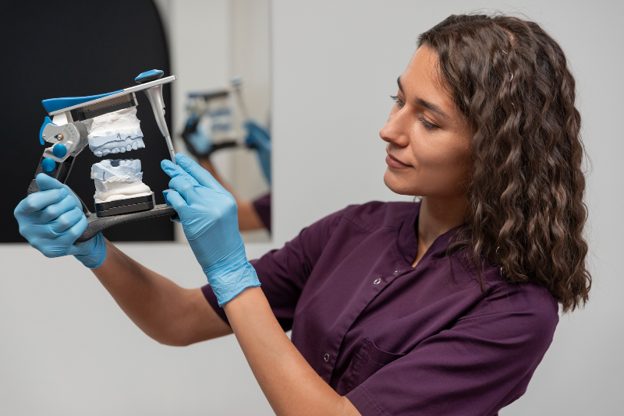
(Source)
Modern dentistry offers several approaches to replacing missing teeth. Each carries distinct advantages depending on individual circumstances. Understanding options enables informed decision-making.
Implants replace individual teeth by anchoring artificial crowns to titanium posts embedded in jawbone. They look, feel, and function most like natural teeth. Implants preserve jawbone that would otherwise deteriorate after tooth loss.
However, implants require sufficient bone density for placement. Not everyone qualifies without additional procedures. Cost places implants beyond reach for many patients. Treatment timelines extend across several months.
Bridges span gaps by anchoring artificial teeth to adjacent natural teeth. They restore appearance and function for small gaps effectively. Treatment completes faster than implant placement.
Bridges require modifying healthy adjacent teeth for anchoring. This compromise affects otherwise sound tooth structure. Bridges also do not prevent bone loss beneath the artificial tooth.
For patients who have lost all or most teeth, full dentures restore comprehensive function and appearance. Modern dentures bear little resemblance to the bulky uncomfortable appliances of previous generations.
Quality full dentures in Auckland are custom crafted to match individual facial structure and aesthetic preferences. Advanced materials create natural-looking results that restore confidence. Proper fitting ensures comfort and functional chewing ability.
Full dentures address the nutritional consequences of tooth loss directly. Restored chewing ability expands dietary options significantly. Patients regain access to foods they had eliminated due to inability to chew.
Speech improves when dentures replace missing teeth and restore proper oral structure. Tongue and lip positioning normalises against tooth surfaces. Communication confidence returns alongside physical capability.
Social confidence rebuilds as appearance concerns resolve. Smiling becomes comfortable again. Social eating loses its stress. The psychological burden of missing teeth lifts noticeably.
Modern dentures offer options previous generations never had. Implant-supported dentures combine implant stability with denture coverage. These hybrid approaches provide enhanced retention without full implant costs.
Regular adjustments maintain optimal fit as oral tissues change over time. Jawbone remodelling continues after tooth loss regardless of denture use. Periodic relining ensures continued comfort and function.
Whether you have lost some teeth or none yet, prevention deserves priority attention. Protecting remaining natural teeth avoids the health consequences discussed throughout this guide.
Regular dental visits catch problems while intervention remains simple. Professional cleaning removes deposits that home care misses. Examination identifies early disease before it threatens teeth.
Consistent home care protects teeth between dental visits. Brushing twice daily and flossing removes bacteria before it causes damage. These simple habits prevent the majority of tooth loss.
Smoking cessation dramatically reduces tooth loss risk immediately. Gum tissue health begins improving within weeks of quitting. This single change provides significant protective benefit.
Diabetes management reduces periodontal disease risk substantially. Blood sugar control directly affects oral tissue health. Coordinated medical and dental care produces better outcomes.
Nutritional choices support oral health alongside general wellbeing. Calcium and vitamin D maintain jawbone density. Limiting sugar reduces decay risk. Whole foods provide nutrients supporting tissue health.
Tooth loss is not an inevitable consequence of aging. Prevention works when applied consistently. Treatment restores function when prevention was not enough.
If you have already lost teeth, do not accept diminished health as unavoidable. Restoration options exist for every situation. The health benefits of restoring dental function extend throughout your body.
Consult with dental professionals about your specific circumstances. Assessment reveals your options and guides appropriate treatment choices. Modern dentistry offers solutions our parents never had access to.
Your oral health connects directly to your overall health. Protecting your teeth protects your body. Restoring missing teeth restores more than your smile. It restores your capacity for nutrition, social connection, and confident daily living.
Take the first step by scheduling an assessment. Your health deserves that much attention.

A visual field testchecks how wide and sensitive your vision is, not just straight ahead, but to the sides, above, and below, too. This test is a key eye exam used by eye doctors in the USA to detect …
Posted Feb 3, 2026 Ophthalmology
Connecting innovation decision makers to authoritative information, institutions, people and insights.

Medigy accurately delivers healthcare and technology information, news and insight from around the world.
Medigy surfaces the world's best crowdsourced health tech offerings with social interactions and peer reviews.
© 2026 Netspective Foundation, Inc. All Rights Reserved.
Built on Apr 8, 2026 at 3:47am