

Managing Editor
@ShahidNShah
@ShahidNShah
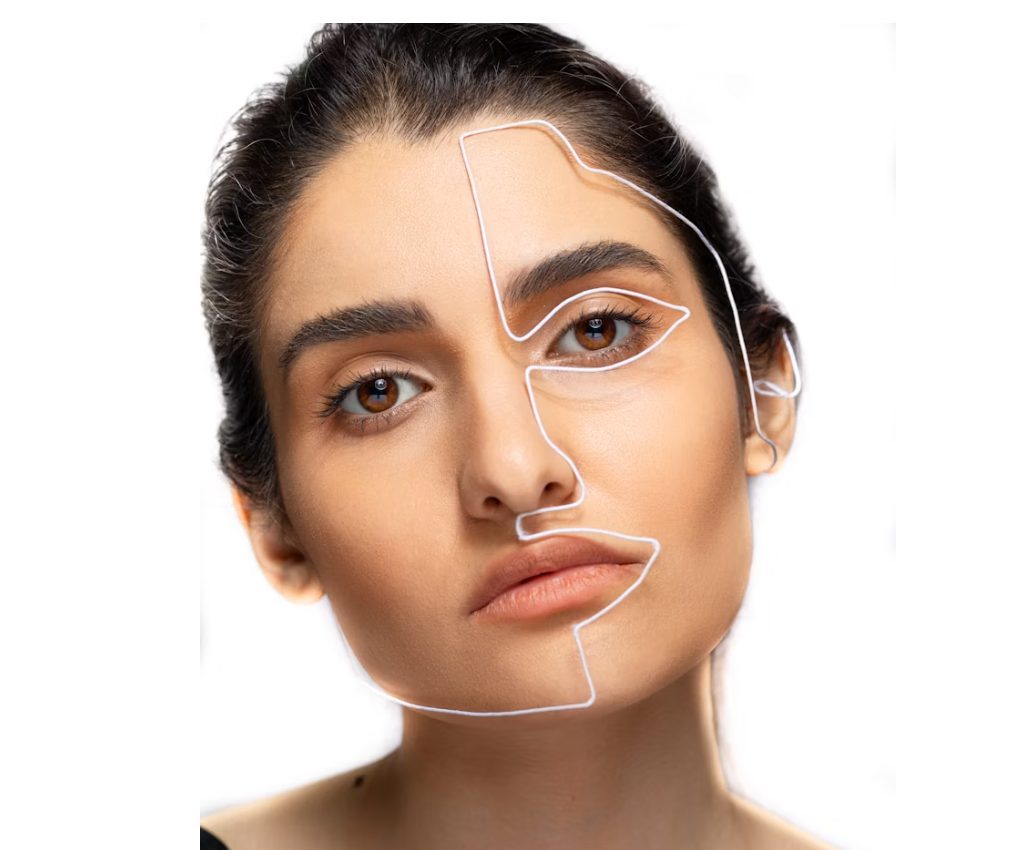
Skin ageing is often presented as a problem that can be solved with the right jar of cream. The biology is more complicated. Collagen structure changes over time, the skin barrier can become less resilient, and cumulative ultraviolet exposure contributes to visible lines, uneven pigmentation and loss of elasticity.
Some topical ingredients can improve the appearance and function of skin. Others are supported mainly by marketing. Understanding the difference makes it easier to build a routine without expecting a cosmetic product to reverse every biological change.
When comparing products from brands such as Kimball Cosmetics, it helps to look beyond the phrase ‘anti-ageing’ and ask which ingredient is being used, at what concentration, and for which outcome. Formulation and tolerability matter as much as the headline ingredient.
Sunlight contributes to photoageing through processes including oxidative stress and changes to collagen. Broad-spectrum sunscreen, shade and protective clothing can reduce further UV damage. No antioxidant serum is a substitute for sun protection.
Topical retinoids influence skin-cell behaviour and can improve some signs of photoageing with regular use. Prescription tretinoin has a stronger clinical evidence base than many over-the-counter cosmetic claims. Results take time, irritation is common early on, and retinoids are generally avoided during pregnancy.
Vitamin C is involved in collagen biology and acts as an antioxidant, but performance varies between products. Stability, packaging and formulation affect whether an ingredient remains useful. A product listing vitamin C is not automatically equivalent to one evaluated in a clinical study.
Humectants such as glycerin and hyaluronic acid can improve hydration, while moisturisers reduce water loss. Well-hydrated skin may look smoother and fine lines may be less noticeable. That is valuable, but it is different from replacing lost facial volume or reversing deep structural wrinkles.
Skin imaging and digital tracking can document changes in pigmentation or texture under standardised conditions. Consumer apps and AI skin-age estimates, however, vary in reliability and should not be treated as diagnoses or proof that a product works.
Look for studies on the finished product rather than just one ingredient, consider the size and duration of any trial, and check whether the measured outcome matches the advertised benefit. Before-and-after photos can be affected by lighting and camera settings.
A practical approach combines sun protection, a tolerable moisturiser and targeted actives when appropriate. Skin will continue to age. Good skincare can support its health and improve certain visible changes without pretending to stop time.


A specialist appointment is not considered ready until the clinic has verified that the necessary records for the visit are available. Although a confirmed slot informs you of the patient’s …
Posted Oct 13, 2026 Healthcare
Connecting innovation decision makers to authoritative information, institutions, people and insights.

Medigy accurately delivers healthcare and technology information, news and insight from around the world.
Medigy surfaces the world's best crowdsourced health tech offerings with social interactions and peer reviews.
© 2026 Netspective Foundation, Inc. All Rights Reserved.
Built on Oct 14, 2026 at 6:06pm