

Managing Editor
@ShahidNShah
@ShahidNShah

Many people want to refresh their appearance without committing to surgery, and modern dermatology offers several science-backed options to make that possible. Non-surgical facial rejuvenation focuses on supporting the skin’s natural repair processes rather than forcing dramatic changes. Understanding how these treatments work helps you set realistic expectations and choose smarter strategies.
From injectables to energy-based technologies and regenerative methods, today’s solutions aim to improve skin quality gradually. When you know what happens beneath the surface, you can approach facial rejuvenation with more confidence and long-term thinking.
As the years go by, your skin gradually produces less collagen and elastin, which are the proteins responsible for firmness and flexibility. You may first notice this through fine lines or slight sagging. Over time, structural support weakens, making the skin look thinner and less resilient, even if your overall health remains solid.
Skin cells also take longer to renew themselves, which directly affects how fresh and radiant your complexion appears. When younger, your body replaces damaged cells quickly, keeping your skin smooth. Later in life, this process slows down. This is why treatments that stimulate regeneration, including options like PRP therapy, attract attention for encouraging natural repair responses.
Inflammation and oxidative stress play a surprisingly big role in how quickly visible aging develops. Everyday factors like pollution, sun exposure, and even poor sleep habits can increase free radical activity. These molecules damage skin cells and weaken protective barriers. Over time, cumulative stress makes skin look dull, uneven, and more prone to wrinkles.
Hormonal fluctuations influence skin thickness, hydration, and oil production more than most people realize. For instance, lower estrogen levels often reduce collagen synthesis, which leads to dryness and loss of elasticity. Understanding these biological shifts helps practitioners recommend treatments that work with your body’s natural rhythms instead of simply masking surface-level concerns.
Injectable treatments often focus on restoring volume that gradually disappears from key facial areas. Cheeks, temples, and under-eye regions tend to hollow with age, creating shadows and altering facial proportions. Dermal fillers help rebalance these structures, which can make the face appear more rested. The science revolves around structural support rather than dramatic transformation.
Muscle activity also influences wrinkle formation over time. Repeated facial expressions like squinting or frowning create lines that eventually remain visible even at rest. Neuromodulators help relax targeted muscles, allowing the overlying skin to smooth out. This approach does not freeze expression completely but rather softens the intensity of repetitive movement patterns.
Hydration within the skin’s deeper layers contributes to elasticity and luminosity. Some injectable formulations attract and retain water molecules, improving tissue quality from within. Patients often describe this effect as a subtle glow rather than a drastic change. Supporting the extracellular matrix helps the skin maintain structure while still feeling flexible and natural.
Biostimulation represents a more gradual form of rejuvenation that encourages the body to produce its own collagen. Instead of immediate volume, these treatments work over weeks or months. The delayed response may require patience, yet many appreciate the progressive improvements. This method aligns with the broader trend toward natural-looking outcomes and long-term maintenance strategies.
Energy-based devices rely on controlled thermal stimulation to trigger collagen contraction and renewal. Radiofrequency treatments gently heat deeper skin layers, which encourages tightening without surgical intervention. Many people appreciate that these sessions usually involve minimal downtime. The body’s healing response gradually improves firmness, making results appear more organic and less abrupt.
Laser technologies create micro-injuries that activate the skin’s natural repair mechanisms. While the idea may sound intense, the controlled nature of these treatments allows practitioners to target specific concerns like pigmentation or texture irregularities. As new collagen forms, the skin surface becomes smoother. Precision settings ensure the treatment suits individual tolerance and goals.
Ultrasound-based systems reach deeper tissue planes that traditional treatments cannot easily access. By delivering focused energy below the skin’s surface, these devices stimulate structural lifting effects. This approach works particularly well for jawline definition or mild sagging. Patients often value the non-invasive aspect, especially when they want noticeable improvement without surgical recovery.
Customization plays a central role in achieving safe and effective outcomes with energy-based procedures. Practitioners adjust intensity, depth, and treatment frequency based on skin thickness, age, and lifestyle factors. This tailored strategy helps reduce unnecessary irritation while maximizing benefits. The ability to fine-tune parameters makes these technologies versatile tools within modern rejuvenation plans.
Microneedling has gained popularity because it uses the body’s own healing cascade to improve skin quality. Tiny punctures stimulate collagen production and increase absorption of topical products. The procedure sounds intimidating at first, yet most patients tolerate it well. Gradual improvement in texture and tone often encourages repeat sessions as part of maintenance routines.
Platelet-derived growth factors represent a fascinating area of regenerative dermatology. These proteins help coordinate tissue repair and cellular communication after injury. When applied strategically, they may support faster recovery and enhance overall treatment outcomes. This science-driven approach appeals to individuals who prefer solutions grounded in biological processes rather than purely cosmetic adjustments.
Combining different non-surgical methods often produces stronger results than relying on a single intervention. For instance, pairing resurfacing treatments with injectables can address both texture and volume concerns simultaneously. Practitioners design combination protocols to complement each technique’s strengths. This integrated mindset reflects a shift toward comprehensive rejuvenation rather than isolated procedures.
Recovery optimization has become a priority as more people seek subtle enhancements that fit into busy schedules. Shorter downtime, targeted aftercare, and gradual treatment plans allow individuals to maintain normal routines. Modern protocols focus on reducing inflammation while supporting regeneration. These strategies make advanced dermatological treatments more accessible and less disruptive to daily life.
Lifestyle choices shape how effectively any rejuvenation treatment performs over time. Consistent sleep, balanced nutrition, and stress management all influence cellular repair and collagen preservation. People often underestimate how hydration and regular exercise support skin vitality. Maintaining these habits helps extend treatment benefits and reduces the need for frequent corrective procedures.
Scientific skincare ingredients provide another layer of support between professional sessions. Retinoids, peptides, and antioxidants help improve texture, stimulate renewal, and defend against environmental stressors. Using targeted products consistently often makes a noticeable difference. This proactive approach allows individuals to take an active role in preserving their skin’s health and appearance.
Preventive treatments focus on addressing early signs of aging before they become deeply established. Starting mild interventions at the right time can delay more aggressive procedures later. Many practitioners now emphasize education about timing rather than simply reacting to visible concerns. Thoughtful prevention aligns well with modern preferences for subtle, gradual aesthetic improvements.
Personalized planning ties all these strategies together into a sustainable routine. Skin type, genetic factors, occupation, and even climate influence how the face ages. By tailoring treatment schedules and home care recommendations, professionals create long-term rejuvenation roadmaps. This individualized perspective ensures that results remain consistent while adapting to changing needs over the years.
Non-surgical facial rejuvenation works best when you view it as an ongoing process instead of a quick fix. Treatments that stimulate collagen, improve hydration, and support cellular renewal can deliver meaningful results over time. When combined with healthy habits and consistent skincare, these approaches help maintain a refreshed, natural look. A thoughtful, personalized plan ensures that improvements feel balanced, sustainable, and aligned with your evolving aesthetic goals.

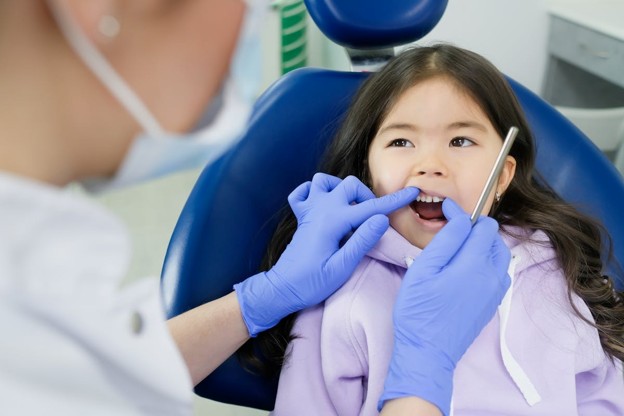
According to the American Academy of Pediatric Dentistry’s 2024 guidelines, dental anxiety affects approximately 20% of children and often becomes a self-perpetuating cycle — the more anxious a …
Posted Mar 25, 2026 Dental Care Dentistry
Connecting innovation decision makers to authoritative information, institutions, people and insights.

Medigy accurately delivers healthcare and technology information, news and insight from around the world.
Medigy surfaces the world's best crowdsourced health tech offerings with social interactions and peer reviews.
© 2026 Netspective Foundation, Inc. All Rights Reserved.
Built on Mar 26, 2026 at 3:36pm