

Managing Editor
@ShahidNShah
@ShahidNShah
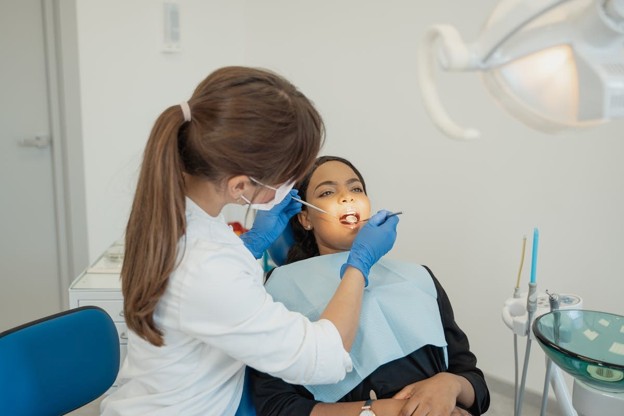
A recent survey by the American Academy of Cosmetic Dentistry revealed that 96% of adults believe an attractive smile makes a person more appealing—yet over 80% of Americans are dissatisfied with their tooth color. This dissatisfaction has fueled a $7.4 billion global teeth whitening market, with consumers spending billions annually on everything from professional treatments to DIY solutions promising Hollywood-white results.
The challenge isn’t just cosmetic anymore. In our image-conscious digital age, where video calls dominate professional interactions and social media amplifies first impressions, tooth discoloration can impact confidence and career prospects. But here’s what most people don’t realize: not all whitening methods work the same way, and choosing the wrong approach for your specific type of staining can waste money, damage enamel, or leave you disappointed with minimal results. Choosing a trusted option for teeth whitening in Colonia can help ensure your treatment is both safe and effective, tailored to your unique dental needs.
Understanding how different whitening options actually work—from the chemical mechanisms to the trade-offs between convenience and effectiveness—isn’t just about getting whiter teeth. It’s about making an informed decision that protects your oral health while delivering the results you’re seeking. Let’s examine what the science and dental professionals reveal about today’s whitening landscape.
Teeth whitening refers to any process that lightens tooth color by removing stains and discoloration from the tooth surface and interior. Unlike cleaning, which removes surface debris and plaque, whitening chemically alters the tooth structure to reduce the appearance of embedded stains and natural yellowing that occurs over time.
Tooth discoloration happens through two primary mechanisms. Extrinsic stains develop on the tooth surface from external sources like coffee, wine, tobacco, and certain foods. These surface-level stains often respond well to regular cleaning and mild whitening treatments. Intrinsic stains penetrate deeper into the tooth’s dentin layer, caused by factors like aging, certain medications (particularly tetracycline antibiotics), excessive fluoride exposure, or trauma to the tooth. These deeper stains typically require stronger whitening agents or professional intervention to achieve noticeable improvement.
The distinction between cosmetic and therapeutic whitening matters more than most people realize. Cosmetic whitening focuses on improving appearance by lightening natural tooth color or removing lifestyle-related stains. Therapeutic whitening, however, addresses discoloration that impacts oral health or function—such as staining that makes it difficult to detect early signs of decay or other dental issues during examination.
Most adults experience some degree of tooth yellowing as they age. The outer enamel layer gradually thins, allowing the naturally yellow dentin underneath to show through more prominently. This natural aging process, combined with decades of exposure to staining substances, explains why tooth whitening has become increasingly popular among adults seeking to restore a more youthful appearance to their smile.
The science behind teeth whitening centers on oxidation reactions that break down stain molecules within tooth structure. When whitening agents contact stained areas, they release oxygen molecules that penetrate the tooth’s porous enamel and dentin layers. These oxygen molecules react with the organic compounds responsible for discoloration, breaking them into smaller, colorless fragments that no longer absorb light in ways that create visible staining.
Hydrogen peroxide serves as the primary active ingredient in most effective whitening treatments, typically ranging from 3% concentration in over-the-counter products to 35% in professional dental office treatments. When hydrogen peroxide breaks down, it releases oxygen radicals that target chromophore molecules—the specific compounds that give stains their color. The higher the concentration, the more aggressive and rapid the whitening process becomes.
Carbamide peroxide offers an alternative that releases hydrogen peroxide more slowly and gently. Found in many at-home treatments, carbamide peroxide contains about one-third the strength of hydrogen peroxide but maintains activity over longer periods. A 10% carbamide peroxide gel, for example, releases approximately 3.5% hydrogen peroxide over several hours, making it suitable for overnight treatments with lower sensitivity risks.
Other agents like sodium bicarbonate (baking soda) and activated charcoal work through different mechanisms. Baking soda provides mild abrasive action that removes surface stains without chemical bleaching, while activated charcoal’s porous structure supposedly absorbs stain molecules—though scientific evidence supporting charcoal’s whitening effectiveness remains limited compared to peroxide-based treatments.
The whitening process temporarily increases tooth porosity, making enamel more susceptible to staining and sensitivity during and immediately after treatment. Research published in the Journal of Conservative Dentistry shows that hydrogen peroxide can cause microscopic changes to enamel surface roughness, though these changes typically reverse within 24-48 hours as tooth structure remineralizes.
Enamel demineralization occurs when whitening agents temporarily soften the tooth surface by removing calcium and phosphate ions. This process is generally reversible, but frequent or aggressive whitening can potentially weaken enamel over time. Professional treatments often include fluoride applications or remineralizing agents to counteract these temporary effects and strengthen teeth post-treatment.
Understanding these chemical mechanisms explains why timing and frequency matter significantly in whitening protocols. The enamel needs recovery time between treatments to remineralize and return to its normal hardness and structure.
Today’s whitening landscape offers three distinct categories of treatment, each with specific advantages and limitations based on concentration levels, application methods, and supervision requirements.
Professional dental whitening delivers the most dramatic and rapid results through high-concentration bleaching agents applied under controlled clinical conditions. Chairside bleaching typically uses 15-35% hydrogen peroxide gels activated by specialized lights or heat, achieving 3-8 shades of improvement in a single 60-90 minute session.
Laser-activated whitening represents the premium professional option, where laser energy accelerates the breakdown of hydrogen peroxide, intensifying the whitening reaction. While marketing claims about laser superiority are often overstated, the controlled environment allows dentists to protect gums and manage sensitivity more effectively than at-home alternatives.
Professional treatments excel for patients with significant intrinsic staining, time constraints, or sensitivity concerns that require professional monitoring. The higher costs—typically $300-800 per session—reflect both the concentrated materials used and the clinical expertise required for safe application.
Custom-fitted trays from dental offices bridge professional and at-home treatment by providing prescription-strength gels (10-22% carbamide peroxide) in trays molded specifically to your teeth. This approach offers professional-grade results over 1-2 weeks of daily use while maintaining the convenience of home treatment.
Whitening strips dominate the over-the-counter market, using 6-10% hydrogen peroxide on flexible plastic strips applied directly to teeth. While convenient and affordable ($20-50), strips often provide uneven coverage and may not effectively reach back teeth or irregularly shaped surfaces.
Whitening toothpastes and rinses rely primarily on mild abrasives and low-concentration bleaching agents (typically 1-3% hydrogen peroxide). These products excel at maintaining results from stronger treatments and removing surface stains but rarely achieve significant color change when used alone. The American Dental Association notes that whitening toothpastes can lighten teeth by approximately one shade over several weeks of consistent use.
Paint-on gels and pens offer targeted application for specific teeth or stains, though their thin consistency often leads to dilution by saliva and reduced contact time with tooth surfaces.
Oil pulling with coconut oil has gained popularity based on traditional Ayurvedic practices, though scientific evidence for significant whitening effects remains limited. The antibacterial properties of coconut oil may help reduce plaque and surface staining, but dramatic color changes are unlikely compared to peroxide-based treatments.
Baking soda provides measurable whitening through gentle abrasive action that removes surface stains without chemical bleaching. Studies show that toothpastes containing baking soda demonstrate superior stain removal compared to non-baking soda formulations, though results remain modest compared to peroxide treatments.
Activated charcoal lacks substantial scientific validation for teeth whitening despite widespread marketing claims. Some dental professionals express concern that charcoal’s abrasive nature may damage enamel with frequent use, potentially causing more harm than benefit.
Most natural remedies work best for maintaining existing whiteness and preventing new stains rather than achieving dramatic color improvement. They offer value for patients seeking gentler approaches or those with sensitivity issues that preclude stronger treatments.
The fundamental distinction between professional and at-home whitening lies in concentration levels, supervision, and customization rather than just cost considerations. Professional treatments use 2-10 times higher concentrations of active ingredients, delivering faster and often more dramatic results under clinical supervision that ensures safety and effectiveness.
Effectiveness comparisons show professional treatments typically achieve 3-8 shades of improvement in 1-3 sessions, while at-home options usually deliver 2-4 shades over 1-3 weeks of consistent use. However, the final results often converge over time, with at-home treatments eventually reaching similar endpoints through extended use protocols.
Safety protocols differ significantly between settings. Dental offices use protective barriers for gums and soft tissues, monitor for adverse reactions, and can immediately address sensitivity or irritation. At-home treatments rely on user adherence to instructions and self-monitoring for problems, which can lead to overuse or misapplication.
Cost analysis reveals interesting trade-offs. Professional treatments cost $300-800 per session but often require only 1-2 visits for optimal results. Quality at-home systems range from $50-200 but may need replacement every 6-12 months for maintenance. Over a 2-3 year period, costs often approximate each other when factoring in maintenance requirements.
Custom trays versus generic products represent perhaps the most significant quality difference in at-home options. Custom-fitted trays from dental offices ensure even gel distribution, prevent waste, and minimize gum irritation compared to one-size-fits-all strips or generic trays that may leak or provide poor contact with tooth surfaces.
The choice often depends on individual priorities: professional treatment for maximum results and speed, or at-home options for convenience and gradual improvement with lower upfront costs.
Understanding potential side effects helps set realistic expectations and enables proactive management of common whitening-related issues that affect 60-70% of users to some degree.
Tooth sensitivity represents the most common side effect, occurring when whitening agents temporarily increase enamel porosity and expose underlying dentin tubules. This sensitivity typically manifests as sharp, temporary pain when consuming hot, cold, or sweet substances during and immediately after treatment.
Management strategies include using desensitizing toothpaste containing potassium nitrate for 1-2 weeks before starting whitening, reducing treatment frequency, or choosing lower-concentration products with longer application times. Professional treatments often incorporate potassium nitrate or fluoride into whitening gels to minimize sensitivity during the process.
Enamel erosion concerns arise primarily from overuse or misuse of whitening products rather than properly administered treatments. Research indicates that following manufacturer instructions and allowing adequate recovery time between treatments prevents measurable enamel damage in most patients.
Gum irritation results from contact between whitening agents and soft tissues, causing temporary inflammation, whitening, or burning sensations. This reaction usually resolves within 24-48 hours but indicates the need for better isolation techniques or lower concentrations in future treatments.
Uneven whitening results can occur when existing dental work (crowns, fillings, veneers) doesn’t respond to bleaching agents, creating color mismatches with natural teeth. This outcome requires discussion with dental professionals about replacement or alternative approaches for uniform appearance.
Temporary increased porosity makes teeth more susceptible to new stains for 24-72 hours post-treatment. Avoiding coffee, wine, berries, and other staining substances during this vulnerable period helps maintain optimal results.
Most side effects resolve naturally within 1-3 days, though severe or persistent symptoms warrant professional evaluation to rule out underlying dental issues or product reactions.
Several persistent myths about teeth whitening can lead to unrealistic expectations or poor treatment decisions that waste money and potentially compromise oral health.
The “instant results” myth persists despite the reality that significant whitening requires time for chemical processes to break down stain molecules effectively. While professional treatments show immediate improvement, optimal results typically develop over 24-48 hours as the whitening process continues and teeth rehydrate to their final color.
Damage myths often exaggerate risks associated with properly used whitening products. Claims that whitening “destroys enamel” or “permanently weakens teeth” lack scientific support when treatments follow established protocols. Temporary enamel softening and increased porosity represent normal, reversible responses to the whitening process.
The “natural equals safe” fallacy leads some consumers to believe that lemon juice, strawberries, or other acidic substances provide safer whitening alternatives. In reality, these acidic treatments can cause genuine enamel erosion and permanent damage, while FDA-approved whitening products undergo safety testing specifically designed to prevent harm.
Whitening toothpaste misconceptions include beliefs that daily use can achieve results comparable to professional treatments. While whitening toothpastes effectively maintain results and remove surface stains, their mild abrasives and low-concentration bleaching agents typically achieve only modest improvement—approximately one shade over several weeks of consistent use.
Understanding these realities helps consumers make informed decisions based on evidence rather than marketing claims or anecdotal reports that may not reflect typical experiences.
Selecting an effective whitening approach requires honest assessment of your stain type, sensitivity level, timeline, and maintenance commitment rather than simply choosing the cheapest or most heavily marketed option.
Stain type assessment provides the foundation for treatment selection. Surface stains from coffee, wine, or tobacco typically respond well to any whitening method, while intrinsic stains from medications, fluorosis, or aging usually require professional-strength treatments for noticeable improvement. If you’re unsure about your stain type, a dental consultation can provide definitive assessment and recommendations.
Sensitivity considerations should guide both product selection and treatment protocols. If you experience sensitivity with normal toothpaste or temperature changes, start with lower-concentration products, shorter application times, and desensitizing pre-treatment. Professional supervision becomes particularly valuable for sensitive patients who need customized protocols.
Timeline expectations help match treatment intensity with your needs. For events requiring rapid results (weddings, presentations), professional treatments provide the fastest path to significant improvement. For gradual enhancement without time pressure, at-home options offer convenience and cost savings while achieving similar long-term results.
Lifestyle factors influence both treatment choice and maintenance requirements. Heavy coffee drinkers, smokers, or wine enthusiasts need stronger initial treatments and more frequent maintenance to counteract ongoing staining exposure. Consider whether you’re willing to modify habits that contribute to staining for optimal results.
Dental health evaluation should precede any whitening treatment. Existing cavities, gum disease, or worn dental work can complicate whitening and may require treatment before cosmetic procedures. Professional assessment ensures that whitening enhances rather than compromises your oral health.
Sustaining whitening results requires understanding the ongoing factors that cause restaining and implementing preventive strategies that protect your investment in treatment.
Dietary modifications represent the most impactful maintenance strategy. The first 48 hours after whitening require strict avoidance of staining substances as teeth remain more porous and susceptible to discoloration. Long-term maintenance benefits from limiting exposure to coffee, red wine, dark berries, and tobacco, or consuming staining beverages through straws to minimize tooth contact.
Maintenance whitening schedules vary based on initial treatment type and lifestyle factors. Professional treatments typically maintain results for 12-18 months with touch-up sessions, while at-home maintenance may require monthly treatments to sustain optimal color. Many dental offices offer take-home maintenance kits following professional treatment for convenient touch-ups.
Oral hygiene optimization helps prevent new stain accumulation through consistent brushing, flossing, and professional cleanings. Whitening toothpastes used 2-3 times weekly can help maintain results without daily enamel wear, while electric toothbrushes provide superior plaque and surface stain removal compared to manual alternatives.
Professional monitoring ensures that maintenance approaches protect rather than compromise oral health over time. Annual dental evaluations can assess enamel condition, identify early signs of damage from overuse, and adjust maintenance protocols based on changing oral health needs.
The key to lasting results lies in viewing whitening as an ongoing process rather than a one-time treatment, with maintenance intensity matched to your staining exposure and desired color level.
How long do whitening results typically last? Professional treatments generally maintain optimal results for 12-24 months, while at-home treatments may require touch-ups every 3-6 months. Individual results vary significantly based on diet, lifestyle habits, and natural tooth characteristics.
Can whitening damage dental work? Whitening agents don’t affect porcelain crowns, veneers, or composite fillings, which may create color mismatches with newly whitened natural teeth. Discuss existing dental work with your dentist before starting treatment to plan for potential replacements or adjustments.
Is whitening safe during pregnancy? Most dental professionals recommend postponing elective whitening treatments during pregnancy and breastfeeding due to limited research on fetal exposure to whitening agents, though no documented harm has been established.
Why don’t my teeth whiten evenly? Uneven results can occur due to varying enamel thickness, existing dental work, or inconsistent product application. Custom-fitted trays and professional treatments typically provide more uniform coverage than over-the-counter strips or generic products.
Can I whiten teeth with braces or other orthodontic appliances? Traditional braces prevent whitening agent contact with covered tooth surfaces, creating uneven results when appliances are removed. Most orthodontists recommend completing whitening after orthodontic treatment rather than during.
As teeth whitening technology continues advancing and consumer demand grows, the most successful outcomes result from informed decision-making based on individual needs rather than one-size-fits-all approaches. Understanding the science, managing expectations, and prioritizing oral health alongside cosmetic goals ensures that your whitening journey delivers both the appearance and confidence you’re seeking while protecting your long-term dental health.

The smile makeover industry has exploded into an $8.1 billion market, with Americans investing more than ever in cosmetic dental procedures—a 400% increase over the past decade according to the …
Posted Mar 6, 2026 Dental Care Dentistry
Connecting innovation decision makers to authoritative information, institutions, people and insights.

Medigy accurately delivers healthcare and technology information, news and insight from around the world.
Medigy surfaces the world's best crowdsourced health tech offerings with social interactions and peer reviews.
© 2026 Netspective Foundation, Inc. All Rights Reserved.
Built on Mar 27, 2026 at 3:45am