

Managing Editor
@ShahidNShah
@ShahidNShah
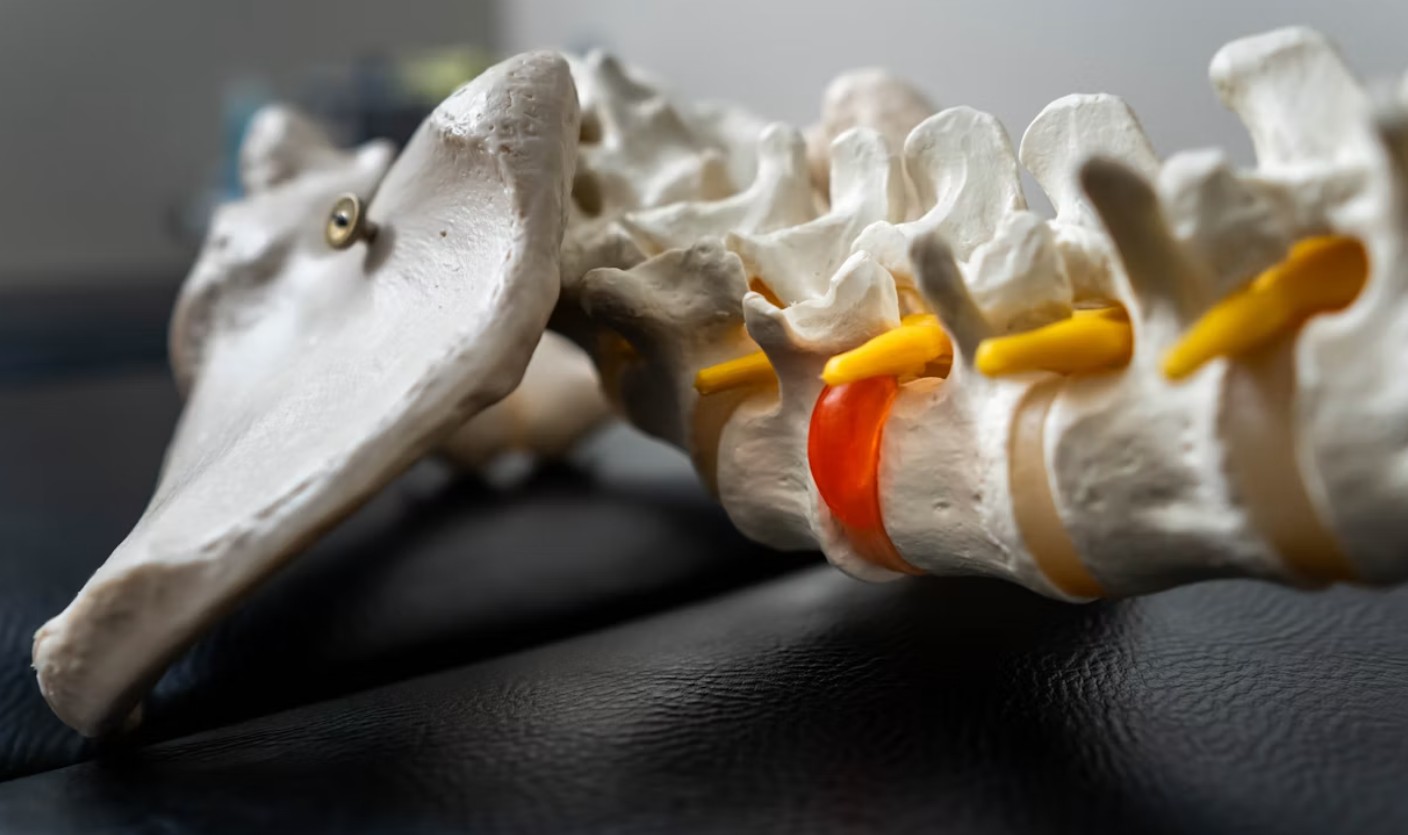
Sciatica can make bedtime feel like a nightly puzzle. A position that seems comfortable at first may start irritating the lower back, buttock, or leg after a while, and changing sides can become part of the routine. People comparing Mattresses Santa Cruz may naturally hope that a new bed will solve the problem, but a mattress cannot treat the underlying cause of sciatica. What it can do is provide a more comfortable and supportive surface that makes certain sleeping positions easier to tolerate. Sciatica can cause pain, tingling, numbness, or weakness that travels from the lower back or buttock into one leg, so comfort needs can vary.
Sciatica is linked to irritation or compression affecting the sciatic nerve or related nerve roots. Symptoms often affect the buttock and the back of one leg, sometimes reaching the foot or toes. Pain can be sharp or burning, and some people also experience tingling, numbness, or weakness. Because symptoms differ, no single mattress type can promise comfortable sleep for everyone.
Rather than searching for a bed marketed as a universal solution, it is more useful to focus on how the mattress feels in the positions you actually use at night.
The old idea that anyone with back discomfort should simply choose the hardest mattress available can be misleading. Support and firmness are related, but they are not identical. A mattress can feel relatively soft while still supporting the body well, or feel very firm yet create uncomfortable pressure.
The better question is whether the surface allows you to settle without feeling as though the hips sink excessively or the shoulders and pelvis are being pushed against an unforgiving surface. Personal comfort, body size, sleeping position, and symptoms all influence that balance.
How you sleep changes what you may want from a mattress. Side sleepers generally place more pressure on the shoulder and hip, while back sleepers often look for an even feeling of support through the torso and pelvis. People with back pain may also find that a pillow between the knees when side sleeping, or under the knees when lying on the back, makes the position more comfortable. This kind of pillow support is recommended in guidance from the National Institute of Arthritis and Musculoskeletal and Skin Diseases.
Stomach sleeping may be less comfortable for some people with back problems, so gently trying another position can sometimes be worthwhile.
When sciatica is active, even small pressure points can make it harder to settle. A mattress that distributes body weight comfortably may reduce the feeling that one hip, shoulder, or part of the lower back is taking all the load.
This does not mean choosing the softest mattress available. Too much sink can feel awkward for some sleepers and make changing position more difficult. The useful middle ground is a surface that cushions prominent areas while still feeling stable underneath. Trying a mattress in your normal sleeping position is more informative than sitting on its edge for a few seconds.
People dealing with leg or back discomfort may change positions during the night. For that reason, how easily you can turn, sit up, and get out of bed matters too. Deeply contouring materials can feel cushioned to one person and restrictive to another.
When testing a mattress, spend a little time rolling from one side to the other and getting up as you normally would. The bed should not make ordinary movement feel like work.
The mattress gets most of the attention, but it works as part of a larger setup. A pillow that leaves the neck in an awkward position can make the whole bed feel less comfortable, while an unsuitable or worn foundation may affect how the mattress performs.
Hospital guidance for back pain recommends sleeping in positions where the body feels fully supported and using pillows to support areas not comfortably supported by the mattress. Consider the pillow, base, and overall sleeping position together.
Mattress descriptions can explain materials and construction, but they cannot tell you exactly how your body will respond. Whenever possible, lie on a prospective mattress for more than a moment. Use your usual sleeping position and notice what happens around the lower back, hips, shoulders, and legs.
It is also sensible to ask about trial periods, exchanges, and return conditions before buying. Sciatica symptoms can fluctuate, so one quick test may not tell the entire story. Clear policies can provide more room to judge how a mattress feels over repeated nights.
A good mattress may make bedtime more comfortable, but it should not be presented as a cure for sciatica. NHS guidance encourages people with sciatica to remain active as much as possible rather than spending long periods sitting or lying down, and many cases improve with time. Medical treatment depends on the underlying cause and severity of symptoms.
That distinction keeps expectations realistic. A better bed can be one part of a supportive routine, alongside appropriate medical advice, movement, and any treatment recommended by a healthcare professional.
Shopping for better sleep should never replace medical assessment when symptoms are severe or concerning. Seek medical advice when pain is severe, worsening, or not improving with self-care. Sudden significant leg weakness, loss of bladder or bowel control, or symptoms following a serious injury require urgent medical attention.
These warning signs matter, and symptoms involving nerves deserve proper attention when they change suddenly or interfere significantly with normal function.
Choosing a mattress while dealing with sciatica is less about finding a product with the perfect label and more about finding a sleep surface that feels supportive, comfortable, and easy to move on. Firmness preference, sleeping position, pressure relief, pillow support, and the condition of the bed base all deserve consideration. Take time to test different options and pay attention to what your body is telling you rather than assuming one firmness level is right for everyone. Most importantly, keep the mattress in perspective. It can improve the comfort of the sleep environment, but ongoing or worsening sciatic symptoms deserve guidance from a healthcare professional. A thoughtful setup can make nights more manageable while proper care addresses the bigger picture.


Turkey’s Hair Transplant Market: Why Medical Responsibility Matters Turkey has become one of the world’s best-known destinations for hair transplantation. International patients are attracted by …
Posted Aug 20, 2026 Dermatology
Connecting innovation decision makers to authoritative information, institutions, people and insights.

Medigy accurately delivers healthcare and technology information, news and insight from around the world.
Medigy surfaces the world's best crowdsourced health tech offerings with social interactions and peer reviews.
© 2026 Netspective Foundation, Inc. All Rights Reserved.
Built on Oct 24, 2026 at 6:05pm