

Managing Editor
@ShahidNShah
@ShahidNShah
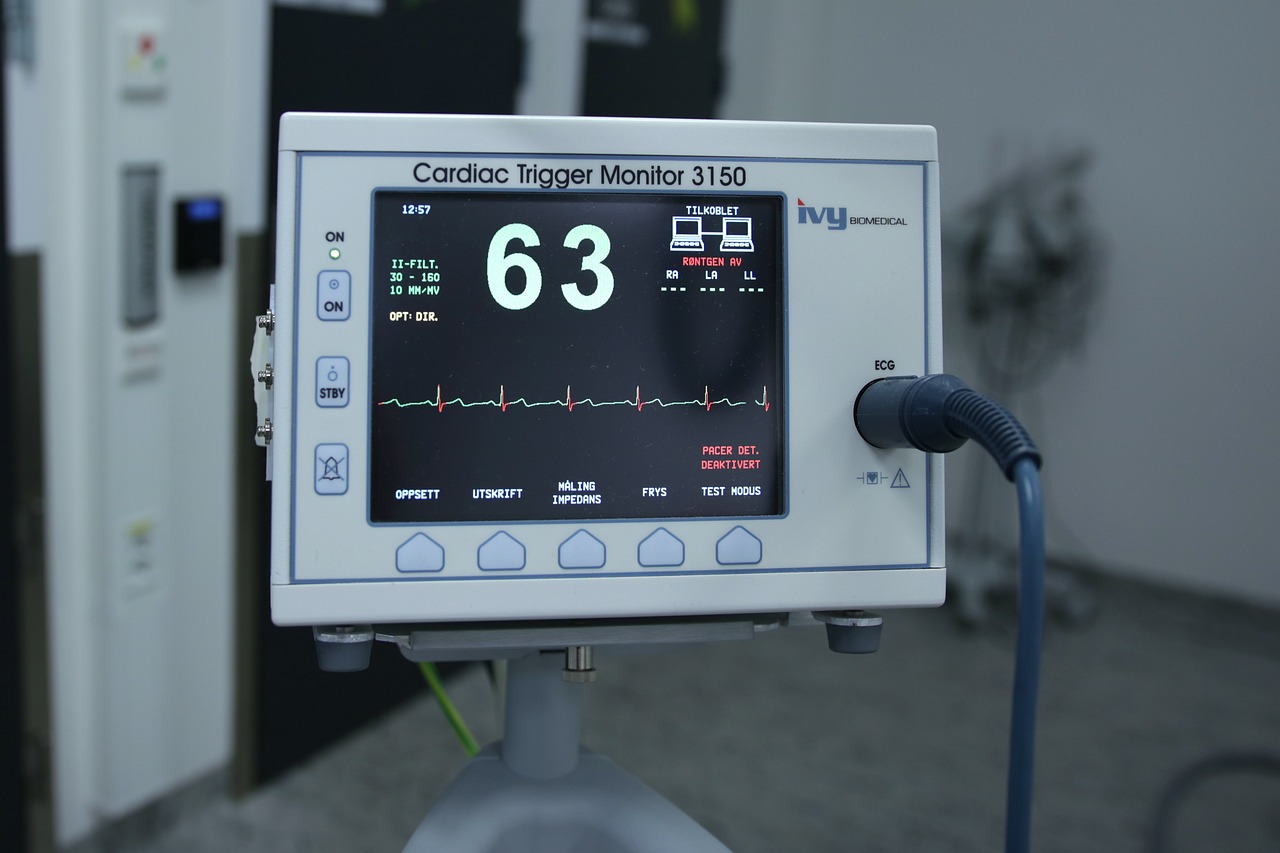
Connected medical devices have transformed healthcare by making treatment more accurate, efficient, and accessible than ever before. From wearable monitors and infusion pumps to implantable devices and remote patient monitoring systems, these technologies allow healthcare professionals to collect real-time information and respond more quickly to patients’ needs. As healthcare continues embracing digital innovation, connected devices have become essential tools for improving patient outcomes and supporting better clinical decisions.
While these advances offer tremendous benefits, they also introduce new cybersecurity challenges. Every device connected to a hospital network or cloud platform creates another opportunity for cybercriminals to exploit vulnerabilities. Protecting these technologies is no longer simply an IT responsibility. It is an important part of patient safety, operational continuity, and maintaining trust in modern healthcare systems.
Medical devices have become increasingly connected over the past decade. Instead of functioning as standalone equipment, many devices now communicate with hospital systems, electronic health records, cloud platforms, and mobile applications. This connectivity enables healthcare providers to monitor patients more effectively and share information quickly across care teams.
Unfortunately, greater connectivity also expands the number of potential entry points for attackers. Cybercriminals often look for weaknesses in connected devices because they may provide access to larger hospital networks or sensitive patient information. Even devices that perform simple functions can become stepping stones for broader attacks if they are not properly secured.
Another challenge lies in the lifespan of medical devices. Unlike consumer electronics, healthcare equipment often remains in service for many years. During that time, software may become outdated, security standards evolve, and newly discovered vulnerabilities emerge. Without proper maintenance and regular updates, older devices can become increasingly vulnerable to modern cyber threats.
Cybersecurity incidents involving medical devices extend far beyond data breaches. While protecting patient information remains essential, compromised devices can also disrupt the delivery of healthcare. Equipment that becomes unavailable during an attack may delay treatments, interrupt monitoring, or force clinicians to rely on manual processes.
Hospitals depend on connected technology to maintain efficient workflows and coordinate patient care. When cyber incidents affect critical systems, healthcare organizations may experience appointment cancellations, delayed procedures, or temporary service disruptions. These interruptions create additional stress for both medical professionals and patients.
Strong cybersecurity helps maintain confidence in connected healthcare technologies. Patients expect medical devices to perform safely and reliably whenever they are needed. Protecting these systems supports not only operational continuity but also the trust that patients place in healthcare providers every day.
Cybersecurity is most effective when it becomes part of the product development process rather than an afterthought. Manufacturers increasingly recognize the importance of incorporating secure design principles throughout every stage of development. Identifying potential risks early allows security measures to be built directly into the device instead of added later.
Secure software development practices, strong authentication methods, encrypted communications, and carefully managed update processes all contribute to stronger device protection. These features help reduce opportunities for unauthorized access while allowing healthcare professionals to use devices safely and efficiently.
Security responsibilities do not end once a device reaches the market. Manufacturers and healthcare organizations must continue monitoring emerging threats, addressing vulnerabilities, and maintaining software throughout the product’s operational life. Ongoing attention helps ensure devices remain resilient as cybersecurity risks continue evolving.
Modern cybersecurity requires continuous visibility rather than occasional inspections. Healthcare organizations need to understand which devices are connected to their networks, how they communicate, and whether unusual activity may indicate a developing security issue. Maintaining an accurate inventory is often the first step toward effective protection.
Regular vulnerability assessments help identify outdated software, configuration issues, or newly discovered weaknesses before attackers can exploit them. Security teams can then prioritize updates based on both technical severity and the potential impact on patient care. This proactive approach reduces overall organizational risk while minimizing unnecessary disruptions.
Implementing comprehensive medical device security solutions enables healthcare providers to monitor connected equipment more effectively, improve visibility across their environments, and respond quickly when potential threats arise. Continuous monitoring supports informed decision-making while helping organizations maintain both security and operational reliability.
Medical device cybersecurity cannot be managed by one department alone. Successful protection requires collaboration between manufacturers, hospital leadership, information technology teams, biomedical engineers, clinical staff, and cybersecurity specialists. Each group brings valuable expertise that contributes to a stronger overall security strategy.
Healthcare providers understand clinical workflows and patient care priorities, while manufacturers possess detailed knowledge of device architecture and software design. Cybersecurity professionals contribute expertise in identifying vulnerabilities, detecting suspicious activity, and responding to emerging threats. Working together allows organizations to balance security requirements with practical clinical needs.
Industry cooperation also strengthens the broader healthcare ecosystem. Information sharing, coordinated vulnerability disclosure, and the adoption of recognized security standards encourage continuous improvement across manufacturers and healthcare organizations alike. These collaborative efforts help prepare the industry for evolving cyber risks.
Healthcare technology continues advancing through innovations such as artificial intelligence, wearable medical devices, cloud-based healthcare platforms, and remote patient monitoring systems. These developments promise improved patient outcomes while expanding access to healthcare beyond traditional clinical settings. They introduce new cybersecurity considerations that require careful planning.
As organizations adopt new technologies, cybersecurity should remain an important factor during procurement, implementation, and long-term maintenance. Evaluating security alongside functionality helps organizations make informed decisions while reducing unnecessary risks. Planning is often more effective than attempting to address security concerns after deployment.
The future of healthcare will depend on technologies that are both innovative and trustworthy. Building cybersecurity into every stage of technological advancement enables organizations to embrace digital transformation while protecting patients, healthcare professionals, and critical infrastructure.
Technology alone cannot eliminate cybersecurity threats. Employees across healthcare organizations play a vital role in maintaining secure environments. Regular training helps staff recognize phishing attempts, follow secure authentication practices, and report suspicious activity before small issues become major incidents.
Creating a culture of cybersecurity encourages every employee to understand their responsibilities. Clinical teams, administrative staff, IT professionals, and leadership all contribute to protecting connected medical devices through everyday decisions and consistent adherence to security policies. Shared accountability strengthens organizational resilience.
Leadership support is equally important. Organizations that invest in cybersecurity education, regular risk assessments, incident response planning, and continuous improvement create stronger defenses against emerging threats. A proactive culture helps healthcare providers adapt to changing risks while maintaining safe and reliable patient care.
Connected medical devices have become indispensable components of modern healthcare, enabling more efficient treatment, better patient monitoring, and improved clinical decision-making. As healthcare becomes increasingly digital, protecting these technologies from cyber threats is essential for ensuring patient safety, maintaining operational continuity, and preserving trust in healthcare systems. Cybersecurity is no longer an optional consideration but a fundamental part of delivering high-quality care.
Organizations that prioritize secure design, continuous monitoring, cross-functional collaboration, and ongoing staff education will be better prepared for the evolving threat landscape. By treating cybersecurity as an integral part of the medical device lifecycle, healthcare providers and manufacturers can continue embracing innovation while ensuring connected technologies remain safe, reliable, and resilient for the future.


For years, healthcare practices sent patient reminders by emailing carrier gateways like @txt.att.net or @vtext.com. A front-desk coordinator composed an email, addressed it to a phone number at a …
Posted Aug 7, 2026 Patient Experience Medical Practice
Connecting innovation decision makers to authoritative information, institutions, people and insights.

Medigy accurately delivers healthcare and technology information, news and insight from around the world.
Medigy surfaces the world's best crowdsourced health tech offerings with social interactions and peer reviews.
© 2026 Netspective Foundation, Inc. All Rights Reserved.
Built on Oct 14, 2026 at 6:06pm