

Managing Editor
@ShahidNShah
@ShahidNShah
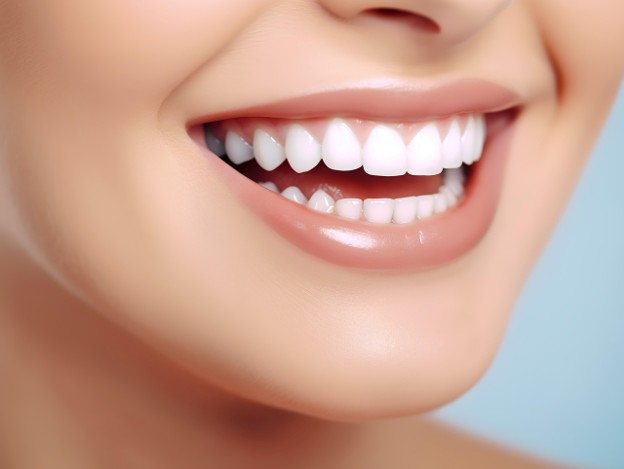
The teeth whitening industry has exploded to a $7.4 billion market in 2024, with Americans spending more on whitening products than ever before. Yet despite this massive investment, nearly 40% of people who try whitening remain dissatisfied with their results—often because they chose the wrong method for their specific needs. The stakes aren’t just cosmetic anymore; with whitening treatments ranging from $20 drugstore strips to $800 professional procedures, making the wrong choice can mean wasted money, damaged enamel, or prolonged sensitivity.
What’s driving this confusion is the sheer number of options available today, from hydrogen peroxide strips you can grab at any pharmacy to sophisticated in-office laser treatments. Each promises dramatic results, but the science behind how they work—and more importantly, how safely they work—varies dramatically. Understanding these differences isn’t just about getting whiter teeth; it’s about protecting your dental health while achieving the results you’re actually looking for.
Here’s what the research reveals about professional versus at-home whitening methods, and how to determine which approach aligns with your specific situation and oral health needs.
Professional teeth whitening represents the gold standard of dental bleaching, administered under direct supervision of licensed dental professionals who can customize treatment based on individual oral health conditions. Unlike over-the-counter products, professional whitening uses higher concentration bleaching agents (typically 15-43% hydrogen peroxide) applied with precision timing and protective measures that aren’t possible in home treatments.
The distinction goes beyond just stronger chemicals. Professional whitening involves comprehensive evaluation of tooth discoloration causes, existing dental work compatibility, and individualized treatment protocols. According to the American Dental Association’s 2024 guidelines, this preliminary assessment identifies candidates who may experience complications with whitening treatments—something impossible to determine with store-bought products.
What sets professional treatment apart is the controlled environment and immediate response capability. Dental professionals can adjust concentration levels during treatment, apply protective barriers to prevent gum irritation, and immediately address any sensitivity issues that arise. This level of oversight becomes critical when you consider that improper whitening can cause permanent enamel damage or severe tooth sensitivity.
The typical in-office whitening procedure follows a systematic protocol designed to maximize effectiveness while minimizing risks. Treatment begins with thorough dental cleaning to remove plaque and tartar that could interfere with bleaching agent penetration. Dentists then apply a protective gel or rubber dam to isolate gums from the whitening solution, preventing chemical burns that commonly occur with home treatments.
The active whitening phase involves applying professional-grade hydrogen peroxide gel in controlled increments, often enhanced with heat or specialized light to accelerate the bleaching process. Most procedures involve three 15-20 minute applications during a single appointment, with dentists monitoring tooth response and adjusting concentration as needed. This real-time customization is impossible with pre-packaged home kits.
Advanced offices now use spectrophotometry to measure precise color changes during treatment, ensuring optimal results without overprocessing. The entire procedure typically takes 60-90 minutes and can lighten teeth by 3-8 shades in a single session—results that would take weeks or months with at-home methods.
Professional take-home kits represent a hybrid approach that combines dentist supervision with home convenience. These systems use custom-fitted trays created from dental impressions, ensuring proper fit and even gel distribution that generic drugstore trays can’t provide. The bleaching gel concentration (typically 10-22% carbamide peroxide) falls between store-bought products and in-office treatments.
What distinguishes these kits is the ongoing professional oversight. Dentists provide detailed application instructions, monitor progress through follow-up appointments, and can modify treatment protocols based on patient response. This supervision proves crucial for managing sensitivity and ensuring safe, effective results.
The treatment timeline extends 2-4 weeks with daily applications, but the controlled approach often produces more comfortable results than aggressive in-office procedures. Many dental professionals prefer this method for patients with sensitive teeth or those seeking gradual, natural-looking improvement.
At-home whitening products operate on the same basic chemical principle as professional treatments—using peroxide compounds to break down stain molecules—but at significantly reduced concentrations to ensure consumer safety without supervision. The trade-off for this accessibility is longer treatment times and more variable results.
Over-the-counter products typically contain 3-10% hydrogen peroxide or equivalent carbamide peroxide concentrations, roughly one-third the strength of professional treatments. This dilution minimizes immediate safety risks but also limits the depth of stain penetration and overall whitening potential. According to dental research published in the Journal of Conservative Dentistry, home products primarily address surface-level extrinsic stains rather than the deeper intrinsic discoloration that professional treatments can tackle.
The application method significantly impacts effectiveness. While professional treatments ensure complete tooth coverage and optimal contact time, home products rely on user technique and compliance. Poor application can result in uneven whitening, missed areas, or inadequate exposure time—common complaints that lead to user dissatisfaction with home whitening results.
Whitening strips represent the most popular home option, using flexible plastic strips coated with peroxide gel that adheres directly to teeth. The convenience factor makes them appealing, but the one-size-fits-all design often leaves gaps in coverage, particularly for people with crowded or irregularly shaped teeth. Treatment typically requires 30-minute daily applications for 2-3 weeks.
Whitening toothpastes work through mild abrasives and low-concentration peroxides to remove surface stains. While safe for daily use, their whitening effect is minimal—typically lightening teeth by only one shade over several months. These products excel at maintaining whitening results rather than creating dramatic improvement.
Tray-based systems attempt to replicate professional custom trays using boil-and-bite thermoplastic or universal-fit designs. While they provide better gel coverage than strips, the imperfect fit often allows gel to leak onto gums, causing irritation. Treatment duration varies from 30 minutes to overnight applications depending on gel concentration.
Hydrogen peroxide serves as the primary bleaching agent in most home whitening products, typically at 3-6% concentrations. This compound breaks down into water and oxygen, with the oxygen molecules penetrating tooth enamel to oxidize stain compounds. The lower concentrations in home products mean this process occurs more gradually, requiring extended treatment periods to achieve noticeable results.
Carbamide peroxide appears in many at-home gels as an alternative that releases hydrogen peroxide slowly over time. A 10% carbamide peroxide solution equates to roughly 3.5% hydrogen peroxide, but the extended release provides longer active bleaching time. This makes it suitable for overnight treatments, though the total whitening effect remains limited by the lower concentration.
The pH levels in home products are carefully formulated to remain within safe ranges (typically 6.5-7.5) to prevent enamel softening that can occur with more acidic professional-grade formulations. While this reduces the risk of enamel damage, it also limits the products’ ability to address stubborn or deep stains that require more aggressive chemical action.
The effectiveness gap between professional and home whitening methods is substantial, with clinical studies consistently showing professional treatments achieving 3-8 shade improvements compared to 1-3 shades for home products. This difference stems not just from higher peroxide concentrations, but from optimized application techniques and individualized treatment protocols that maximize bleaching efficiency.
Research published in the Journal of the American Dental Association found that professional in-office treatments achieved target whitening goals for 89% of patients in a single session, while home treatments reached similar satisfaction levels for only 34% of users after completing full treatment cycles. The disparity becomes more pronounced for patients with intrinsic stains or significant discoloration, where professional treatments maintained effectiveness while home methods showed minimal impact.
The durability of results also favors professional treatments. A 2023 longitudinal study tracking whitening longevity found that professional treatments maintained significant whitening for 12-18 months, while home treatment results began fading noticeably after 3-6 months. This difference relates to the deeper enamel penetration achieved with higher concentration bleaching agents under controlled conditions.
Professional whitening delivers immediate gratification, with most patients seeing dramatic improvement within hours of treatment completion. The high-concentration bleaching agents and optimized application techniques compress the whitening process into a single appointment, making it ideal for people with time constraints or special events approaching.
In-office procedures typically show maximum results within 24-48 hours as the bleaching process completes and teeth rehydrate. Some patients experience temporary over-whitening immediately after treatment, which normalizes within a few days as tooth translucency adjusts.
Home whitening timelines extend weeks to months depending on the product and desired results. Strips typically require 2-3 weeks of daily applications, while weaker formulations may take 2-3 months to achieve noticeable improvement. This extended timeline tests user compliance and can lead to inconsistent results if treatment protocols aren’t followed precisely.
Professional treatments routinely achieve 6-10 shade improvements on standardized dental shade guides, with some patients experiencing even more dramatic results depending on their starting point and stain type. The controlled application environment allows dentists to push bleaching agents to their maximum safe effectiveness while monitoring for adverse reactions.
Home products typically deliver 1-4 shade improvements, with most users seeing 2-3 shade changes after completing full treatment cycles. While this may sound modest, it often provides noticeable cosmetic improvement for people with mild discoloration or as maintenance following professional treatment.
The consistency of results differs significantly between methods. Professional treatments deliver predictable outcomes because dentists can adjust protocols based on real-time assessment of tooth response. Home treatments show more variable results due to differences in user technique, compliance, and individual physiological factors that can’t be monitored or adjusted during treatment.
Safety considerations represent perhaps the most critical distinction between professional and home whitening methods. While both approaches use similar bleaching chemistry, the controlled environment and professional oversight of dental office treatments provide multiple layers of protection that home users must manage independently—often without adequate knowledge or preparation.
Professional whitening procedures include pre-treatment evaluation to identify contraindications such as extensive dental work, enamel erosion, or periodontal disease that could complicate whitening. This screening prevents treatment complications that commonly arise when people with unsuitable oral health conditions attempt home whitening without professional guidance.
The immediate response capability during professional treatment addresses problems before they become serious. Dentists can instantly neutralize bleaching agents if excessive sensitivity develops, adjust concentrations based on patient comfort, or halt treatment if adverse reactions occur. Home users experiencing similar problems must either continue treatment despite discomfort or discontinue treatment without professional guidance on whether the reaction is normal or concerning.
Professional bleaching agents operate at 15-43% hydrogen peroxide concentrations, requiring specialized application techniques and protective protocols to prevent enamel damage or gum irritation. Dentists use rubber dams, protective gels, and precise application methods to contain bleaching agents to tooth surfaces while preventing contact with soft tissues.
These higher concentrations achieve superior results because they can penetrate deeper into enamel structure to address intrinsic stains that lower-concentration home products can’t reach. However, the same penetrating ability that makes professional whitening effective also creates potential for enamel weakening if not properly controlled—emphasizing why professional supervision matters for safe treatment.
Home products limit concentrations to 3-10% hydrogen peroxide or equivalent carbamide peroxide levels to minimize unsupervised safety risks. While this reduces the potential for severe enamel damage, it doesn’t eliminate sensitivity risks or prevent problems from overuse, improper application, or use by people with contraindicated oral health conditions.
Tooth sensitivity affects 60-80% of whitening patients regardless of treatment method, but professional settings provide immediate management options unavailable to home users. Dentists can apply desensitizing agents before, during, or after treatment, adjust bleaching concentrations based on patient comfort, and provide prescription-strength sensitivity relief medications.
The timing and intensity of sensitivity differs between professional and home treatments. Professional whitening often produces more immediate but shorter-duration sensitivity due to the concentrated treatment approach. Home whitening can create prolonged low-level sensitivity that gradually increases over the treatment period, potentially leading users to continue treatment despite mounting discomfort.
Professional protocols include post-treatment sensitivity management with specific instructions for managing discomfort, dietary modifications, and follow-up care. Home whitening users typically receive limited guidance for sensitivity management, leading many to discontinue treatment prematurely or push through discomfort that could indicate developing enamel damage.
Choosing between professional and home whitening requires honest assessment of multiple individual factors beyond simple cost considerations. The most effective approach aligns with your specific oral health status, lifestyle constraints, whitening goals, and tolerance for both discomfort and uncertainty during treatment.
Budget considerations extend beyond initial treatment costs to include longevity and retreatment frequency. While professional whitening requires higher upfront investment ($300-800), the longer-lasting results often provide better cost-per-year value than repeated home treatment cycles. Home products appear economical ($20-150) but may require continuous use to maintain results.
Time availability influences method selection significantly. Professional treatments compress whitening into 1-3 appointments, making them ideal for people with busy schedules or approaching deadlines. Home treatments require consistent daily applications over weeks or months, demanding more discipline but offering flexible timing.
Your sensitivity tolerance plays a crucial role in method selection. Professional treatments provide immediate support for managing sensitivity but may produce more intense initial discomfort. Home treatments allow you to control application timing and frequency but offer limited options for managing sensitivity if it develops.
Extrinsic stains from coffee, wine, tobacco, or food respond well to both professional and home treatments, though professional methods work faster and more completely. These surface-level stains represent the ideal scenario for home whitening products, which can effectively lighten such discoloration with consistent use.
Intrinsic stains from medication (particularly tetracycline), fluorosis, or dental trauma require professional treatment for meaningful improvement. Home products lack sufficient concentration and penetrating ability to address deep enamel discoloration effectively. Attempting to treat severe intrinsic stains with home products typically leads to frustration and wasted time.
Age-related yellowing combines both extrinsic and intrinsic components, making it moderately responsive to home treatments for surface improvement but requiring professional intervention for comprehensive results. The natural enamel thinning that occurs with age allows underlying dentin color to show through, creating discoloration that home products cannot adequately address.
Existing dental work significantly impacts whitening method selection. Crowns, veneers, and fillings don’t respond to bleaching agents, potentially creating mismatched coloration after whitening natural teeth. Professional evaluation can predict these outcomes and suggest alternative approaches or preparatory treatments.
Enamel erosion or sensitivity from acid reflux, aggressive brushing, or previous dental procedures creates contraindications for higher-concentration professional treatments. Paradoxically, these conditions may also make home treatments inappropriate due to increased sensitivity risk. Professional evaluation helps navigate these complex situations safely.
Periodontal health affects both treatment safety and effectiveness. Gum recession exposes root surfaces that can experience severe sensitivity during whitening, while active gum disease increases infection risk. Professional assessment ensures whitening procedures don’t compromise oral health or exacerbate existing conditions.
Clinical research consistently demonstrates the superior effectiveness of professional whitening methods, with peer-reviewed studies published in dental journals providing compelling evidence for the concentration-effectiveness relationship in bleaching treatments. A comprehensive meta-analysis published in the Journal of Dentistry (2024) examined 47 clinical trials comparing professional and home whitening methods, finding professional treatments achieved statistically significant better outcomes across all measured parameters.
The biochemical mechanisms underlying these differences relate to peroxide penetration depth and contact time optimization. Professional treatments achieve deeper enamel penetration due to higher concentrations and controlled application environments, while home products primarily affect surface-level stain molecules. This explains why professional treatments show superior effectiveness for intrinsic stains and long-term color stability.
Long-term outcome studies reveal important patterns in whitening durability and safety. Research tracking patients over 3-5 years post-treatment found that professional whitening maintained clinically significant improvement longer than home treatments, with lower rates of enamel damage or persistent sensitivity when proper protocols were followed.
A landmark randomized controlled trial published in the International Journal of Dentistry (2024) directly compared professional in-office whitening to home strip treatments over 12 months. The study found professional treatments achieved average improvements of 7.2 shades compared to 2.8 shades for home strips, with 94% of professional patients satisfied with results versus 61% of home treatment users.
Safety profiles also favored professional treatment despite higher concentrations used. The study documented 12% severe sensitivity rates for home users compared to 8% for professionally treated patients, attributed to better sensitivity management and appropriate candidate selection in professional settings. Home users showed higher rates of gum irritation (23% vs. 4%) due to imperfect application techniques.
The cost-effectiveness analysis within the study challenged assumptions about home treatment economy. When factoring in retreatment frequency and time investment, professional whitening showed better value over 24-month periods for patients seeking significant whitening improvement rather than mild enhancement.
“Natural whitening methods work just as well” represents a persistent myth that research has thoroughly debunked. While baking soda, activated charcoal, and oil pulling may remove some surface stains, clinical studies show these methods achieve minimal measurable whitening compared to peroxide-based treatments. Worse, some “natural” methods like lemon juice or aggressive abrasives can damage enamel permanently.
“Whitening damages enamel permanently” oversimplifies the relationship between bleaching and tooth structure. Research indicates that properly administered whitening—whether professional or home-based—causes temporary enamel changes that reverse within 7-14 days post-treatment. However, overuse of home products or improper application can indeed cause permanent enamel weakening, highlighting the importance of following protocols carefully.
The misconception that “home and professional whitening are basically the same” ignores fundamental differences in concentration, application method, and supervision that create substantially different risk-benefit profiles. While both use peroxide chemistry, the clinical outcomes and safety considerations differ significantly enough to represent distinct treatment categories rather than simple convenience alternatives.
The evidence clearly demonstrates that professional and home whitening methods serve different roles in cosmetic dentistry, each with distinct advantages aligned to specific patient needs and circumstances. Professional treatments excel for significant discoloration, time-sensitive results, and complex oral health situations, while home products provide accessible options for mild improvement and maintenance whitening.
As whitening technology continues advancing and consumer education improves, the future likely holds more sophisticated home products that narrow the effectiveness gap while maintaining safety standards. However, the fundamental advantages of professional oversight—individualized assessment, real-time monitoring, and immediate response capability—suggest that professional whitening will remain the gold standard for optimal results and safety.
The decision between professional and home whitening shouldn’t be driven solely by cost or convenience, but by honest assessment of your whitening goals, oral health status, and tolerance for uncertainty in outcomes. Understanding these differences empowers you to make informed choices that align with your specific needs and expectations.

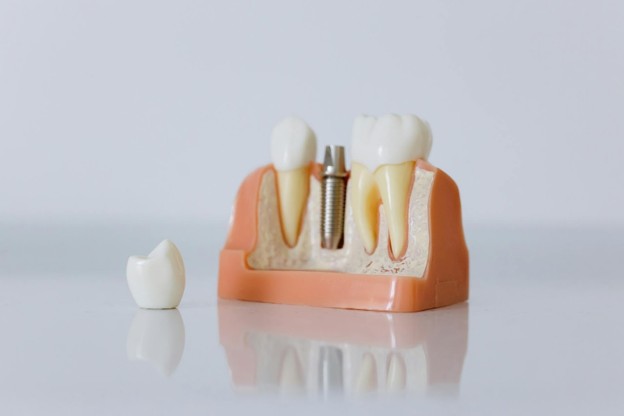
More than 178 million Americans are missing at least one tooth, and around 40 million have lost all of their teeth. Yet only a small fraction of them choose dental implants. This gap is not about lack …
Posted Dec 27, 2025 Dental Care Dentistry
Connecting innovation decision makers to authoritative information, institutions, people and insights.

Medigy accurately delivers healthcare and technology information, news and insight from around the world.
Medigy surfaces the world's best crowdsourced health tech offerings with social interactions and peer reviews.
© 2026 Netspective Foundation, Inc. All Rights Reserved.
Built on Mar 27, 2026 at 3:45am