

Managing Editor
@ShahidNShah
@ShahidNShah
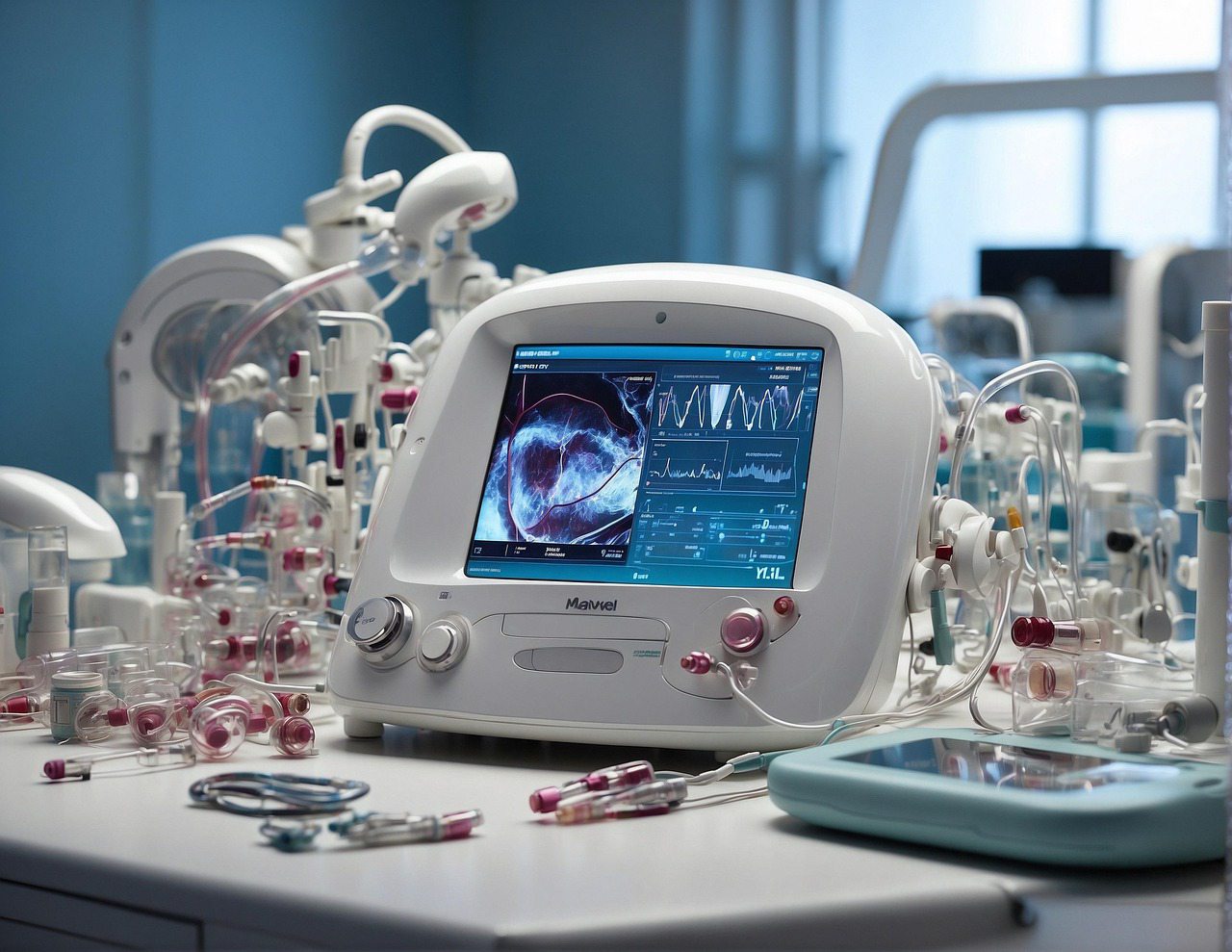
Medical device manufacturing demands precision, accountability, and constant oversight. You operate in an environment where product performance directly affects patient safety and clinical outcomes. Even minor inconsistencies in materials, assembly, or documentation can escalate into regulatory scrutiny, production delays, or costly field corrections. Expectations continue to rise as healthcare providers seek reliable, high performing devices supported by clear evidence and traceability.
You must coordinate engineering, production, validation, and compliance efforts without losing control of timelines or cost efficiency. Success depends on disciplined execution, cross functional alignment, and the ability to respond quickly when risks surface.
Read on to discover practical ways to overcome challenges in medical device manufacturing and strengthen your operations with confidence.
Medical devices depend on precise parts, compliant materials, and consistent supplier performance. Any weakness in sourcing can interrupt output and affect delivery commitments.
To strengthen supply stability and component reliability, focus on the following priorities:
Assess certifications, technical capabilities, and production controls before approval. Review how each supplier manages its manufacturing process, including inspection protocols and material traceability. You rely on tight tolerances and repeatable output, especially in medical device manufacturing.
Partnering with a precision manufacturer that provides medical machining services allows you to secure custom medical parts and components built to exact specifications. This collaboration supports consistent quality across complex components produced through Swiss machining or other high accuracy methods.
Confirm that raw materials meet biocompatibility and performance standards required for your device application. Evaluate whether suppliers use validated methods such as injection molding, precision molding, or tube extrusion, depending on part design and function. Clear documentation of material grades and processing parameters reduces the risk of downstream assembly conflicts.
Align procurement schedules with realistic production forecasts to prevent bottlenecks. Discuss capacity planning with vendors that offer integrated manufacturing services so you can anticipate lead times and scaling limits. Transparent communication supports smoother order fulfillment during volume shifts.

Regulatory approval determines whether your product reaches the market on schedule. You must align internal systems with applicable laws, standards, and documentation rules before commercial release.
To ensure greater control and streamline regulatory reviews, concentrate on these essential areas:
Determine how your medical device is categorized under applicable regulations and identify the correct submission route early in development. This decision affects testing depth, clinical evidence expectations, and review timelines. Clear classification reduces the risk of unexpected data requests that can stall progress within the medical device industry.
Structure your processes around ISO 13485 to support consistent documentation, traceability, and oversight. A compliant quality management system strengthens regulatory compliance by defining responsibilities, approval workflows, and change control procedures. Alignment with established standards also improves readiness for authority inspections and third-party audits.
Develop organized technical files that include design inputs, verification results, risk analyses, and labeling records. Assign and manage each unique device identifier accurately to support traceability and post market monitoring. Well maintained records reduce review friction and simplify communication with regulators.
Maintaining consistent quality is critical in medical device manufacturing, as variability in parts or assembly can affect patient safety and device reliability. Devices are ultimately used in healthcare facilities where performance failures can disrupt clinical workflows and compromise treatment outcomes. Establishing clear procedures ensures each step of production meets defined specifications, reducing the likelihood of defects.
In addition, integrating statistical process control throughout production helps identify trends before they result in failures. Monitoring key metrics enables engineers to detect subtle changes in assembly or material performance. This proactive approach strengthens overall quality while supporting efficient product development cycles.
Furthermore, applying design for manufacturability principles ensures that new devices, such as surgical instruments, spinal implants, and reconstructive devices, can be produced consistently without excessive rework. These considerations improve reliability and simplify scaling from prototypes to full production.
Advanced manufacturing technologies allow production to achieve higher precision and consistency, especially for complex medical devices. Leveraging automation and robotics enhances repeatability while reducing human error, all within validated processes. This combination ensures each device meets specifications while supporting seamless scaling from prototype to full production.
Equally important is the insight gained from real-time production monitoring. When metrics are tracked continuously, deviations are detected immediately, enabling swift corrective action before they affect output. This proactive approach strengthens overall process control and informs improvements that optimize efficiency and reliability.
As operations grow more connected, protecting integrated systems becomes critical. Ensuring cybersecurity and system integrity preserves data accuracy and device performance. Meanwhile, planning for scalable production allows manufacturers to expand output without compromising quality or operational stability.
Medical device manufacturing presents layered challenges that demand structured responses. You must manage regulatory compliance, uphold strict quality standards, secure reliable supply chains, and integrate advanced technologies without losing operational control. When you address each area with clear procedures and forward planning, you reduce risk, protect patients, and maintain steady production.


Burn injuries can affect the body, mind, and daily life in lasting ways. Recovery often requires medical care, emotional support, and long-term adjustments. Fresno is one of the largest cities in …
Posted Mar 3, 2026 Care Management
Connecting innovation decision makers to authoritative information, institutions, people and insights.

Medigy accurately delivers healthcare and technology information, news and insight from around the world.
Medigy surfaces the world's best crowdsourced health tech offerings with social interactions and peer reviews.
© 2026 Netspective Foundation, Inc. All Rights Reserved.
Built on Mar 25, 2026 at 1:20pm