

Managing Editor
@ShahidNShah
@ShahidNShah

In the landscape of modern addiction medicine, the transition from acute clinical intervention to sustainable recovery is often where the most critical failures occur. For decades, the industry has operated in silos, treating detoxification, mental health stabilization, and sober living as isolated events rather than a single, fluid clinical pathway. This fragmented approach has fueled the “revolving door” of addiction, where patients cycle through expensive treatments only to falter in the void between discharge and the return to daily life.
To improve patient outcomes and lower the systemic costs of substance use disorders (SUD), the focus must shift toward a systems-based approach. By optimizing the workflow between medical detox and adaptive sober living, providers can create a safety net that catches patients before they fall through the cracks of a disjointed system.
The transition from a high-acuity medical detox facility back to one’s home environment is perhaps the most vulnerable period in a person’s recovery journey. Statistically, the risk of overdose and relapse is highest in the first 30 days following discharge. This phenomenon is largely due to the sudden loss of clinical supervision, structured support, and the immediate re-introduction of environmental triggers.
When a patient completes a detox program without a seamless hand-off to a step-down level of care, they are often left to navigate complex psychological cravings and logistical stressors on their own. The solution lies in treating the entire spectrum of care: Detox, Mental Health, Treatment, and Sober Living, as an unbroken clinical continuum.
By viewing these stages not as separate products but as integrated milestones, providers can ensure that the patient’s clinical data, mental health history, and behavioral progress follow them throughout their journey.
A successful recovery journey begins with clinical precision. Medical detoxification is more than just getting the drugs out of the system, it is a sophisticated medical intervention designed to manage the dangerous physiological risks of withdrawal.
Modern detox workflows must prioritize safety through evidence-based protocols. For substances like alcohol and benzodiazepines, withdrawal can be life-threatening, requiring 24/7 monitoring of vitals and the administration of tapering medications to prevent seizures or delirium tremens. However, the workflow should not stop at physical stabilization.
The first 72 hours of care provide a unique window for diagnostic clarity. Effective workflows incorporate early mental health screenings to identify co-occurring disorders. If a patient is using substances to mask underlying trauma, bipolar disorder, or chronic depression, treating the addiction in isolation is a recipe for failure. By identifying these dual diagnoses during the detox phase, the clinical team can tailor the subsequent mental health interventions to address the root causes of the substance use.
For individuals navigating the complexities of recovery, prioritizing programs that offer integrated mental health treatment alongside traditional rehabilitation is essential for long-term stability.
The traditional 30-day treatment model is increasingly being viewed as an arbitrary metric that does not account for individual biological and psychological differences. The industry is moving toward Dynamic Care Models, a treatment that is progress-based rather than time-based.
In an optimized workflow, a patient moves from intensive inpatient care to outpatient settings based on their achievement of specific clinical milestones (e.g., emotional regulation skills, stabilized sleep patterns, and the development of a relapse prevention plan). This adaptive approach ensures that patients aren’t “graduated” before they are ready, nor are they held in a restrictive environment longer than necessary, which can lead to stagnation.
Digital health tracking and telehealth are revolutionizing this transition. As a patient moves from a 24/7 clinical setting to an outpatient or sober living environment, technology acts as the connective tissue.
Historically, sober living was often viewed as a simple residence, a place to sleep while staying sober. To optimize the clinical workflow, we must redefine sober living as an adaptive, step-down clinical environment.
In an integrated model, the sober living home is part of the treatment team. This means the house manager, clinical case managers, and outpatient therapists are in constant communication. When a resident in sober living experiences a mental health setback, the clinical workflow allows for a swift step-up in services without the patient having to re-enter the system from scratch.
This adaptive nature of modern sober living provides a controlled laboratory for real-life reintegration. Patients can begin working, attending school, or repairing family relationships while still returning to a home environment that is monitored, substance-free, and clinically supported.
As the field of addiction medicine evolves, the metrics of success must also change. For too long, success was defined by the completion of a program or the number of days since a person last used a substance. While these are important, they do not tell the whole story.
Optimizing the workflow between detox and sober living allows us to measure total life reintegration. We must look at:
By streamlining the transition between the four pillars: Detox, Mental Health, Treatment, and Sober Living, the healthcare system can significantly lower the long-term costs of emergency interventions and, more importantly, save lives. When the path to recovery is unbroken, the journey to a new life becomes achievable.
Navigating the complexities of addiction and mental health is not a journey meant to be taken alone. If you or a loved one is struggling, it is essential to seek out a program that understands the importance of a continuum of care.
When researching facilities, look for those that offer:
Don’t be afraid to ask a provider, “How do you handle the transition between levels of care?”. A reputable facility will have a clear, documented workflow designed to keep you supported every step of the way.
Recovery is a marathon, not a sprint, but every marathon begins with a single, decisive step. If the “revolving door” has been your experience in the past, remember that the failure likely lies in the system, not in your personal resolve. By choosing a path that prioritizes a seamless clinical workflow and long-term support, you are significantly increasing your chances of lasting success.
Reach out to a healthcare professional today to discuss a comprehensive treatment plan that addresses your unique needs. Your future self is waiting.

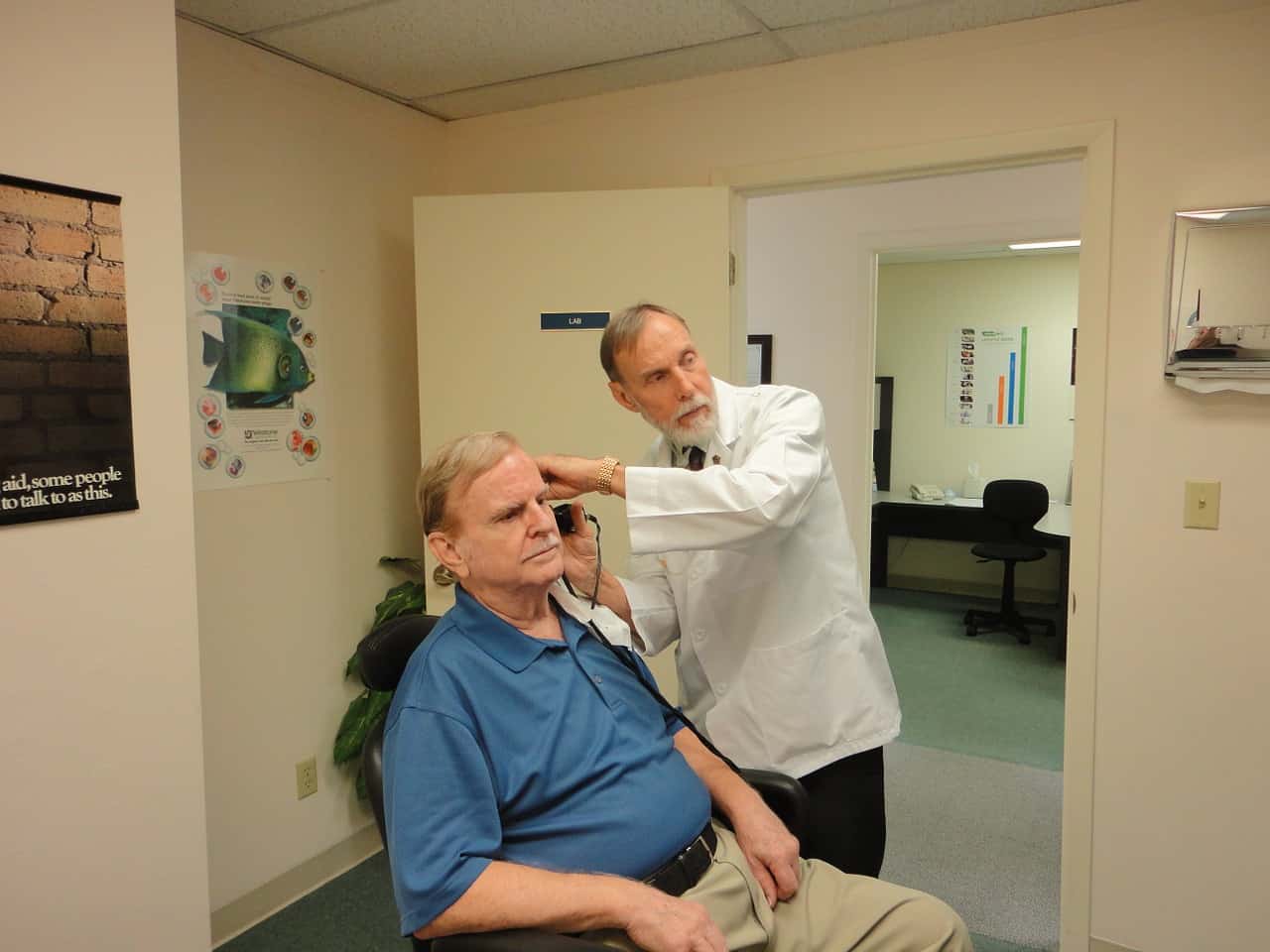
Earlobe repair used to sound more intimidating than it needed to be. Many people imagined complex procedures, long healing periods, or visible scars, which often led them to delay care even when …
Posted Feb 9, 2026 Otolaryngology
Connecting innovation decision makers to authoritative information, institutions, people and insights.

Medigy accurately delivers healthcare and technology information, news and insight from around the world.
Medigy surfaces the world's best crowdsourced health tech offerings with social interactions and peer reviews.
© 2026 Netspective Foundation, Inc. All Rights Reserved.
Built on Mar 27, 2026 at 3:45am