

Managing Editor
@ShahidNShah
@ShahidNShah
Nearsightedness in kids is climbing fast, and parents now have more than one way to slow it down. Two of the most talked-about tools are myopia control contact lenses and specially designed glasses lenses. Both aim to do the same job: keep a child’s prescription from climbing year after year. The tricky part is figuring out which option actually fits your child’s age, habits, and daily routine. This guide breaks down both choices in plain language so you can walk into your next eye exam ready to ask the right questions.
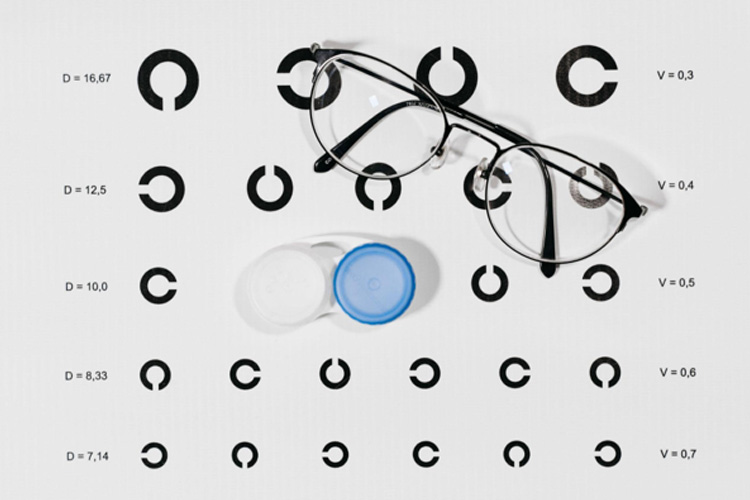
Childhood myopia rarely stays put on its own. Once a child’s eyes start growing too long, the prescription tends to increase every year until the teens. A stronger prescription means thicker lenses, blurrier distance vision without correction, and a higher lifetime risk of serious eye conditions like retinal detachment or glaucoma. Slowing that growth early makes a real difference decades down the road.
This is exactly why so many parents now book a yearly checkup with family optometrists instead of waiting until a child squints at the classroom board. Catching rapid changes early gives more options for treatment and better long-term results.
Specialized contact lenses for myopia control work by reshaping how light focuses on the peripheral retina, not just the center. Regular glasses correct the middle of the vision field clearly, yet leave the edges slightly out of focus in a way that may signal the eye to keep growing. Myopia control lenses adjust that peripheral signal so the eye gets a message to slow down.
Two main styles show up in most clinics:
Soft multifocal lenses suit kids who already wear regular contacts and want a simple daily swap. Ortho-k appeals to families who want their child to see clearly all day without touching a lens case until bedtime. Both styles need proper hygiene habits, since any contact lens carries a small infection risk if cleaning steps are skipped.
Myopia control glasses look almost identical to standard frames, yet the lenses inside use a different design. Instead of one smooth prescription across the whole lens, these lenses include small zones or rings that adjust focus at the edges, similar in goal to what contact lenses achieve, just through a stationary lens rather than one riding directly on the eye.
Families often lean toward this route for a few clear reasons:
Cost and lifestyle usually decide which path a family picks once the science checks out for both. Here is a side-by-side look at how the two options stack up on the things parents ask about most:
| Factor | Contact Lenses | Glasses |
| Daily comfort | Feels natural once fitted; no frames on the face | Easy to put on and take off; no eye contact needed |
| Sports and play | Stays put during running, swimming, and rough play | Can slip, fog up, or break during active games |
| Upkeep | Needs daily cleaning or fresh daily pairs | Needs occasional cleaning and frame adjustments |
| Starting cost | Often, higher upfront and ongoing supply costs | Usually, a single upfront cost per pair |
| Age fit | Best once a child can handle hygiene routines | Works well at almost any age, including toddlers |
Active kids who play soccer, swim, or wrestle on the living room floor tend to do well with contact lenses since there is no frame to knock loose. Ortho-k in particular gives clear daytime vision with zero gear during games or practice.
Younger children, or kids who feel nervous about touching their own eyes, usually settle in faster with myopia control glasses. There is no learning curve for insertion or removal, and a parent can check the fit and cleanliness with a glance.
Family routine matters as much as the child’s personality. A household with a hectic morning schedule may find glasses simpler to manage, while a family comfortable with a nightly lens routine might prefer the daytime freedom ortho-k provides. Talking through a typical week with your eye doctor helps match the treatment to real life, not just the textbook option.
Neither option works through hope alone; both need a proper fitting, regular follow-up visits, and honest conversations about how well your child sticks to the routine at home. A comprehensive eye exam will confirm how fast the prescription has changed recently and which treatment style matches your child’s age, activity level, and comfort with handling their own eyewear.
Myopia control has come a long way from simply prescribing stronger glasses every year and hoping for the best. Whether you land on contact lenses, treatment glasses, or a combination approach over time, the goal stays the same: give your child’s eyes the support they need now, so their vision stays stronger for the rest of their life. Early treatment can also help reduce future healthcare costs by lowering the risk of serious eye conditions that may require more extensive care later. Book that eye exam, ask direct questions, and pick the routine your family can actually stick with long term.
Both options are effective for slowing the progression of myopia in children. The better choice depends on your child’s age, daily activities, comfort level, and ability to follow proper lens care. An eye care professional can recommend the most suitable option after a comprehensive eye exam.
Many children can begin wearing myopia control contact lenses once they are responsible enough to handle and clean them properly. There is no single age that fits every child, so an optometrist will evaluate maturity, eye health, and lifestyle before recommending contact lenses.
Myopia control glasses are designed to help slow eye growth using specialized lens technology. They can be an excellent option for children who are not ready for contact lenses or prefer a simple daily routine. Both treatments can be effective when used as recommended by an eye care provider.
Children receiving myopia control treatment should have regular follow-up eye exams, usually every 6 to 12 months or as recommended by their optometrist. These visits help monitor prescription changes, evaluate treatment effectiveness, and make adjustments if needed.


Mesothelioma is not a very common form of cancer. Only about 3,000 individuals in the United States are diagnosed with it. The disease appears to have a 5-year relative survival rate of 12% and a …
Posted Jul 22, 2026 Healthcare
Connecting innovation decision makers to authoritative information, institutions, people and insights.

Medigy accurately delivers healthcare and technology information, news and insight from around the world.
Medigy surfaces the world's best crowdsourced health tech offerings with social interactions and peer reviews.
© 2026 Netspective Foundation, Inc. All Rights Reserved.
Built on Oct 19, 2026 at 5:05am