

Managing Editor
@ShahidNShah
@ShahidNShah
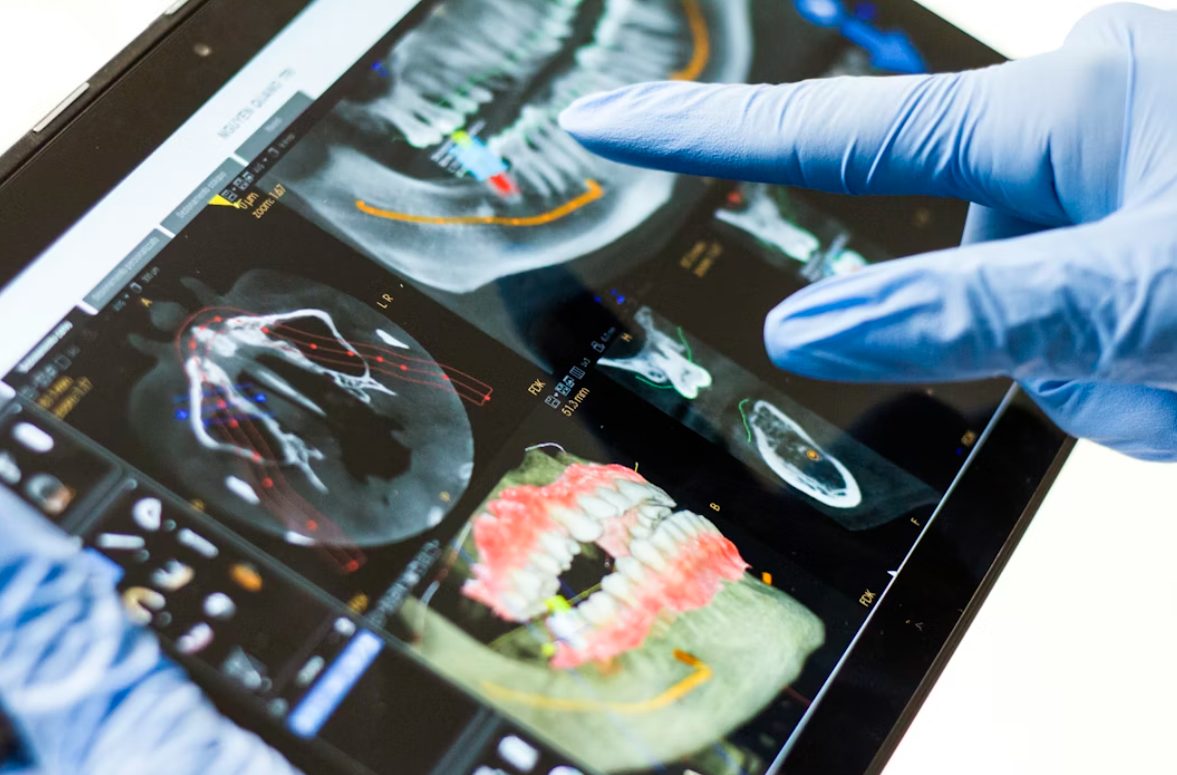
When an adult loses a permanent tooth, the immediate concern is usually the visible gap in their smile. However, the physical reality of tooth loss extends far beyond aesthetics. Beneath the gumline, a missing tooth triggers a cascade of structural changes that affect your bite alignment, chewing efficiency, and long-term facial structure.
Millions of adults face this issue every year. While traditional bridges and removable dentures were once the only options, modern restorative dentistry provides advanced solutions that replicate the look, feel, and biological function of a natural tooth. Dental implants offer a predictable, highly effective way to permanently restore your smile and protect your jawbone.
To understand why dental implants are so effective, you must understand how natural teeth interact with your jawbone. Every time you chew, the roots of your teeth send kinetic energy down into your alveolar bone. This physical stimulation signals your body to continuously send calcium and vital nutrients to the jaw, keeping the bone dense and strong.
When you lose a tooth, that stimulation stops instantly. Without the root to provide mechanical pressure, the body begins reabsorbing the minerals in the jawbone. Within the first 12 months following an extraction, the jawbone loses up to 25% of its width. As this bone loss progresses, adjacent teeth shift into the empty space, altering your bite alignment. A sunken appearance around the mouth and lips often develops, prematurely aging your facial structure.
Traditional restorative options only replace the visible crown of a missing tooth. A dental bridge requires a dentist to shave down healthy enamel on adjacent teeth to anchor a false tooth. Removable dentures sit on top of the gums, offering surface-level function but failing to stop bone loss beneath the tissue.
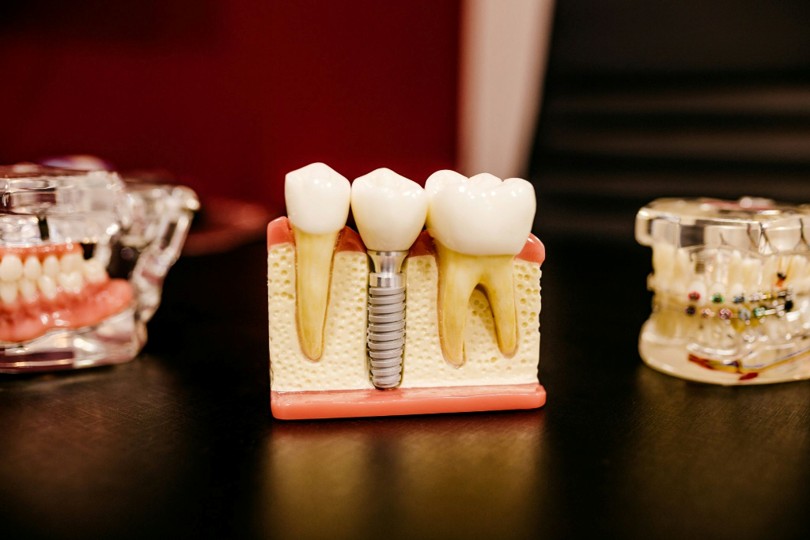
A dental implant is different. It replaces both the root and the crown, functioning as a complete, self-sustaining unit. The system relies on three specific components:
Titanium possesses a unique biological property called osseointegration. Over a period of 3 to 6 months, living bone cells grow into the microscopic grooves of the titanium post. The jawbone fuses directly to the metal, creating a permanent, load-bearing anchor. This fusion allows the implant to transfer chewing forces back into the jaw, stopping bone loss entirely.
If you are missing teeth and seeking a permanent restorative solution, consulting an experienced dentist in Glendale, Az is your first step. Dr. Mark Dill and the team at Family Dental Station utilize advanced diagnostic technology to evaluate your jawbone density and design a personalized treatment plan that restores your natural bite function.
Placing a dental implant requires precision and careful planning. Your clinical team will guide you through a structured timeline to ensure the highest rate of long-term success.
A dental implant cannot develop a cavity, but the surrounding gum tissue remains vulnerable to bacterial infection. If plaque accumulates around the base of the implant, a condition called peri-implantitis can develop, threatening the bone that holds the post in place.
Maintaining your restoration is straightforward and mirrors the care required for natural teeth. You must brush twice daily with a soft-bristled toothbrush and use specific implant floss or an interdental brush to remove debris from the gumline. Attending routine professional cleanings every six months allows your hygienist to track the health of your surrounding tissue and ensure your implant remains stable and functional for decades to come.

Dental anxiety affects millions of adults every year, keeping them away from routine checkups and necessary restorative care. The physical response to dental fear is real and immediate. When you sit …
Posted Oct 29, 2026 Dental Care Dentistry
Connecting innovation decision makers to authoritative information, institutions, people and insights.

Medigy accurately delivers healthcare and technology information, news and insight from around the world.
Medigy surfaces the world's best crowdsourced health tech offerings with social interactions and peer reviews.
© 2026 Netspective Foundation, Inc. All Rights Reserved.
Built on Oct 29, 2026 at 6:05pm