

Managing Editor
@ShahidNShah
@ShahidNShah
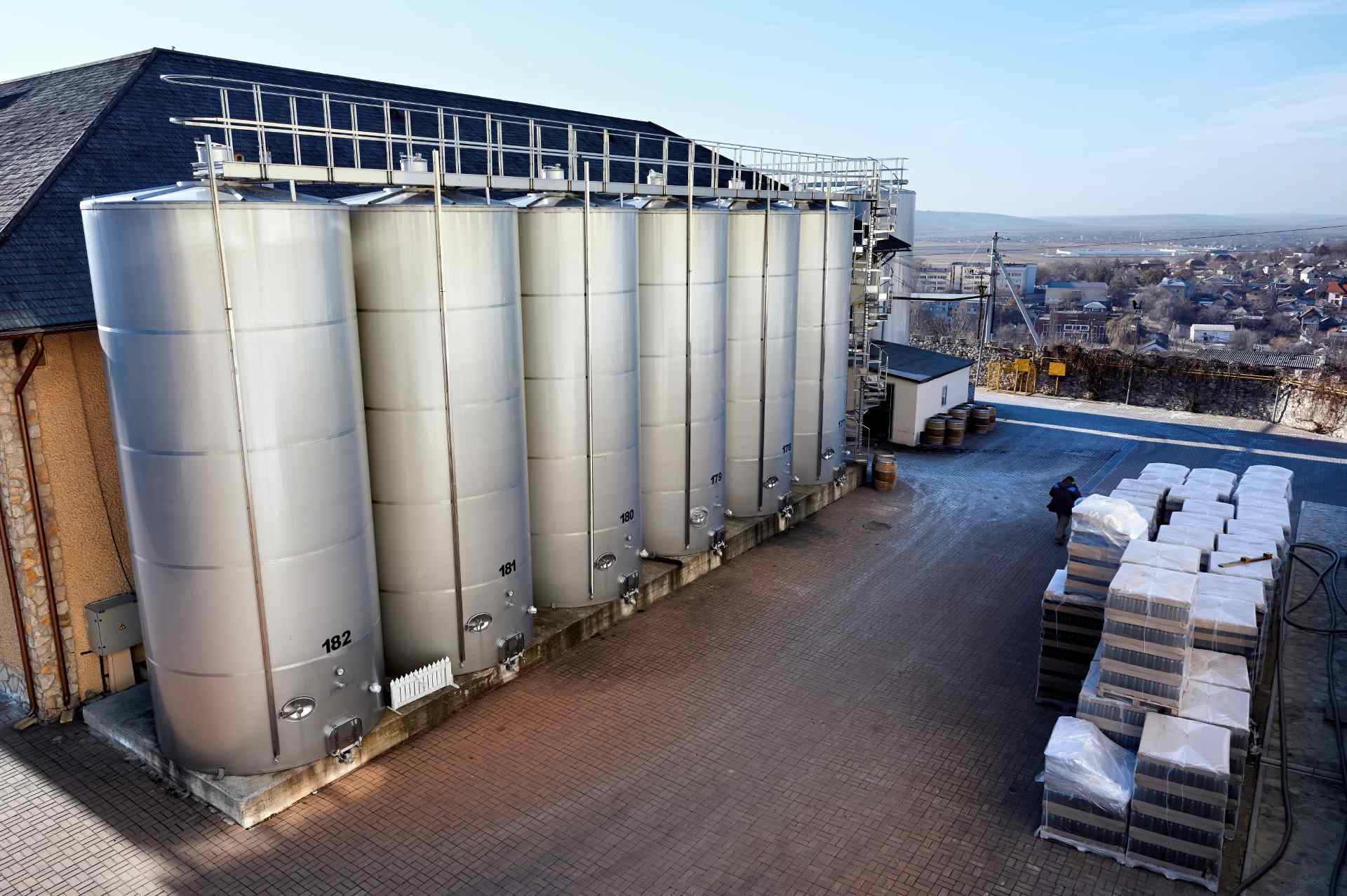
Pharmaceutical manufacturing relies heavily on the precise handling and storage of raw materials. From active pharmaceutical ingredients (APIs) to excipients and processing agents, every material used in production must be stored safely, organized properly, and protected from contamination or environmental changes. Even small inconsistencies in storage conditions can affect product quality, regulatory compliance, and manufacturing efficiency.
As pharmaceutical production continues to expand globally, the need for reliable storage systems has become more important than ever. The global pharmaceutical manufacturing market is expected to reach over $2 trillion in value by 2030, highlighting the growing scale of modern drug production.
With such large volumes of materials moving through manufacturing facilities, effective storage solutions play a crucial role in maintaining operational efficiency. Amid all, specialized storage systems, including industrial bins and silos, help manufacturers maintain organized workflows while protecting sensitive materials.
Here are several practical ways modern storage bins support raw material management in pharmaceutical facilities.
Pharmaceutical facilities often handle large quantities of powdered, granular, or bulk ingredients used during production. Without a structured storage system, these materials can quickly become difficult to manage.
Industrial storage bins provide a centralized location for storing bulk materials safely and efficiently. These bins help facilities keep raw materials organized while ensuring they remain accessible when needed.
Benefits of organized bulk storage include:
By storing bulk materials in designated containers, pharmaceutical manufacturers can maintain better control over inventory levels and avoid unnecessary disruptions during production.
Pharmaceutical facilities often operate in environments where floor space is limited. Production equipment, quality control areas, and packaging systems must all fit within the same facility.
Vertical storage solutions, such as hopper-bottom bins or silos, allow manufacturers to store large volumes of material without consuming excessive floor space. By utilizing vertical capacity, facilities can maximize storage while maintaining efficient workflows.
This approach offers several advantages:
When pharmaceutical companies invest in bulk material storage systems, procurement teams typically evaluate factors such as durability, storage capacity, and long-term operational efficiency. Large facilities need equipment that can safely store powdered or granular ingredients while supporting consistent material flow during production.
During supplier research, facility managers may also review available industrial storage equipment and compare listings for grain bins for sale, particularly hopper-bottom designs that support gravity-assisted dispensing of bulk materials. The good part? Established suppliers, such as Farm and Ranch Depot, provide such feed bins and silo-style storage systems that help businesses manage large volumes of materials while maintaining organized facility layouts. This way, efficient storage design can significantly improve how materials move through the production process.
Consistency is one of the most critical factors in pharmaceutical manufacturing. Raw materials must be measured and transferred accurately to maintain product quality and ensure compliance with regulatory standards.
Storage bins designed with controlled discharge systems allow facilities to dispense materials in precise amounts. Hopper-bottom designs are especially useful because they guide materials downward through gravity, making it easier to release controlled quantities without manual scooping or handling.
This controlled dispensing process helps manufacturers:
When raw materials can be dispensed smoothly and predictably, production teams can maintain more reliable manufacturing processes.
Many pharmaceutical ingredients are sensitive to environmental conditions such as moisture, temperature fluctuations, and airborne contaminants. Improper storage can compromise material quality and affect the final product.
Specialized storage bins help protect raw materials by providing secure, enclosed storage environments. These containers are designed to shield materials from external exposure while maintaining stable conditions.
Key protective benefits include:
Using sealed storage systems helps pharmaceutical facilities maintain the integrity of raw materials before they enter the manufacturing process.
Raw material storage is a critical component of pharmaceutical manufacturing. From protecting ingredient quality to ensuring accurate production processes, proper storage solutions help facilities maintain efficiency, compliance, and product integrity.
Industrial storage bins offer practical benefits such as organized bulk storage, controlled dispensing, environmental protection, space optimization, and long-term durability. These systems help manufacturers manage large volumes of materials while supporting reliable production workflows. Last but not least, as pharmaceutical manufacturing continues to expand and become more technologically advanced, effective storage infrastructure will remain essential.


Precision is the backbone of credible research. In laboratory settings, even small measurement errors can compound into significant discrepancies, calling entire datasets into question. Whether a …
Posted Mar 7, 2026 Biological Products
Connecting innovation decision makers to authoritative information, institutions, people and insights.

Medigy accurately delivers healthcare and technology information, news and insight from around the world.
Medigy surfaces the world's best crowdsourced health tech offerings with social interactions and peer reviews.
© 2026 Netspective Foundation, Inc. All Rights Reserved.
Built on Apr 2, 2026 at 12:49pm