

Managing Editor
@ShahidNShah
@ShahidNShah

It’s all about maintaining peak physiological performance and homeostatic resilience these days rather than just treating clinical morbidity.
Understanding the complex interplay of micronutrients is the definitive answer to this transition, and it directly affects health-conscious leaders and founders who require high cognitive output.
These tiny compounds are the biochemical catalysts and silent engines driving your daily energy and long-term cellular vitality.
Most individuals, even high performers, overlook the foundational role of vitamins and minerals until a symptomatic deficiency or biochemical bottleneck occurs.
The modern paradigm is to intercept health issues at the pre-clinical stage, which means prophylactic medicine and preventive protocols are being prioritized over reactive treatments.
So, the question we must address is: how does the systemic integration of micronutrients shape our long-term phenotype and overall health trajectory?
For nearly every complex chemical reaction within the human body, micronutrients act as essential cofactors like non-protein chemical compounds required for biological enzyme activity.
To neutralize and identify pathogenic threats, our innate and adaptive immune systems rely on the localized availability of specific minerals.
A human’s natural defenses may find it difficult to mount an effective immunological response if the body lacks adequate serum concentrations of 25-hydroxyvitamin D or ionic zinc, both of which are critical for T-cell proliferation.
Beyond immunity, these nutrients govern your neurocognitive clarity and the body’s intricate metabolic pathways.
Specifically, B-complex vitamins serve as precursors to enzymes vital for converting macronutrients (carbohydrates, fats, and proteins) into usable adenosine triphosphate (ATP) via the mitochondria.
It is a global paradox today that many populations are “overfed but undernourished” consuming excessive calories while remaining in a state of chronic micronutrient insufficiency.
This “hidden hunger” is a primary driver behind global public health initiatives seeking to mitigate subclinical deficiencies that lead to long-term metabolic syndrome.
Even though our evolutionary biology requires nutrient-dense substrates of high bioavailability, the modern environment often presents a significant nutritional mismatch.
The rise of urbanization and the industrialization of the food supply have led to diets dominated by highly processed goods that are devoid of essential trace elements.
These dietary choices frequently prioritize shelf stability and palatability over the micronutrient density required for optimal genomic expression.
Furthermore, sedentary behavior compounds this issue by altering insulin sensitivity and how our bodies partition nutrients.
As we age, the gastrointestinal epithelium undergoes changes that can lead to malabsorption syndromes, making it increasingly difficult for the body to sequester key vitamins like B12 (cobalamin) and magnesium.
To compensate for these senescent physiological changes, older adults and high-stress professionals must be more strategic regarding their nutritional bioavailability and intake.
To prevent chronic degenerative pathologies from manifesting, it is crucial to identify nutritional gaps at an asymptomatic, sub-clinical stage.
Healthcare providers now utilize precision diagnostics to monitor levels of serum ferritin (iron stores), methylmalonic acid (a sensitive marker for B12 status), and vitamin D3 during routine clinical screenings.
Certain demographics, such as those following plant-based diets or elite-level athletes, possess a unique nutritional risk profile due to increased metabolic turnover or restrictive intake.
Evidence-based laboratory testing, including advanced biomarker panels and organic acid testing, provides a comprehensive roadmap for a personalized health journey.
In the realm of internal biochemistry, it is impossible to manage or optimize what is not accurately quantified.
Relying on targeted supplementation based on objective data is far superior to the “shotgun approach” of unverified guesswork.
Factors such as genetic polymorphisms (e.g., MTHFR mutations) or chronic cortisol elevation, often seen in high-pressure leadership roles, cannot always be corrected through diet alone.
To maintain the electrolyte and mineral homeostasis required for peak cardiovascular and neurological function, a targeted supplementation protocol becomes an indispensable tool for achieving the best possible clinical outcomes.
For example, to support muscle protein synthesis and mitigate oxidative stress, athletes often utilize organic whey protein and antioxidants.
However, toxicology and posology (the study of dosage) must always be prioritized when integrating new compounds.
To avoid the risks of hypervitaminosis (nutrient toxicity), it is essential to understand the pharmacokinetics of the supplements you ingest.
Navigating the complex framework of nutraceutical regulation requires moving beyond marketing claims and consulting with a specialized health professional.
For the sophisticated health consumer, stringent quality control and analytical verification are of the utmost importance.
The global supplement industry is vast, making third-party laboratory testing for purity, potency, and the absence of microbial contaminants a necessity.
Heavy metal sequestration and unlisted fillers are common issues in lower-tier brands; therefore, pharmaceutical-grade transparency is the essence of safe supplementation.
Within the EU, strict regulatory compliance and Good Manufacturing Practices (GMP) ensure that labels accurately reflect the biochemical profile of the product.
A commitment to ethical sourcing, such as seeking out non-GMO, grass-fed, or sustainably harvested ingredients, is required to navigate the modern landscape of nutritional misinformation.
Monitoring your nutritional status in real-time has transitioned from a clinical luxury to an accessible reality due to digital health integration.
Based on a person’s daily metabolic rate and physical exertion, modern wearable biosensors can track activity levels and provide data-driven suggestions regarding micronutrient replenishment and hydration.
These devices provide a continuous stream of biometric telemetry that helps you make more informed daily lifestyle choices.
Furthermore, AI-driven personalized nutrition, the intersection of machine learning and nutrigenomics, is the next frontier for founders looking to optimize their neurocognitive endurance.
A customized meal and supplement plan can now be analyzed and generated based on your unique genetic biomarkers and metabolic footprint.
Regarding the therapeutic efficacy of high-quality micronutrients, education is the primary lever to ensure the evolution of standard-of-care medicine.
Because of the potential for superior patient outcomes, public health initiatives are shifting the focus from simple caloric counting to micronutrient-to-calorie ratios.
We are witnessing a paradigm shift where nutritional science is integrated directly into primary care protocols.
Policy-driven biofortification efforts continue to address large-scale deficiencies across diverse socio-economic groups.
Simultaneously, modern science is revisiting ancestral nutritional sources, such as desiccated organ meats like beef spleen supplement, to address iron bioavailability and heme-iron absorption.
This validation of “ancient wisdom” through the lens of modern biochemistry is significantly improving global health outcomes.
Micronutrient optimization remains a foundational, yet often overlooked, component of the preventive healthcare continuum.
By shifting the focus toward quantitative data, biochemical quality, and cellular integrity, you can take full autonomy over your long-term physiological well-being.
Investing in your micro-cellular health today is a strategic move that pays massive dividends in your future productivity, cognitive longevity, and vitality.

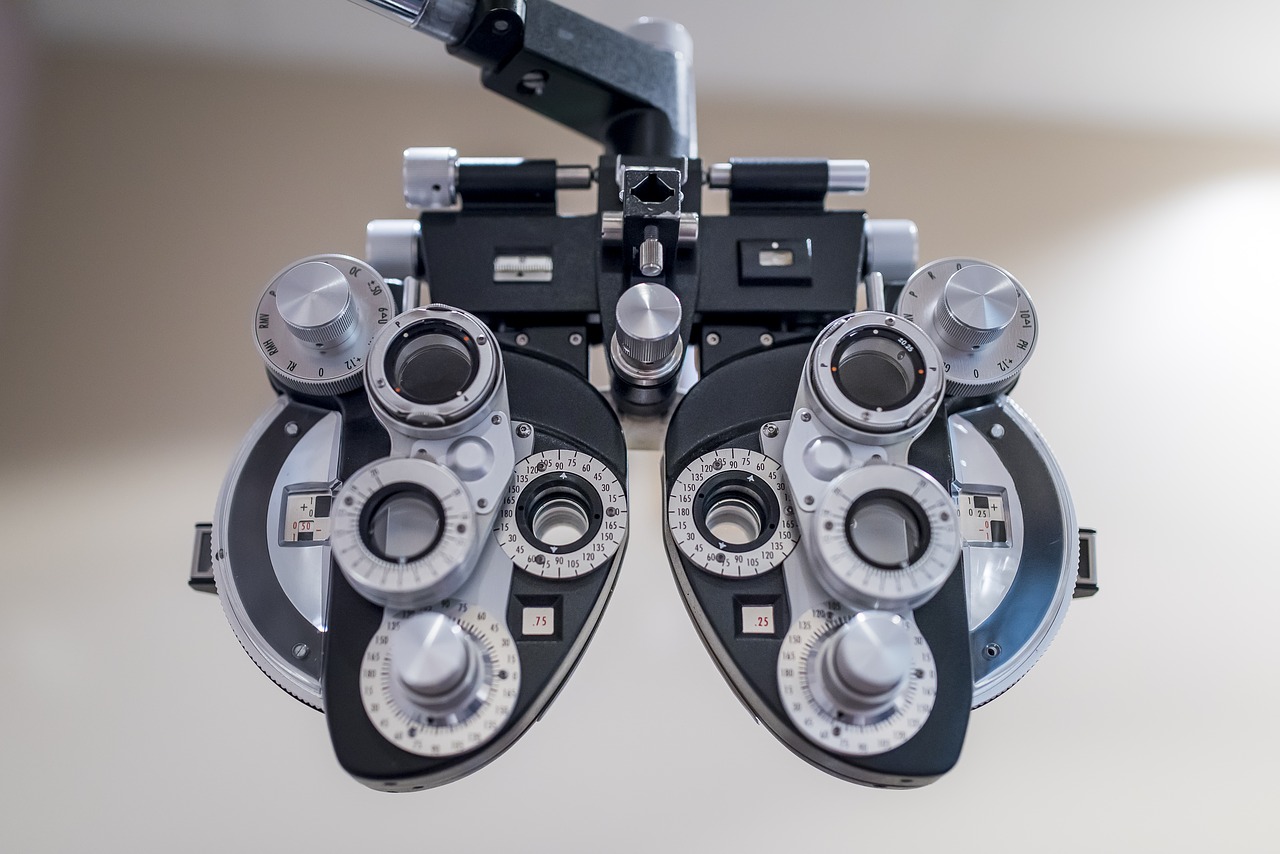
Modern medical technology has fundamentally reshaped cosmetic procedures by significantly improving precision, safety, and customization. This change is clear in global trends. Eyelid surgery has …
Posted Feb 19, 2026 Biomedical Technology Ophthalmology
Connecting innovation decision makers to authoritative information, institutions, people and insights.

Medigy accurately delivers healthcare and technology information, news and insight from around the world.
Medigy surfaces the world's best crowdsourced health tech offerings with social interactions and peer reviews.
© 2026 Netspective Foundation, Inc. All Rights Reserved.
Built on Apr 2, 2026 at 12:49pm