

Managing Editor
@ShahidNShah
@ShahidNShah
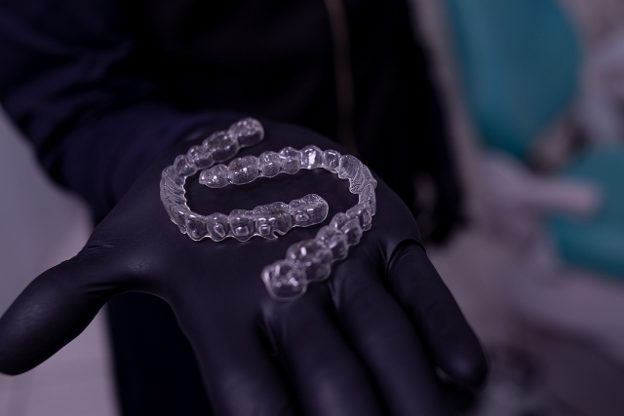
According to the American Dental Association’s 2023 orthodontic survey, clear aligner treatments like Invisalign now account for over 40% of all orthodontic cases in the United States — a dramatic shift from just 15% a decade ago. As dental technology continues advancing and patient preferences lean heavily toward discrete treatment options, the question isn’t whether clear aligners work, but whether they’re the right fit for your specific orthodontic needs.
The rise of Invisalign has fundamentally changed how people approach teeth straightening, offering an alternative that fits into busy lifestyles without the dietary restrictions and aesthetic concerns of traditional braces. Yet the convenience comes with trade-offs that many patients don’t fully understand until they’re already committed to treatment. For anyone considering orthodontic correction, understanding both the capabilities and limitations of clear aligners can determine whether you’ll achieve the results you’re hoping for — or find yourself wishing you’d chosen a different path.
The effectiveness of Invisalign treatment depends heavily on patient selection, with certain orthodontic conditions and personal factors creating much better outcomes than others. Understanding where you fall on this spectrum can save months of frustration and help set realistic expectations from the start.
Invisalign works across a broad age range, but the sweet spot typically falls between teenagers with fully erupted permanent teeth and adults whose jaw growth has stabilized. For teens, compliance becomes the critical factor — wearing aligners 20-22 hours daily requires discipline that not every adolescent possesses. Many orthodontist invisalign in Jeffersonville practitioners report that motivated teens often achieve excellent results, while those who frequently remove aligners for sports, social events, or simple forgetfulness struggle to stay on track.
Adult patients generally show higher compliance rates but face different challenges. Years of dental work — crowns, bridges, or large fillings — can complicate aligner fit and tooth movement. Additionally, adult bone density makes certain movements slower and more challenging compared to younger patients whose teeth respond more readily to gentle pressure.
Invisalign excels at treating mild to moderate spacing issues, crowding, and certain bite irregularities, but severe cases often require traditional braces or surgical intervention. Simple rotations, gap closure, and minor bite adjustments typically respond well to clear aligner therapy. However, significant overbites, underbites, or complex multi-directional tooth movements may exceed what aligners can accomplish effectively.
The key distinction lies in the type of force required. Invisalign applies gentle, consistent pressure that works well for gradual shifts but struggles with movements requiring significant vertical adjustment or root positioning. Patients with severely rotated teeth, large gaps, or complex bite relationships often achieve better results with fixed appliances that can apply targeted force in multiple directions simultaneously.
The science behind Invisalign relies on controlled biomechanical forces applied through precisely engineered plastic aligners. Each set of aligners creates specific pressure points designed to move targeted teeth in predetermined directions, typically shifting teeth 0.25 millimeters per aligner over a two-week period.
The process begins with detailed 3D imaging that captures the exact position of each tooth and surrounding bone structure. Computer modeling then calculates the optimal movement sequence, breaking down the total correction into dozens of incremental steps. This digital treatment planning allows orthodontists to preview the entire movement sequence and identify potential complications before treatment begins.
Biomechanical principles govern how teeth respond to aligner pressure. Unlike braces that can apply continuous force, aligners work through controlled pressure that peaks when first inserted and gradually decreases as teeth shift into the new position. This pressure stimulates bone remodeling — the biological process where old bone breaks down and new bone forms around moving teeth. The key to successful treatment lies in maintaining consistent pressure through disciplined wear time, as teeth quickly begin reverting to their original positions when pressure is removed for extended periods.
The technology also incorporates “attachments” — small, tooth-colored bumps bonded to specific teeth that help aligners grip more effectively and control complex movements. These attachments, while barely visible, significantly expand what clear aligners can accomplish by providing leverage points for rotations and intrusions that would be impossible with smooth plastic alone.
The advantages of clear aligners extend beyond simple aesthetics, though the cosmetic benefit remains the primary driver for most patients choosing Invisalign over traditional orthodontics.
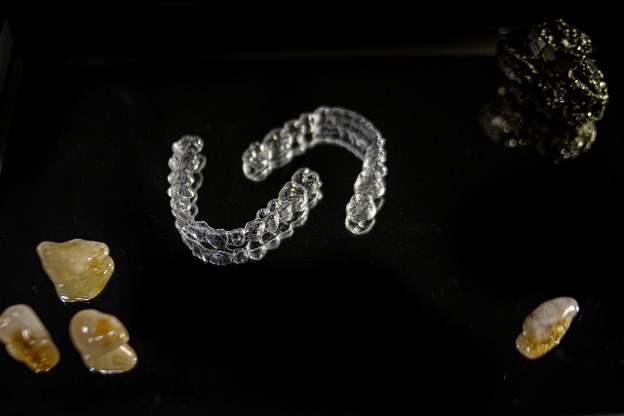
The near-invisibility of clear aligners addresses the social concerns that keep many adults from pursuing orthodontic treatment. Professional environments where appearance matters — from sales presentations to client meetings — become less problematic when orthodontic appliances are barely detectable. This psychological comfort often translates into improved confidence throughout treatment rather than the self-consciousness many experience with metal braces.
Removability creates lifestyle flexibility that fixed appliances simply cannot match. Eating becomes unrestricted — no avoiding popcorn, nuts, or sticky foods that plague braces wearers. Important social events, photo sessions, or professional presentations allow for temporary removal without compromising treatment progress, provided overall wear time remains consistent.
Speech adaptation also occurs more quickly with aligners. While both braces and aligners can initially affect pronunciation, the smooth plastic surfaces of aligners cause less tongue interference than brackets and wires. Most patients report normal speech within days rather than the weeks sometimes required with traditional appliances.
Oral hygiene maintenance represents perhaps the most significant practical advantage of removable aligners. Brushing and flossing continue normally without navigating around brackets and wires, reducing the risk of cavities and gum inflammation common during braces treatment. Research from the Journal of Clinical Periodontology shows that patients wearing removable aligners maintain better periodontal health throughout treatment compared to those with fixed appliances.
Comfort levels differ markedly between the two treatment types. While both cause initial discomfort as teeth begin moving, aligners eliminate the cuts, scrapes, and irritation from metal components. The smooth plastic rarely causes the emergency dental visits that sometimes occur when braces break or wires shift unexpectedly.
Root resorption — a rare but serious condition where tooth roots shorten during movement — occurs less frequently with the gentler forces applied by clear aligners compared to traditional braces, according to orthodontic outcome studies.
Despite their advantages, clear aligners come with constraints that can significantly impact treatment outcomes for certain patients. Understanding these limitations upfront helps avoid disappointment and treatment delays.
Compliance dependency creates the biggest challenge for many patients. Unlike braces that work continuously, aligners only function when worn. Missing the recommended 20-22 hours daily — even by just a few hours consistently — can extend treatment time significantly or prevent proper tooth movement entirely. Patients who frequently forget to reinsert aligners after meals or remove them for extended social situations often struggle to achieve predicted results.
Treatment duration can be unpredictable, particularly for complex cases. While simple corrections may finish faster than traditional braces, complicated movements often require additional aligner sets beyond the initial treatment plan. Mid-course corrections, called “refinements,” are common and can add months to the original timeline.
Attachment visibility surprises many patients who expect completely invisible treatment. These small bumps, while tooth-colored, become noticeable up close and can trap stains from coffee or wine. Some patients find the texture bothersome against their tongue or inner lips.
Certain movements remain challenging or impossible with current aligner technology. Significant tooth intrusion, complex rotations of rounded teeth, and movements requiring precise root positioning may not achieve the same predictability as traditional orthodontics. Additionally, patients with extensive dental work may experience poor aligner fit, reducing treatment effectiveness.
Successful Invisalign treatment requires active patient participation beyond simply wearing the aligners. Developing consistent habits and understanding the treatment process can significantly improve outcomes and reduce complications.
Wear time consistency makes the difference between successful treatment and prolonged frustration. Setting phone reminders for reinsertion after meals, keeping aligners in their case when removed, and tracking daily wear hours helps maintain the discipline required for proper tooth movement. Many successful patients report treating aligner wear like a medication schedule — non-negotiable and consistent.
Proper cleaning routines prevent bacterial buildup and maintain aligner clarity. Rinsing aligners with cool water and brushing them gently with a soft toothbrush removes plaque and food particles. Avoiding hot water prevents warping, while specialized cleaning tablets can eliminate stubborn stains and odors.
Progress monitoring through regular check-ins helps identify problems before they derail treatment. Aligners should feel progressively looser throughout each two-week period, indicating proper tooth movement. Persistent tightness or pain may signal tracking problems that require professional adjustment.
Communication with your orthodontic team becomes crucial when challenges arise. Early intervention can address fit issues, attachment problems, or compliance difficulties before they significantly impact treatment timelines. The most successful patients actively engage in their treatment rather than passively following instructions.
Building these habits early in treatment creates momentum that carries through the entire process. As your teeth gradually shift into their ideal positions, you’ll likely find that what initially felt demanding becomes second nature — setting the foundation for maintaining your new smile long after treatment ends.


Healthcare has long operated with nutrition and mental health in separate silos — one in the domain of dietitians and primary care, the other of psychiatrists and behavioral health specialists. That …
Posted Apr 8, 2026 Healthcare Health Technology Dietitians and Nutritionists Wellness & Prevention
Connecting innovation decision makers to authoritative information, institutions, people and insights.

Medigy accurately delivers healthcare and technology information, news and insight from around the world.
Medigy surfaces the world's best crowdsourced health tech offerings with social interactions and peer reviews.
© 2026 Netspective Foundation, Inc. All Rights Reserved.
Built on Apr 8, 2026 at 1:06pm