

Managing Editor
@ShahidNShah
@ShahidNShah

After you return home, small changes in memory or mood can be difficult to recognize. So write down each change as it happens and note the date, because symptoms can appear after initial improvement. A dated diary hands clinicians specifics you would probably forget otherwise: needing help with a familiar task, say, or losing the thread of a conversation you once followed easily.
Set current abilities beside how life looked before the exposure, and keep your medical documents close. If urgent symptoms show up, though, go for medical care. Don’t reach for the diary.
Delayed neuropsychiatric syndrome, or DNS, is a cluster of new or returning cognitive or emotional problems, sometimes with behavioral or movement changes, that surface after a period of improvement. Gustavsen et al., 2024, estimate in a clinical report in the Journal of the Norwegian Medical Association that among adult survivors of acute poisoning, up to 50% develop DNS. That figure is an upper estimate. It does not predict what your recovery will look like.

The timing alone makes these changes confusing. A person improves, then regresses weeks later. When you document carbon monoxide poisoning long-term effects, include details of the brain injuries that can follow exposure, from cognitive deficits to movement and balance problems. A diary still cannot replace urgent assessment or scheduled follow-up care.
Harm happens during the exposure itself, and no universal time threshold exists, since concentration and individual vulnerability differ. Fatal poisoning can involve headache or nausea before unconsciousness, but experiences vary, and no one should assume it is painless. Suspected poisoning requires emergency evaluation.
Symptoms can stem from several conditions at once. Clinicians weigh exposure history and examination findings together with testing, medications, and other health conditions. A normal test result, or a discharge that seemed reassuring at first, does not make self-diagnosis or self-treatment safe. Stick to your discharge plan, and report new or worsening symptoms, including ones that come back.
Write down the exposure date, roughly what time it happened, and where. Jot down when you left and your best guess at the source, like a heater or generator. Keep hospital details, discharge instructions, and test results together, then add medication changes and referral dates.
Don’t re-enter for records. Emergency services or the appropriate utility or safety authority should determine whether the area is safe.
Describe specific abilities before exposure; don’t just write “normal.” How did you remember conversations? How did you handle appointments? Include usual mood and sleep patterns, then describe walking or driving and handling household responsibilities. Describe communication and work or school performance in concrete terms.
A family member who regularly observed your routines can help if your recall is uncertain. Use facts, not labels. “Needed three reminders for a familiar appointment” gives a clinician a frequency to test against; “seemed mentally worse” leaves nothing to measure.
Use the same fields each time. A rating scale can show change within one person, but it cannot compare people or determine whether a symptom is dangerous.
| Field | What to record |
|---|---|
| Date and time | When the symptom began and ended |
| Observation | What happened, using neutral and specific language |
| Severity | A consistent 0-to-10 rating, if helpful |
| Context | Activity; recent sleep or meals; medication or stress near the episode |
| Functional effect | What you couldn’t do or needed help doing |
| Action taken | Rest; contact with a clinician; an appointment or emergency care |
| Observer | Who noticed it, such as the survivor or caregiver |
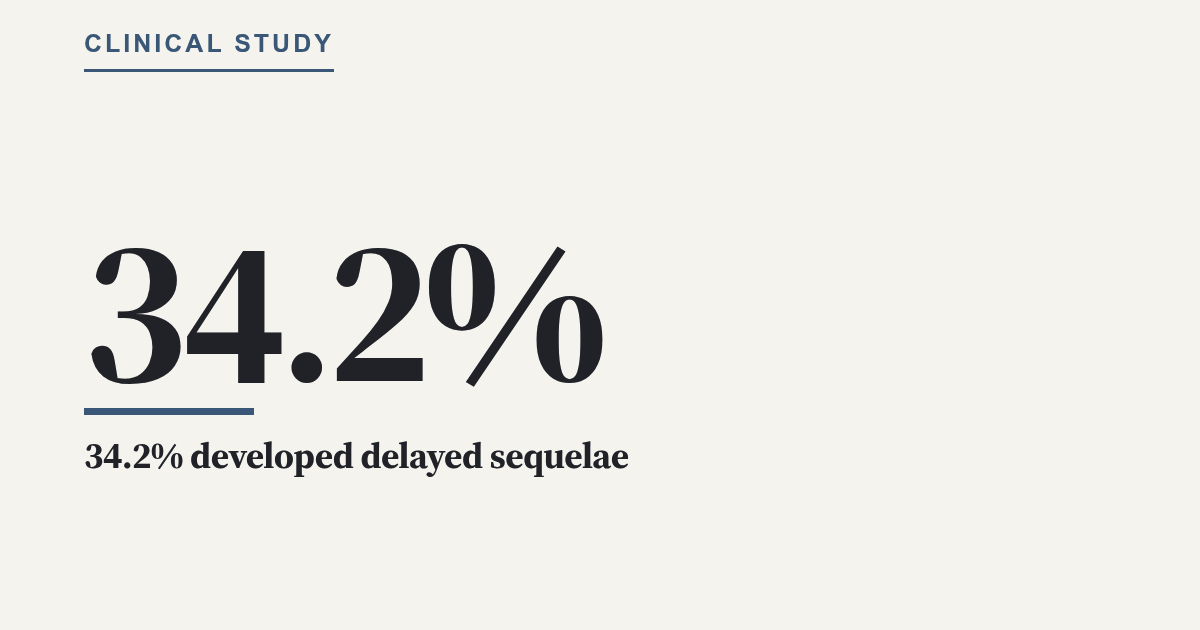
Carbon monoxide poisoning symptoms weeks later deserve medical attention. Choi’s 1983 report described delayed neurological effects two to 40 days after an incident. A 2024 Frontiers in Medicine study of 73 patients with acute poisoning found that 34.2% developed delayed neuropsychiatric sequelae within six weeks after discharge. These findings aren’t a personal recovery schedule.
For memory problems after carbon monoxide poisoning, record forgotten information and any difficulty concentrating. Planning and processing speed can suffer too. So can motor skills and visual-spatial abilities, such as judging distances between nearby objects. Note slowed thinking in concrete moments, like needing longer to follow familiar instructions.
For behavior changes after carbon monoxide exposure, describe unusual irritability or apathy, meaning reduced interest. Document signs of depression or personality changes with specific incidents, and leave the diagnosis to your clinician. Separately note tremor or unsteady walking and new coordination problems.
Date each incident and note any help you needed. Useful observations include:
“Needed help paying the electricity bill” points to a task, a date, and a person who stepped in. “Couldn’t function” points nowhere.
Keep originals unchanged. Arrange copies chronologically, including discharge papers with laboratory and imaging reports. Save medication lists and referrals with appointment notes; add work absence records or school accommodations and caregivers’ written observations.
Before an appointment, pick the change that concerns you most and note when it started. Describe how often it happens and its effect on daily activity. Bring the diary and discharge records, with a brief summary of the main concern.
Ask whether the change could relate to the prior exposure and whether neurological or cognitive assessment would help. Discuss mental health concerns and possible balance or rehabilitation needs. Ask which symptoms require emergency care and when follow-up should occur. Let the treating professional decide which tests or treatments fit your examination findings.
Call emergency services for trouble breathing or chest pain. Fainting or a seizure needs emergency help too, as does severe confusion or an inability to wake. New weakness, loss of coordination, or rapidly worsening symptoms need emergency assessment. Don’t wait to finish writing.
If ongoing exposure is possible, move to fresh air only if you can do so safely. Don’t re-enter the space.
Contact a clinician promptly for new or worsening memory or concentration problems after discharge. Changes in mood or behavior and difficulties walking or balancing need prompt attention too, even without immediately life-threatening symptoms. A low diary rating doesn’t make these changes safe to ignore. Bring the discharge paperwork and symptom timeline to the evaluation, but never delay emergency care to collect documents.
No two recovery timelines look the same after carbon monoxide poisoning. Exposure circumstances, illness severity, age, health history, and the organs affected all shape the course. The brain can improve over time, but recovery may remain incomplete; some survivors experience lasting or permanent effects.
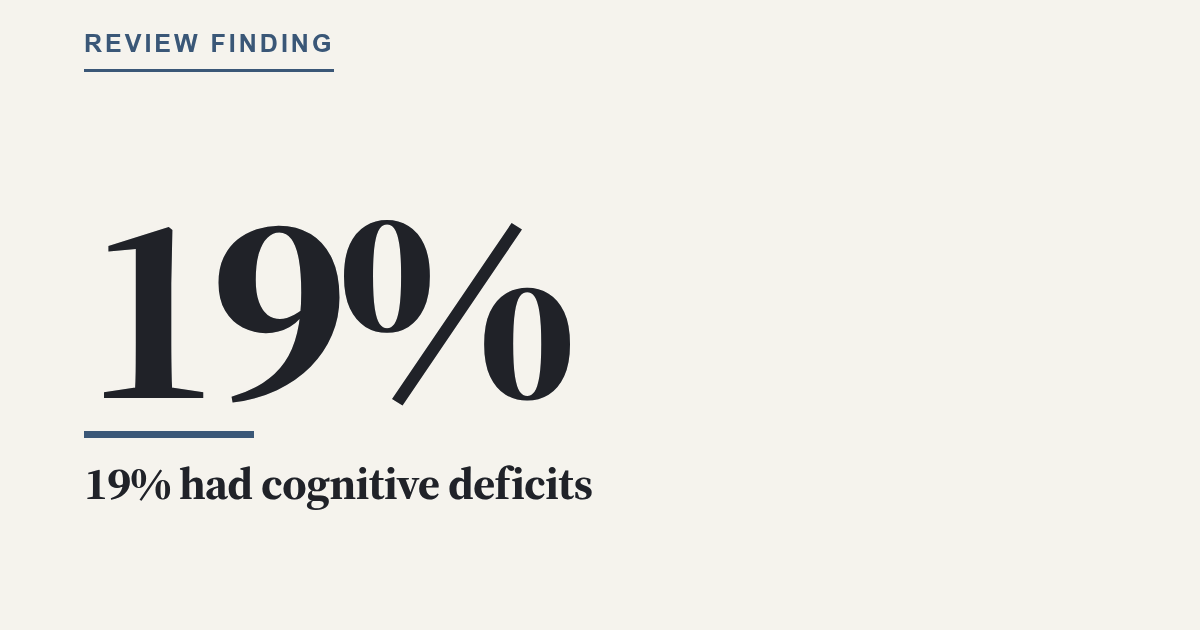
A 2020 review reports evidence that 19% had cognitive deficits and 37% had neurological deficits after carbon monoxide poisoning. Zhang et al., 2024, found in a meta-analysis in Psychiatry Investigation a 2.61-fold higher dementia risk among people with prior poisoning compared with those without it.
These population findings support continued clinical attention, but they cannot forecast your outcome or prove that poisoning caused a later illness. Your diary cannot establish permanence. You shouldn’t assume you can recover safely without professional evaluation, even after symptoms improve and you return home.
A useful record connects your pre-exposure abilities with dated observations and their effects on daily life. It includes medical documents and the actions you took, such as calling a clinician after a new memory lapse. Specific incidents give your care team something concrete to assess, without anyone mistaking the diary for a diagnosis. You don’t need polished writing: a dated account of a missed appointment is useful. Place the diary and discharge papers together before your next appointment.


Knee pain can gradually change how you walk, perform work, exercise, and do your daily activities. Rest often eases pain. Chronic joint pain can point to joint damage. Most knee problems resolve with …
Posted Sep 30, 2026 General Surgery
Connecting innovation decision makers to authoritative information, institutions, people and insights.

Medigy accurately delivers healthcare and technology information, news and insight from around the world.
Medigy surfaces the world's best crowdsourced health tech offerings with social interactions and peer reviews.
© 2026 Netspective Foundation, Inc. All Rights Reserved.
Built on Oct 22, 2026 at 6:05pm