

Managing Editor
@ShahidNShah
@ShahidNShah
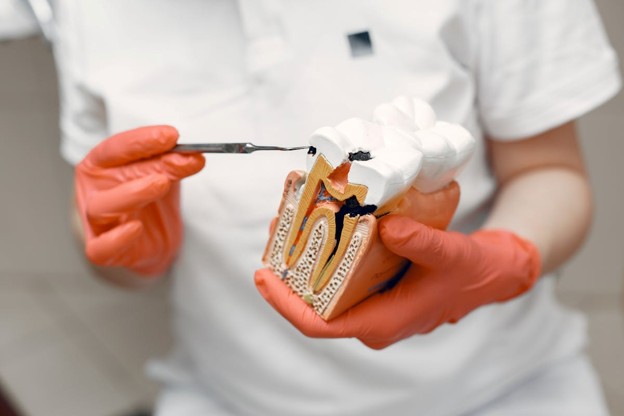
Root canal procedures succeed in over 95% of cases according to the American Association of Endodontists‘ 2023 clinical data, yet the recovery experience varies dramatically from patient to patient. While one person might return to normal eating within days, another could struggle with discomfort for weeks — and much of this difference comes down to how well they manage the healing process. As dental technology has made root canal treatment more comfortable and efficient, the focus has shifted toward optimizing recovery protocols that can significantly reduce both pain duration and complication rates.
For the millions of Americans who undergo root canal treatment each year, the days following the procedure represent a critical window. The choices you make about pain management, diet, oral hygiene, and activity level during this period don’t just affect your comfort — they influence whether your treatment achieves its full potential for long-term success. Understanding how to navigate each phase of recovery can mean the difference between a smooth healing process and weeks of unnecessary discomfort.
Recovery from root canal treatment unfolds in distinct phases, each with its own characteristics and requirements. The immediate post-procedure period — roughly the first 24 to 48 hours — typically brings the most intense sensations as local anesthesia wears off and your body begins responding to the treatment. During this phase, you’ll likely experience some throbbing or aching in the treated tooth, along with possible sensitivity to pressure. This discomfort usually peaks within the first day and represents a normal inflammatory response as tissues begin healing.
The intermediate recovery phase spans days three through seven. Most patients find this period more manageable, with pain levels dropping noticeably. However, the treated tooth may still feel different from your other teeth — slightly tender when biting down or sensitive to temperature changes. This sensitivity reflects the ongoing healing process inside the tooth and surrounding tissues. Many people mistakenly interpret these sensations as signs of treatment failure, but they’re actually indicators that your body is working to repair the affected area.
The final healing phase extends from the second week through the first month. During this period, any remaining sensitivity should gradually fade, and the tooth should begin feeling normal again. The temporary filling placed immediately after treatment may feel slightly rough or high, but this typically resolves as you adjust to it or when your permanent restoration is placed.
By understanding these phases, you can set realistic expectations and recognize when your recovery is progressing normally. Most patients find that knowing what to expect reduces anxiety and helps them make better decisions about managing their comfort throughout the process.
Effective recovery management requires addressing pain and swelling while maintaining proper oral hygiene — a balance that demands careful attention to both comfort and cleanliness.
Pain management after root canal treatment works best with a proactive approach. Over-the-counter anti-inflammatory medications like ibuprofen often provide the most effective relief because they address both pain and the underlying inflammation causing it. Taking 600 to 800 milligrams every six hours, as long as you don’t have contraindications, typically manages discomfort better than waiting for pain to become severe.
Ice application during the first 24 hours can significantly reduce swelling and provide additional pain relief. Apply an ice pack to the outside of your cheek for 15-minute intervals, with 15-minute breaks between applications. Avoid placing ice directly on your skin, and don’t continue ice therapy beyond the first day, as prolonged cold can actually slow tissue healing.
Rest positioning also influences comfort levels. Keeping your head elevated while sleeping or resting helps reduce blood flow to the affected area, minimizing throbbing sensations. Many patients find that sleeping with an extra pillow provides noticeable relief during the first few nights.
Gentle brushing becomes essential during recovery, but technique matters more than frequency. Use a soft-bristled toothbrush and avoid vigorous scrubbing around the treated tooth. Focus on removing plaque and food particles without applying excessive pressure that could irritate healing tissues.
Flossing should continue, but approach the treated area with extra care. If your dentist placed a temporary filling, be gentle around its edges to avoid dislodging it. The goal is to maintain cleanliness while avoiding trauma to sensitive tissues.
Saltwater rinses provide both cleaning and healing benefits. Mix half a teaspoon of salt in warm water and gently swish it around your mouth for 30 seconds, focusing on the treated area. This natural antiseptic helps reduce bacteria while promoting tissue repair. Use this rinse two to three times daily, especially after meals.
Your diet during root canal recovery plays a crucial role in both comfort and healing speed. The right food choices can minimize irritation while providing nutrients that support tissue repair, while poor dietary decisions can prolong discomfort and potentially compromise healing.
Soft, nutrient-rich foods form the foundation of an optimal recovery diet. During the first few days, focus on options like smoothies, yogurt, soup, mashed potatoes, and scrambled eggs. These foods provide essential proteins and vitamins without requiring aggressive chewing that could stress the treated tooth. Avoid anything that requires significant bite force or could get lodged in the temporary filling.
Temperature considerations matter more than many patients realize. Room temperature or slightly cool foods typically feel most comfortable during the first week. Very hot foods can increase sensitivity and potentially worsen inflammation, while extremely cold items might trigger sharp pain in the treated tooth. Lukewarm broths and soups often provide both comfort and nutrition during the acute recovery phase.
Hydration accelerates healing by supporting your body’s natural repair processes and helping flush bacteria from your mouth. Aim for at least eight glasses of water daily, but avoid using straws during the first 24 hours, as the suction can increase bleeding and discomfort. Room temperature water usually feels most comfortable, and staying well-hydrated helps your body process any medications you’re taking for pain management.
Nutrient timing can optimize healing. Vitamin C supports tissue repair, while protein provides building blocks for new cellular growth. Including foods rich in these nutrients — like citrus fruits (once you can tolerate them), leafy greens, and lean proteins — helps your body rebuild the tissues affected by treatment. However, avoid acidic foods during the first few days when sensitivity is highest.
Individual factors significantly influence how quickly and completely you recover from root canal treatment, and understanding these variables helps set realistic expectations while identifying opportunities to optimize your healing process.
Age and overall health create the foundation for recovery speed. Younger patients typically heal faster due to more robust circulation and cellular regeneration, while those with compromised immune systems or chronic conditions like diabetes may experience longer recovery periods. Diabetic patients, in particular, face increased infection risk and slower tissue healing, making meticulous oral hygiene and blood sugar control essential during recovery. If you’re managing diabetes, working closely with both your dentist and physician ensures coordinated care that supports optimal healing.
Pre-existing dental conditions also influence recovery outcomes. Teeth with severe infections prior to treatment often require longer healing times, as surrounding tissues need additional time to recover from the inflammatory process. Similarly, patients with multiple infected teeth may experience more complex recoveries, particularly if treatments are performed close together in time.
Lifestyle factors play equally important roles. Smoking dramatically impairs healing by reducing blood flow to oral tissues and compromising your immune response. Smokers typically experience longer recovery times and higher complication rates. Similarly, excessive alcohol consumption can interfere with medication effectiveness and slow tissue repair. For optimal recovery, consider temporarily modifying these habits or discussing alternatives with your healthcare provider.
Medication compliance and follow-up care significantly impact outcomes. Taking prescribed antibiotics exactly as directed helps prevent infection, while following pain management recommendations keeps you comfortable enough to maintain proper oral hygiene. Perhaps most importantly, attending follow-up appointments allows your dentist to monitor healing progress and identify any issues before they become complications. When patients consult with an experienced root canal dentist in Mukilteo, they often receive personalized recovery protocols that account for their specific risk factors and medical history.
Stress levels during recovery also influence healing speed. High stress elevates cortisol levels, which can impair immune function and slow tissue repair. Managing stress through adequate sleep, gentle activities, and relaxation techniques supports your body’s natural healing processes.
Several persistent misconceptions about root canal recovery can lead patients to make poor decisions or miss important warning signs that require professional attention.
The “pain equals failure” misconception causes unnecessary anxiety for many patients. Some discomfort after root canal treatment is normal and expected — it doesn’t indicate that the procedure failed or that you need additional treatment. However, distinguishing between normal healing discomfort and concerning symptoms requires understanding the difference. Normal post-procedure pain gradually decreases over several days, responds to over-the-counter medications, and doesn’t worsen with time.
Timing expectations often prove unrealistic. Many patients expect to feel completely normal within 24 hours, but healing typically requires several days to weeks. This timeline varies based on the complexity of your case and individual healing factors. Setting realistic expectations prevents disappointment and helps you make informed decisions about activity levels and pain management.
Warning signs that require immediate dental attention include severe, worsening pain that doesn’t respond to medication, significant swelling that extends beyond the immediate treatment area, fever above 101°F, or visible pus around the treated tooth. These symptoms suggest possible infection or other complications that need prompt professional evaluation.
The temporary filling misconception leads some patients to avoid the treated tooth entirely, thinking they’ll damage something. While you should chew carefully, completely avoiding the treated side can create bite problems and isn’t necessary for most patients. Your temporary filling is designed to withstand normal eating, though you should avoid especially hard or sticky foods.
Antibiotic assumptions create another common pitfall. Not every root canal patient needs antibiotics — your dentist prescribes them based on specific clinical indicators. Taking leftover antibiotics from previous treatments or stopping prescribed antibiotics early can actually increase infection risk rather than prevent it.
Recovery success depends largely on recognizing that some discomfort is part of the healing process while remaining alert to signs that something requires professional attention. The key lies in understanding your body’s signals and maintaining open communication with your dental care team throughout the recovery period.


The Depo-Provera brain tumor lawsuit claims that long-term use of the birth control shot may increase the risk of developing certain brain tumors. These cases focus on whether drug manufacturers …
Posted Apr 21, 2026 Neurology #HealthLaw
Connecting innovation decision makers to authoritative information, institutions, people and insights.

Medigy accurately delivers healthcare and technology information, news and insight from around the world.
Medigy surfaces the world's best crowdsourced health tech offerings with social interactions and peer reviews.
© 2026 Netspective Foundation, Inc. All Rights Reserved.
Built on Oct 23, 2026 at 5:05am