

Managing Editor
@ShahidNShah
@ShahidNShah
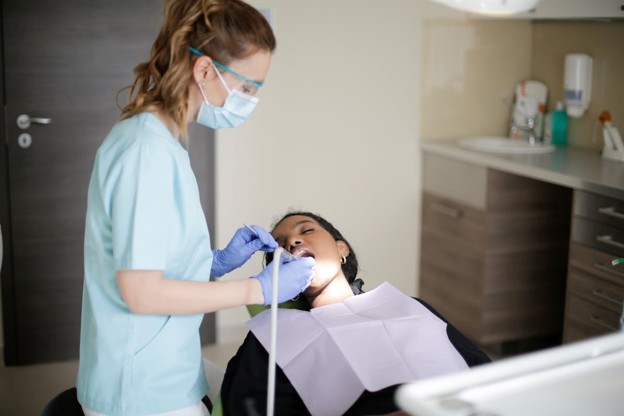
Nearly 75% of families today require some form of orthodontic intervention across multiple generations—yet most parents spend less than 30 minutes researching their orthodontist choice before committing to treatment that can span years. According to the American Association of Orthodontists’ 2024 report, families who select specialists based on comprehensive evaluation criteria achieve 40% better treatment outcomes and 25% shorter overall treatment times compared to those who choose based on convenience alone.
This shift toward family-focused orthodontic care isn’t accidental. Modern orthodontics recognizes that treating multiple family members simultaneously creates opportunities for coordinated care, shared education, and often more effective early intervention strategies. Families in Passaic County seeking comprehensive support can benefit from family orthodontic services that streamline care for all ages. With so many practices available, having a trusted approach ensures the best outcomes for every family member.
The stakes here extend beyond straight teeth. Poor orthodontist selection can result in extended treatment timelines, missed opportunities for early intervention, and thousands of dollars in additional costs. More importantly, it can affect jaw development, speech patterns, and long-term oral health across your entire family. Here’s what you need to know to make an informed decision that serves your family’s orthodontic needs both now and in the future.
Family orthodontic services represent a comprehensive approach to treating multiple family members’ alignment and bite issues under coordinated care. Unlike traditional orthodontics that treats patients individually, this model considers genetic patterns, shared environmental factors, and coordinated treatment timelines that can benefit the entire household.
The importance becomes clear when you examine the genetics of orthodontic issues. Research published in the *Journal of Orthodontics* shows that 60-80% of malocclusions have hereditary components, meaning if one family member requires treatment, others likely will too. Family orthodontic services allow practitioners to identify these patterns early, often catching issues in younger children that might otherwise go unnoticed until more complex intervention becomes necessary.
Consider a typical scenario: parents bringing in their 12-year-old for braces discover through comprehensive family evaluation that their 8-year-old shows early signs of crowding, while they themselves could benefit from adult treatment they’ve delayed for years. Traditional individual treatment would address these separately, potentially missing opportunities for coordinated timing that could reduce overall treatment duration and cost.
The coordinated approach also creates educational advantages. When entire families understand proper oral hygiene during orthodontic treatment, compliance rates increase significantly. Children learn from observing their parents’ commitment to treatment, while parents gain deeper appreciation for the process their children experience. This shared understanding leads to better outcomes across all family members receiving care.
Family orthodontic treatments operate on the principle that coordination creates efficiency. Traditional metal braces remain the most versatile option for complex cases across age groups, offering predictable results for severe crowding, significant bite issues, or cases requiring precise tooth movement. Modern metal braces have evolved considerably—they’re smaller, more comfortable, and often incorporate heat-activated wires that reduce adjustment frequency.
Clear aligners have revolutionized adult and teen treatment, offering nearly invisible correction for mild to moderate alignment issues. The technology works particularly well for families where adults feel self-conscious about visible orthodontics while maintaining professional appearances. However, aligners require discipline and aren’t suitable for all cases—severe rotations, significant bite corrections, or complex jaw positioning often necessitate traditional approaches.
Palatal expanders represent a critical early intervention tool, most effective in children before growth spurts complete. These appliances gradually widen the upper jaw, creating space for proper tooth alignment and often eliminating the need for future extractions. When identified early through family evaluation, expander treatment can dramatically simplify subsequent orthodontic needs for siblings showing similar jaw development patterns.
Retainers complete every orthodontic journey, maintaining achieved results permanently. Family practices often coordinate retainer delivery and replacement schedules, ensuring consistent follow-up care that prevents relapse—a common problem when patients transition between different providers.
Orthodontic treatment’s effects extend far beyond tooth alignment, influencing facial development, breathing patterns, and long-term oral health in ways that multiply across family genetics. Jaw development occurs predictably during childhood and adolescence, creating windows of opportunity that close permanently once growth completes.
Early orthodontic intervention can guide jaw growth in favorable directions, often preventing surgical needs later. When one family member requires surgical correction due to missed early intervention opportunities, this information becomes crucial for treating younger siblings. Family orthodontists track these patterns, implementing preventive strategies based on observed family traits.
The relationship between orthodontics and airway development has gained significant research attention. Narrow palates and crowded teeth often correlate with restricted breathing patterns that can affect sleep quality, academic performance, and overall health. Family treatment approaches can identify these patterns early, addressing them before they become established problems affecting multiple family members.
Proper bite alignment also impacts TMJ function, tooth wear patterns, and gum health throughout life. Families sharing genetic predispositions to bite problems benefit from coordinated treatment that addresses root causes rather than just symptoms, creating lasting stability that reduces future dental complications.
Board certification represents the fundamental starting point for orthodontist evaluation. In New Jersey, legitimate orthodontic specialists complete dental school plus 2-3 years of additional orthodontic residency training, followed by board certification through the American Board of Orthodontics. Verify this credential directly—general dentists sometimes offer orthodontic services with minimal additional training, creating risks for complex cases or family-coordinated treatment.
Experience with family care requires specific inquiry during consultations. Ask potential orthodontists how many families they currently treat simultaneously, how they coordinate treatment timelines between family members, and what systems they use for tracking genetic patterns across generations. Practices experienced in family care should demonstrate clear protocols for these scenarios and provide examples of successful family treatment outcomes.
Technology integration affects both treatment precision and family convenience. Modern orthodontic practices should offer digital impressions (eliminating messy traditional molds), 3D treatment planning software that allows families to visualize expected outcomes, and patient portal systems that facilitate communication and appointment scheduling for multiple family members. However, technology shouldn’t replace fundamental orthodontic expertise—it should enhance it.
Treatment customization separates excellent family orthodontists from adequate ones. Look for practitioners who discuss how each family member’s treatment plan considers the others’ progress, coordinate timing for optimal family outcomes, and adjust approaches based on observed genetic patterns within your family. Cookie-cutter approaches ignore the fundamental advantages of family orthodontic care.
Patient education approaches become critical when treating multiple family members with varying ages and cooperation levels. Effective family orthodontists demonstrate clear communication strategies for different age groups, provide educational materials that work for children and adults, and create systems ensuring all family members understand their role in treatment success. This educational coordination often determines treatment outcomes more than technical skills alone.
Pediatric orthodontics (ages 7-11) focuses primarily on interceptive treatment—guiding jaw development and creating space for permanent teeth. Children this age respond remarkably well to growth modification appliances like expanders, headgear, or functional appliances that harness natural growth patterns. The American Association of Orthodontists recommends evaluation by age 7 specifically because early intervention can prevent complex problems that would require extensive treatment later.
Treatment compliance presents unique challenges with younger children, making family coordination particularly valuable. When older siblings or parents model good orthodontic habits, younger family members typically demonstrate better cooperation. Pediatric appliances are often removable, requiring consistent family reinforcement to ensure proper wear time.
Adolescent treatment (ages 12-18) represents the traditional orthodontic sweet spot when most permanent teeth have erupted but growth continues. This age group typically receives comprehensive treatment with braces or aligners, addressing both alignment and bite correction simultaneously. Teenagers benefit significantly from seeing family members successfully complete treatment, reducing anxiety and improving compliance with oral hygiene requirements.
Social considerations become paramount during adolescence. Clear aligners offer advantages for teens concerned about appearance, but require maturity for proper compliance. Traditional braces remain more predictable for complex cases and don’t depend on patient discipline for effectiveness. Family orthodontists help navigate these decisions considering each teenager’s personality and treatment complexity.
Adult orthodontic treatment has expanded dramatically, with adults now representing 25% of orthodontic patients. Adult treatment typically takes longer due to completed bone development but offers the advantage of excellent compliance and realistic expectations. Adults often pursue treatment after seeing positive results in their children, creating natural family treatment sequences.
Adult considerations include existing dental work (crowns, implants, or previous orthodontics), gum health status, and professional appearance requirements. Family practices coordinate adult treatment timing with children’s care, often scheduling appointments together for convenience and cost efficiency. Adults also serve as excellent compliance models for younger family members undergoing treatment.
Digital treatment planning has revolutionized family orthodontic care by allowing precise prediction and coordination of outcomes across multiple family members. 3D imaging technology creates detailed models of each patient’s teeth and jaws, enabling orthodontists to simulate treatment outcomes before beginning. For families, this means better coordination of treatment timelines and more accurate cost projections across multiple cases.
Research published in the *American Journal of Orthodontics and Dentofacial Orthopedics* demonstrates that families receiving coordinated treatment achieve 23% better long-term stability compared to individual treatment approaches. The study followed 500 families over 10 years, showing that shared care protocols and coordinated retention strategies significantly reduce relapse rates across all family members.
Clear aligner technology continues advancing rapidly, with newer systems offering improved precision for complex movements previously requiring traditional braces. Recent innovations include features specifically designed for family practices: coordinated treatment software that tracks progress across multiple family members, shared educational apps that gamify compliance for younger patients, and family portal systems that allow parents to monitor children’s treatment progress remotely.
Artificial intelligence integration in orthodontics shows particular promise for family care. AI systems can identify genetic patterns in dental development across family members, predict optimal treatment timing for younger siblings based on older children’s outcomes, and suggest coordinated treatment approaches that maximize efficiency and results. Early adoption practices in Passaic County are beginning to offer these capabilities.
Accelerated orthodontics represents another advancing field affecting family treatment decisions. Techniques like micro-osteoperforation, photobiomodulation, or vibration devices can reduce treatment time by 30-50% in appropriate cases. For families treating multiple members simultaneously, these technologies can help coordinate completion times and reduce the overall duration of active orthodontic treatment in the household.
Research also continues expanding understanding of orthodontics’ impact on overall health. Recent studies document connections between proper bite alignment and reduced headache frequency, improved sleep quality, and better athletic performance. These findings particularly matter for family care, as genetic predispositions to bite problems affect multiple family members similarly.
The “only children need braces” misconception persists despite adults now representing a significant portion of orthodontic patients. Many parents assume they’ve missed their opportunity for treatment, not realizing that healthy adults can achieve excellent orthodontic results at any age. This misconception often prevents families from pursuing coordinated treatment that could benefit everyone simultaneously.
Adult orthodontic treatment actually offers several advantages: excellent compliance, realistic expectations, and the ability to model positive behavior for children. When parents undergo treatment alongside their children, it normalizes the process and often improves children’s cooperation and oral hygiene habits. The shared experience creates bonding opportunities and demonstrates long-term commitment to oral health.
The “orthodontics is purely cosmetic” misconception undervalues treatment’s health benefits. Proper alignment affects chewing efficiency, speech clarity, oral hygiene effectiveness, and TMJ function. Crooked or crowded teeth are harder to clean effectively, leading to higher rates of cavities and gum disease over time. For families with genetic predispositions to alignment problems, orthodontic treatment represents preventive healthcare that reduces future dental complications.
Treatment duration misconceptions often create unrealistic expectations. While social media showcases dramatic transformations in months, comprehensive orthodontic treatment typically requires 18-30 months for optimal results. Family practices help set realistic timelines and explain how coordination can actually reduce overall treatment time compared to sequential individual treatment.
The psychosocial benefits of family orthodontic care extend beyond individual confidence improvements. Children whose parents pursue orthodontic treatment demonstrate reduced anxiety about their own treatment and better understanding of the process. Families report improved communication about oral health, shared goals for treatment success, and strengthened relationships through the shared experience.
Self-esteem improvements affect entire families, not just individual patients. When family members support each other through orthodontic treatment, the positive outcomes reinforce confidence across the household. Research shows that families completing coordinated orthodontic treatment report higher satisfaction levels and stronger family bonding compared to individual treatment experiences.
Retention phase management represents the most critical aspect of long-term orthodontic success, and family practices excel at coordinating this phase across multiple patients. After active treatment completion, teeth naturally tend to shift back toward original positions without proper retention. Family orthodontists track retention schedules for all family members, ensuring timely retainer adjustments and replacements that prevent costly relapse.
Coordinated retention offers practical advantages: appointment scheduling efficiencies, shared replacement costs, and mutual accountability between family members. Children often demonstrate better retainer compliance when they observe parents consistently wearing their own retainers. Family practices typically establish retention check schedules that accommodate multiple family members during single visits.
Patient education strategies in family orthodontics address varying learning styles and age-appropriate communication across household members. Effective practices provide educational materials tailored for different ages: visual aids and simple explanations for younger children, detailed scientific explanations for adults, and peer-focused information for teenagers. This comprehensive approach ensures everyone understands their role in treatment success.
Emergency management protocols become particularly important when treating multiple family members simultaneously. Broken brackets, lost aligners, or orthodontic injuries require prompt attention to prevent treatment delays. Family practices establish clear emergency procedures and often provide emergency kits for common issues. Having multiple family members in treatment also means shared knowledge about handling minor emergencies effectively.
Oral hygiene education takes on special importance during orthodontic treatment, as braces and aligners create additional challenges for maintaining dental health. Family orthodontists provide specialized instruction for cleaning around orthodontic appliances, recommend appropriate products for different appliance types, and monitor oral health throughout treatment. When entire families learn proper orthodontic hygiene together, compliance rates improve significantly.
Coordination with general dentists ensures comprehensive oral health care continues during orthodontic treatment. Family orthodontists establish communication protocols with patients’ general dentists, coordinate timing of routine cleanings and cavity treatment, and provide updates on treatment progress that might affect other dental procedures. This coordination becomes particularly important for families receiving extensive orthodontic care across multiple members.
The integration of technology in follow-up care continues advancing, with patient portal systems allowing families to communicate with orthodontic offices, track appointment schedules for multiple family members, and access educational resources specific to each person’s treatment stage. These systems facilitate the coordination that makes family orthodontic care more effective than individual treatment approaches.
As orthodontic technology continues evolving and our understanding of genetic patterns in dental development expands, family orthodontic care represents the future of comprehensive orthodontic treatment. The coordination, efficiency, and improved outcomes demonstrated by family approaches suggest that this model will become increasingly standard for practices serving multiple generations. For families in Passaic County considering orthodontic treatment, the decision isn’t just about choosing an orthodontist—it’s about selecting a practice that understands and can effectively coordinate the complex needs of treating multiple family members toward optimal long-term oral health outcomes.


Nearly 12 million Americans live with temporomandibular joint (TMJ) disorders—yet research shows that 70% of patients receive inadequate relief from their first treatment approach. The consequences …
Posted Mar 6, 2026 Dental Care Dentistry
Connecting innovation decision makers to authoritative information, institutions, people and insights.

Medigy accurately delivers healthcare and technology information, news and insight from around the world.
Medigy surfaces the world's best crowdsourced health tech offerings with social interactions and peer reviews.
© 2026 Netspective Foundation, Inc. All Rights Reserved.
Built on Mar 27, 2026 at 3:45am