

Managing Editor
@ShahidNShah
@ShahidNShah
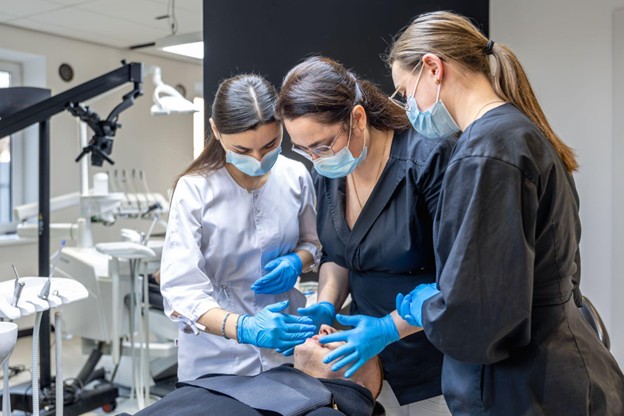
Imagine a dental procedure in which 3D imaging and AI-driven planning replace the traditional “measure and place” methods. As restorative dentistry enters a new era of innovation, the success of a dental implant is no longer just about the hardware, but the software used to guide it. In a competitive market like Miami, seeking out a specialist who utilizes a fully integrated digital suite is the best way to ensure a restoration that lasts a lifetime.
Using technologies like Intraoral Scanners and Cone Beam CT scans enables a level of customization previously impossible. These tools provide a comprehensive view of bone density and nerve locations, enabling safer, more efficient surgery with minimal downtime. Choosing a practice that stays at the forefront of these medical advancements is critical for anyone looking for the highest standard of oral rehabilitation.
To help you vet a truly tech-advanced implant center, here are the key technological factors to consider:
Modern technology plays a crucial role in improving the accuracy and success of dental implant procedures. Advanced tools allow specialists to diagnose conditions more precisely, plan treatments more effectively, and perform procedures with greater confidence.
The choice of a Dental Implants Specialist in Miami often depends on the availability of technologies such as digital imaging, guided implant placement, and advanced diagnostic systems. These tools contribute to more accurate implant positioning, reducing the likelihood of complications and supporting better overall outcomes.
Practices such as Gallardo Periodontics and Implant Dentistry use technologies like 3D imaging, digital treatment planning, and minimally invasive techniques to enhance precision and patient comfort. These advancements enable more predictable outcomes and often reduce recovery time compared to traditional methods.
Accurate diagnosis is the foundation of successful implant treatment. Advanced imaging tools, such as 3D scans and digital X-rays, provide detailed views of bone structure, nerve placement, and surrounding tissues.
This level of detail allows specialists to plan procedures with greater precision and avoid potential complications. It also helps in determining whether a patient is a suitable candidate for implants.
Clinics that invest in advanced imaging technology are better equipped to deliver safe and effective treatment outcomes. These technologies also support early detection of underlying issues, allowing for more proactive and personalized treatment planning.
Digital treatment planning has transformed how dental implants are performed. Using specialized software, specialists can map out the exact placement of implants before the procedure begins.
Guided surgery equipment then assists in placing the implant with high accuracy, following the pre-planned design. This reduces the margin of error and ensures optimal positioning.
Such techniques contribute to more consistent results and improved patient confidence in the procedure. They also help streamline the procedure, often reducing treatment time and enhancing overall patient comfort.
While technology is important, the specialist’s experience is equally critical. A skilled implant specialist understands how to use advanced tools effectively and adapt to different patient needs.
Experience also plays a role in handling complex cases, such as bone loss or multiple implants. Specialists with extensive training are better prepared to manage these challenges.
Reviewing qualifications, certifications, and case experience can help determine the level of expertise.
The quality of materials used in dental implants directly impacts durability and performance. High-grade materials are designed to integrate well with bone and provide long-lasting results.
In addition, modern techniques, such as minimally invasive procedures, help reduce discomfort and speed recovery. These approaches also lower the risk of complications.
Choosing a specialist who uses advanced materials and techniques ensures a more reliable outcome.
A tech-advanced specialist should also focus on patient comfort and communication. Clear explanations of procedures, expected outcomes, and recovery timelines help patients feel more confident.
Personalized treatment plans ensure that each patient receives care tailored to their specific needs. This approach improves both the experience and the results.
A patient-centered approach reflects a commitment to quality care that goes beyond the technical aspects. It also helps build trust and ensures that patients feel informed, comfortable, and confident throughout the treatment process.
Patient feedback provides valuable insight into the quality of care offered by a specialist. Reviews and testimonials can highlight strengths such as professionalism, communication, and treatment success.
Looking at before-and-after cases can also help assess the quality of results. Consistent positive feedback is often a good indicator of reliability.
Researching a provider’s reputation helps ensure you choose a trusted, experienced one.
Choosing a tech-advanced dental implant specialist involves more than just finding a convenient location. It requires evaluating technology, experience, materials, and overall patient care. By considering these factors carefully, patients can select a specialist who offers both precision and reliability. This thoughtful approach helps ensure successful outcomes and long-term satisfaction with dental implant treatment.


Radiopharmaceutical clinical trials evaluate drugs containing radioactive isotopes (radiopharmaceuticals) used for diagnostic imaging or targeted cancer therapy. They carry unique operational …
Posted Mar 24, 2026 Pharmaceuticals, Biotechnology & Drug Discovery Technologies Clinical Research
Connecting innovation decision makers to authoritative information, institutions, people and insights.

Medigy accurately delivers healthcare and technology information, news and insight from around the world.
Medigy surfaces the world's best crowdsourced health tech offerings with social interactions and peer reviews.
© 2026 Netspective Foundation, Inc. All Rights Reserved.
Built on Mar 26, 2026 at 3:36pm