

Managing Editor
@ShahidNShah
@ShahidNShah
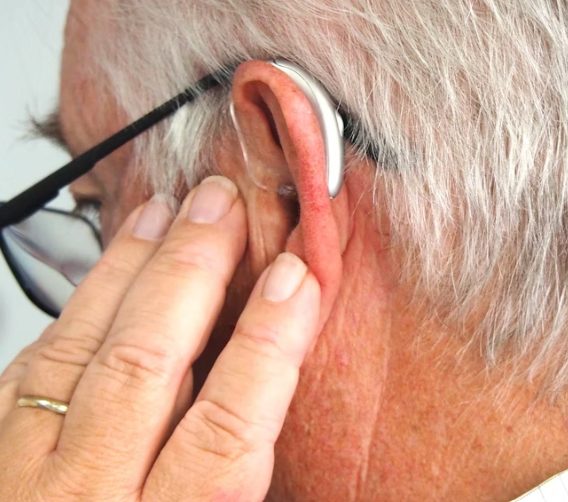
Hearing tends to be something we only think about when it starts to slip. Yet for many people, the path to clearer hearing isn’t dramatic or high-tech—it’s basic maintenance. Regular ear care helps keep your ears comfortable, reduces avoidable hearing fluctuations, and can make it easier to spot changes that genuinely need medical attention.
That said, “ear care” doesn’t mean doing more. It means doing the right things, at the right frequency, and avoiding common habits that cause trouble.
Earwax (cerumen) has a public-relations issue. It’s often treated like dirt, but it’s actually part of your ear’s self-cleaning system. Wax traps dust and debris, helps maintain moisture in the ear canal, and has antimicrobial properties. Most of the time, jaw movement (talking, chewing) slowly moves wax outward, where it dries and flakes away.
So what changes? For some people, wax doesn’t migrate effectively. It can build up and harden, or it can be pushed deeper into the ear canal by well-meaning cleaning attempts. A partial blockage can make sounds feel muffled or “closed off,” and a full blockage can mimic sudden hearing loss. In a city where earbuds, calls, and commuting noise are everyday realities, it’s easy to miss that wax is the real culprit.
If you’re dealing with recurring blockage, discomfort, or reduced hearing that comes and goes, it may be worth getting assessed by a professional. For example, a qualified London ear cleaning and wax removal service can check whether wax is contributing to your symptoms and remove it safely when appropriate—without the trial-and-error that often makes things worse at home.
Regular ear care isn’t only about wax. Think of it as preventive maintenance for a body part you rely on constantly.
Wax-related hearing changes can be subtle: turning the volume up a notch, missing parts of conversation, or feeling like people mumble more than they used to. Because buildup can vary between ears, it may also affect sound localization—your brain’s ability to pinpoint where a sound comes from.
Keeping the ear canal clear (when it needs clearing) helps keep your hearing more consistent, which in turn reduces listening effort. That matters more than most people realize; listening effort can be surprisingly fatiguing.
If you’re due a hearing check, wax can skew results. A blockage may exaggerate hearing thresholds, particularly in higher frequencies, and can make it harder for an audiologist to interpret what’s truly happening.
For hearing-aid users, wax management is even more important. Wax can:
A small amount of routine care can prevent a lot of frustration—and unnecessary device repairs.
A big advantage of sensible ear care is that it helps you separate “fixable” problems from more serious ones. If your hearing is muffled because of wax, that’s often straightforward to address. If it isn’t wax, that’s valuable information too—because it nudges you toward the right next step (a hearing evaluation or medical review) instead of repeated home remedies.
Many ear problems aren’t caused by neglect—they’re caused by over-cleaning.
Cotton buds typically don’t remove wax. They push it deeper, compressing it against the eardrum-side of the canal where it’s harder to clear naturally. They can also irritate the delicate skin of the canal, increasing inflammation and itchiness, which then encourages more “cleaning.” It’s a loop.
Wax-softening drops can be useful in the right scenario, but they’re not harmless in every ear. If you have ear pain, discharge, a history of perforated eardrum, ear surgery, or grommets, you should get advice before using anything. Also, drops can soften wax without clearing it, leaving you feeling temporarily worse (more blocked) until the wax is removed.
Ear candling has no good evidence behind it and carries burn risks. DIY scoops or suction gadgets are also risky because you can injure the canal or push wax further in. The ear canal skin is thin and easily damaged—small abrasions can lead to painful infections.
You don’t need a complicated regimen. You need a few smart habits and a bit of restraint.
For most people, basic care looks like this:
That’s the “do no harm” foundation. If you swim often, wear earbuds daily, or have skin conditions like eczema or psoriasis, you may be more prone to irritation and wax issues, and you’ll benefit from a slightly more proactive approach.
Here are the most common signals that wax or canal irritation may be affecting your hearing:
Any of these deserve a check—especially if they’re one-sided.
Some symptoms should never be “wait and see.” If you have sudden hearing loss (over hours or a day), severe ear pain, discharge, bleeding, dizziness/vertigo, or facial weakness, seek urgent medical care. Those signs can indicate infection, injury, or sudden sensorineural hearing loss, which is time-sensitive and not a wax issue to troubleshoot at home.
For non-urgent concerns—recurring blockages, frequent itching, or hearing that fluctuates—professional assessment is a sensible next step. Clinicians can look in the ear, confirm whether wax is the cause, and choose an appropriate method of removal (such as microsuction) when needed.
Regular ear care won’t prevent every form of hearing loss, but it does remove a major source of avoidable hearing problems. It also supports better listening comfort, more accurate testing, and smoother hearing-aid use.
If you think of hearing as a long-term asset—one tied to work, relationships, and overall wellbeing—then a little maintenance makes sense. The goal isn’t perfectly “clean” ears. It’s healthy ears, stable hearing, and fewer surprises when you need to listen most.


London has a way of turning “nice-to-have” services into everyday essentials—especially when they save time. Laser hair removal is a prime example. What used to feel like a luxury add-on has become a …
Posted Mar 14, 2026 Fundamental Technologies
Connecting innovation decision makers to authoritative information, institutions, people and insights.

Medigy accurately delivers healthcare and technology information, news and insight from around the world.
Medigy surfaces the world's best crowdsourced health tech offerings with social interactions and peer reviews.
© 2026 Netspective Foundation, Inc. All Rights Reserved.
Built on Apr 7, 2026 at 1:37pm