

Managing Editor
@ShahidNShah
@ShahidNShah
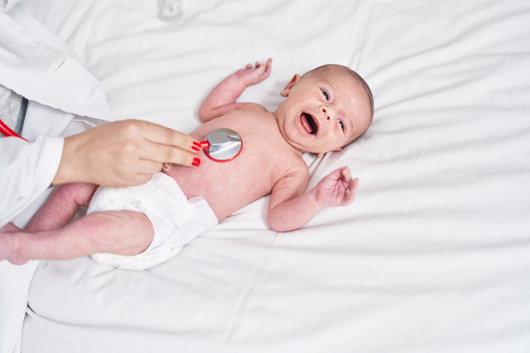
When health practitioners carry out proper monitoring during labor, it protects both the mother and the baby. Constant observation enables doctors to identify warning signs early and act before problems spiral out of control. This is the sort of proactive stance that is so instrumental in keeping preventable birth injuries at bay.
When health care providers closely monitor fetal heart rate, oxygen levels, and contraction patterns, they can spot distress early. But unfortunately if negligence happens, victims can file a claim to seek compensation.
As a victim, you may ask, “How do I reach out to a birth injury lawyer near me to hold the responsible party accountable?” Nowadays it is easy to find lawyers online.
Most of the birth injury errors are preventable. This article explains how proper monitoring during labor reduces the risk of birth injuries.
Signs of fetal distress are very subtle and can be seen by cardiac changes. Monitoring devices detect trends, such as prolonged decelerations or less variability. Early detection allows healthcare providers to intervene before oxygen deprivation causes injury.
Electronic fetal monitoring offers continuous, on-the-go, real-time feedback in labor. This can help providers detect hazardous trends rather than single readings. A quicker detection facilitates a prompt and more efficient intervention than slower identification, leading to quicker preventive intervention.
Routine monitoring ensures the baby gets enough oxygen during contractions. Inadequate oxygen can cause brain injury if not fixed.
Without oversight, a lack of oxygen may persist without detection for a long time. Even brief interruptions can lead to irreversible neurological damage. Continuous evaluation can help remediation and intervention to take place as necessary.
Knowing the strength and frequency of contractions ensures that labor progresses safely. Excessively strong contractions or very frequent contractions may diminish the oxygen supply to the baby.
Additionally, changes in medication over time or treatment of labor minimize injury, as monitoring also deters excessive stimulation from labor-inducing medications. Moreover, deliberate adjustment keeps the baby safe from dangerous stress. The progression of labor is controlled to reduce the risk of avoidable injury.
If monitored, cord compression or placental insufficiency can be observed. These circumstances limit the amount of oxygen and nutrients that reach the baby. Quick treatment prevents complications such as brain damage and/or developmental delays.
Early warning signs enable providers to reposition the mother or shorten delivery. These measures rapidly return blood and oxygen circulation. Timely correction averts life-threatening injuries.
When this monitoring identifies a danger, health care providers can intervene without delay. Such interventions may range from repositioning the mother to discontinuing medications to emergency delivery. The sooner you act, the less the conditions worsen and the less damage occurs.
Early cesarean delivery may occur if observation indicates the fetus has severe distress. This procedure helps prevent prolonged oxygen depletion.
When information is properly monitored, it informs the clinical decision-making process during labor. Based on science, decisions limit unnecessary risk and avoid unnecessary damage.
Data reliability minimizes guesswork and increases patient safety.
To support accountability and process documentation, surveillance systems add a factual record of the baby’s status to those notes. These medical outcomes can be used to ensure that medical practices are followed as outlined by appropriate guidelines.
Open records help safeguard patients and drive better care. Patient documentation and monitoring also facilitate communication among the healthcare team.

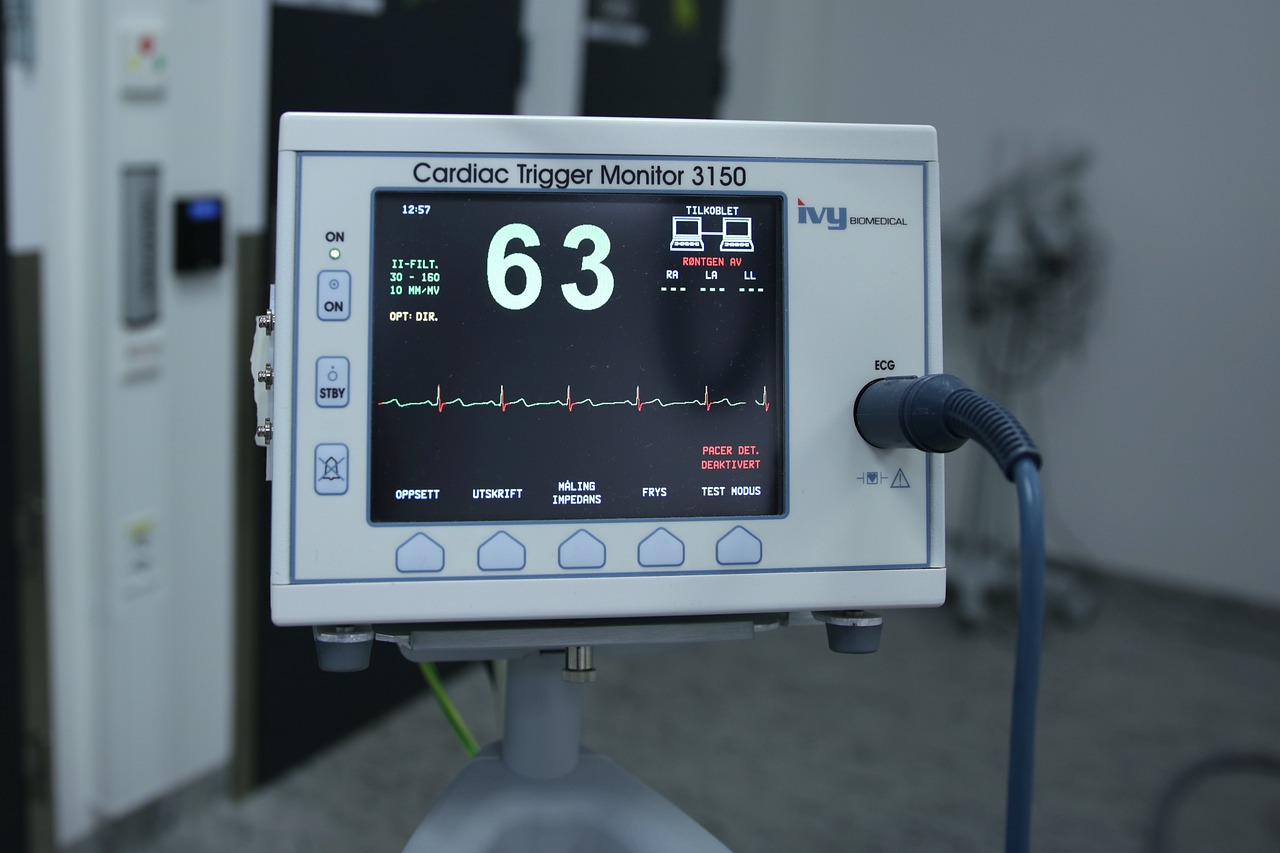
Point-of-care imaging remains one of the fields that will revolutionize patient care, and technology is an essential step towards this evolution. Handheld ultrasound systems have proven to be handy …
Posted Feb 23, 2026 Medical Devices Medicine
Connecting innovation decision makers to authoritative information, institutions, people and insights.

Medigy accurately delivers healthcare and technology information, news and insight from around the world.
Medigy surfaces the world's best crowdsourced health tech offerings with social interactions and peer reviews.
© 2026 Netspective Foundation, Inc. All Rights Reserved.
Built on Apr 8, 2026 at 1:06pm