

Managing Editor
@ShahidNShah
@ShahidNShah
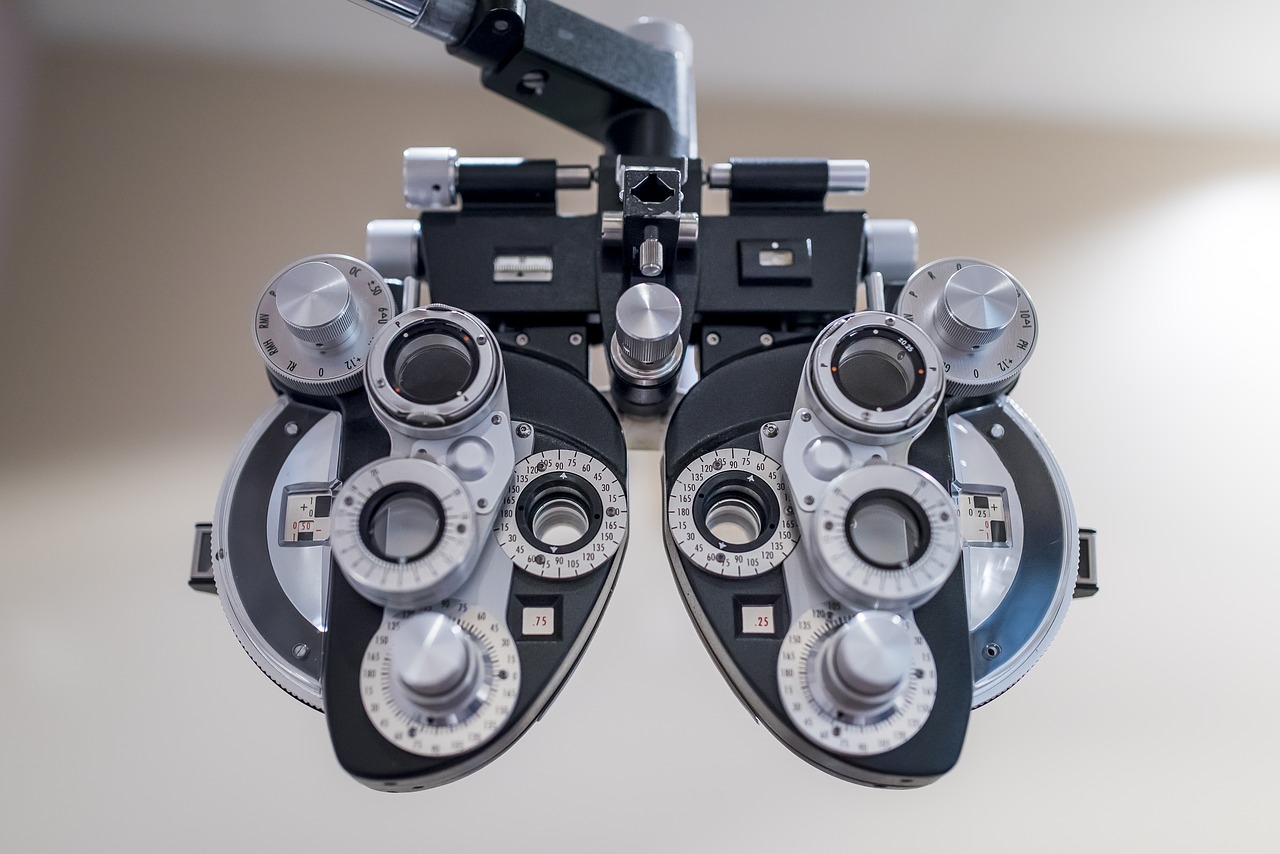
Blepharoplasty, commonly known as eyelid surgery, has long been one of the most sought-after facial rejuvenation procedures. In fact, in 2023, in the United States, more than 120,747 procedures were reported by the American Society of Plastic Surgeons. That popularity makes sense. The eye area plays a major role in how awake, energetic, and youthful a face appears. When eyelids begin to droop or under-eye puffiness develops, many people look for solutions that restore a refreshed appearance.
Yet, while traditional eyelid surgery has been effective, earlier approaches came with limitations. Standardized treatment plans often left little room for flexibility. Patients in Austin and across the country sometimes experienced uneven outcomes or results that appeared overdone. That is where modern medical innovation is changing the landscape.
With advanced planning tools, refined surgical methods, and truly individualized care, eyelid surgery is becoming more precise, natural, and confidence-building than ever before.
Let’s explore this evolution in more detail.
Blepharoplasty is a surgical procedure designed to improve the appearance or function of the eyelids. It can be performed on the upper eyelids, lower eyelids, or both, depending on the concern.
During the procedure, a surgeon carefully adjusts skin, soft tissue, and fat around the eyes. The goal is to restore smoother contours and a more open eye appearance. Incisions are typically placed along natural eyelid lines, so they heal discreetly. When performed with skill, results appear refreshed rather than surgically altered.
This foundation set the stage for modern improvements, where personalization now plays a central role in achieving better outcomes.
Every face has its own eyelid anatomy. Differences in skin thickness, fat placement, muscle tone, and eye shape mean that no two surgical plans should look the same. In the past, eyelid surgery often followed standardized techniques. Today, personalization has reshaped the procedure, making outcomes more precise and better aligned with individual features.
This is most visible in the planning stage. At well-established practices offering blepharoplasty in Austin, such as Buckingham Center for Facial Plastic Surgery, treatment begins with a detailed consultation rather than a one-size approach. During this evaluation, specialists take time to review key facial and eyelid characteristics, including:
Patients are also guided through realistic outcome discussions and shown examples of eyelid shapes that complement their features. From there, a customized surgical plan is created. The amount of skin adjusted, the handling of underlying tissue, and the incision design are all tailored to the individual structure. This level of personalization helps prevent results that look overly tight or artificial. Instead, the focus stays on subtle refinement that preserves expression and facial character.
By treating eyelid surgery as a collaborative design process, modern personalization supports results that feel balanced, thoughtful, and naturally aligned with each face.
Modern blepharoplasty is no longer guided by estimation alone. Today’s technology allows surgeons to plan, perform, and refine eyelid surgery with greater clarity and confidence. These advancements improve both the patient experience and the reliability of results.
Digital imaging tools now allow surgeons to study eyelid movement, skin behavior, and facial symmetry before any procedure takes place. This helps identify exactly how much skin to adjust and where to place incisions for the most balanced outcome. Planning software also makes it easier to visualize potential results, giving patients a clearer understanding of what to expect. This shared visual reference improves communication and reduces uncertainty before surgery.
Surgical tools have evolved to match the delicate nature of eyelid tissue. Micro-precision instruments allow surgeons to make controlled, refined adjustments rather than broad changes. This careful handling reduces unnecessary tissue trauma during surgery and supports smoother healing afterward. Smaller, more accurate movements also help preserve eyelid function while achieving the desired contour.
Technology has improved how surgeons manage skin and fat around the eyes. Incisions are now designed to follow natural eyelid folds, which helps keep surgical lines discreet once healed. Fat repositioning techniques have also advanced, allowing surgeons to reduce puffiness or hollowness without creating sharp or artificial contours. These refinements contribute to softer and more natural outcomes.
Combined with personalized planning, technology ensures that modern blepharoplasty is not only more effective but also more comfortable and reliable for patients.
Blepharoplasty has evolved far beyond its early surgical roots. Today, personalization and technology work together to create eyelid procedures that are more precise, safer, and better aligned with individual facial features. By combining customized planning with advanced surgical tools, modern eyelid surgery delivers refreshed results without sacrificing expression or identity.

Chief Editor - Medigy & HealthcareGuys.

AI tools are now widely used in healthcare to support documentation, coding, and clinical workflows. In many areas of physical medicine, this works because care is structured around objective …
Posted Jan 22, 2026 Artificial Intelligence Mental Health
Connecting innovation decision makers to authoritative information, institutions, people and insights.

Medigy accurately delivers healthcare and technology information, news and insight from around the world.
Medigy surfaces the world's best crowdsourced health tech offerings with social interactions and peer reviews.
© 2026 Netspective Foundation, Inc. All Rights Reserved.
Built on Mar 27, 2026 at 12:44pm