

Managing Editor
@ShahidNShah
@ShahidNShah

Aesthetic medicine has undergone a significant shift over the past decade. What was once a field defined primarily by surgical intervention and injectable treatments has expanded to include a growing category of device-based, non-invasive technologies that address skin health at a structural level.
Clinicians, dermatologists, and allied health practitioners are increasingly integrating these tools into treatment protocols because the clinical evidence supporting them has matured considerably, and patient demand for non-surgical options continues to grow.
This shift reflects a broader trend in healthcare: the move toward targeted, minimally invasive interventions that produce measurable outcomes with lower risk profiles and shorter recovery windows than their surgical predecessors. Understanding how these technologies work, what they can realistically achieve, and where they fit within a comprehensive skin health approach is becoming increasingly relevant for practitioners across dermatology, general practice, and allied health.
Energy-based devices represent the most clinically substantive category within modern aesthetic technology. These include radiofrequency platforms, high-intensity focused ultrasound, laser systems, and light-based devices, each working through distinct biophysical mechanisms to produce changes in skin structure and function.
Radiofrequency technology delivers controlled thermal energy to the dermis and subdermal tissue, stimulating fibroblast activity and triggering a wound-healing response that produces new collagen and elastin over a period of weeks to months.
The clinical rationale is well-established: collagen synthesis declines with age, contributing to progressive loss of skin firmness and elasticity, and controlled thermal stimulation provides a mechanism to partially restore this through the body’s own repair processes.
The non-invasive nature of radiofrequency treatment has made it one of the most widely adopted energy-based modalities in clinical practice. Patients seeking evidence of treatment outcomes before committing to a course can view RF skin tightening before and after results to assess the type and degree of improvement that clinical-grade radiofrequency protocols produce across different skin types and areas of concern. This transparency in outcome data reflects a broader movement within aesthetic medicine toward evidence-based patient communication rather than unsubstantiated claims.
High-intensity focused ultrasound works through a different mechanism, delivering focused acoustic energy at precise depths below the skin surface to stimulate collagen remodelling in the deep dermis and superficial muscular aponeurotic system. This depth of penetration differentiates it from surface-level treatments and makes it particularly relevant for addressing structural laxity rather than surface texture concerns alone.

The proliferation of aesthetic technology devices has created both opportunity and complexity for clinical practitioners. Device quality varies significantly across the market, and the distinction between consumer-grade and clinical-grade equipment is clinically meaningful. Energy output calibration, treatment parameter precision, and operator training all directly affect whether a device produces the tissue changes it is designed to achieve or simply generates superficial thermal effects without structural impact.
For health systems and private practices evaluating aesthetic technology investment, clinical evidence quality should be the primary evaluation criterion. Peer-reviewed studies demonstrating histological changes in treated tissue, standardised outcome measurement protocols, and patient-reported outcome data provide a more reliable basis for technology adoption decisions than marketing claims or anecdotal results.
The integration of aesthetic technology into broader clinical care pathways also presents an emerging opportunity. Dermatologists managing photoageing, post-inflammatory hyperpigmentation, and skin laxity as downstream consequences of chronic conditions are increasingly incorporating energy-based treatments alongside conventional therapeutic approaches.
Similarly, practitioners working with patients recovering from significant weight loss are finding that device-based skin tightening technologies address residual laxity in ways that neither lifestyle modification nor topical treatment can achieve.
One area where clinical practice standards in aesthetic medicine continue to evolve is patient assessment and outcome communication. The growth of patient-accessible before and after documentation has raised consumer expectations for aesthetic treatments, which creates both opportunity and clinical responsibility for practitioners.
Realistic outcome framing requires that practitioners communicate clearly about the variables that affect treatment response. These include baseline skin quality, patient age, degree of photoageing or structural laxity, lifestyle factors such as sun exposure and smoking history, and the number of treatment sessions involved.
Patients who understand these variables are better positioned to make informed decisions and are more likely to maintain realistic expectations throughout a treatment course.
The growing use of standardised photography, validated patient-reported outcome measures, and objective skin analysis tools within aesthetic practices reflects a maturation of the field toward the evidence and accountability standards that other areas of clinical medicine have long maintained. This trajectory is positive for both patient safety and the credibility of aesthetic medicine as a clinical discipline.
Aesthetic technology is no longer peripheral to mainstream healthcare. As the evidence base for energy-based and non-invasive treatments continues to develop and patient familiarity with these options grows, the clinical relevance of this field to practitioners across multiple specialties is increasing accordingly.
The most effective integration of aesthetic technology into clinical practice will come from practitioners who approach it with the same rigour applied to other therapeutic modalities: evaluating evidence quality, matching treatment selection to patient-specific indications, and communicating outcomes with honesty and precision.

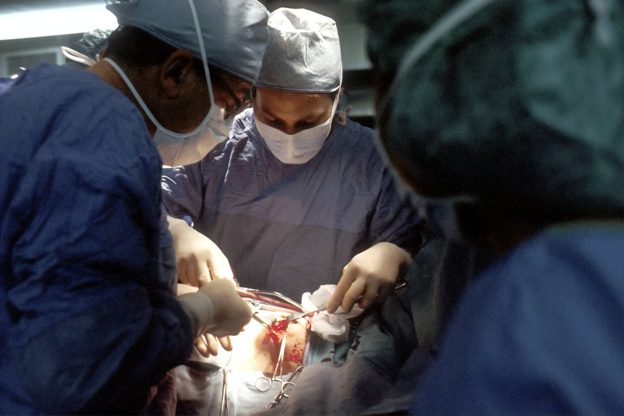
According to the Joint Commission’s 2023 sentinel event data, wrong-site surgeries and retained surgical items account for nearly 15% of all reported preventable medical errors in hospital …
Posted Apr 8, 2026 General Surgery
Connecting innovation decision makers to authoritative information, institutions, people and insights.

Medigy accurately delivers healthcare and technology information, news and insight from around the world.
Medigy surfaces the world's best crowdsourced health tech offerings with social interactions and peer reviews.
© 2026 Netspective Foundation, Inc. All Rights Reserved.
Built on Apr 8, 2026 at 1:06pm