

Managing Editor
@ShahidNShah
@ShahidNShah
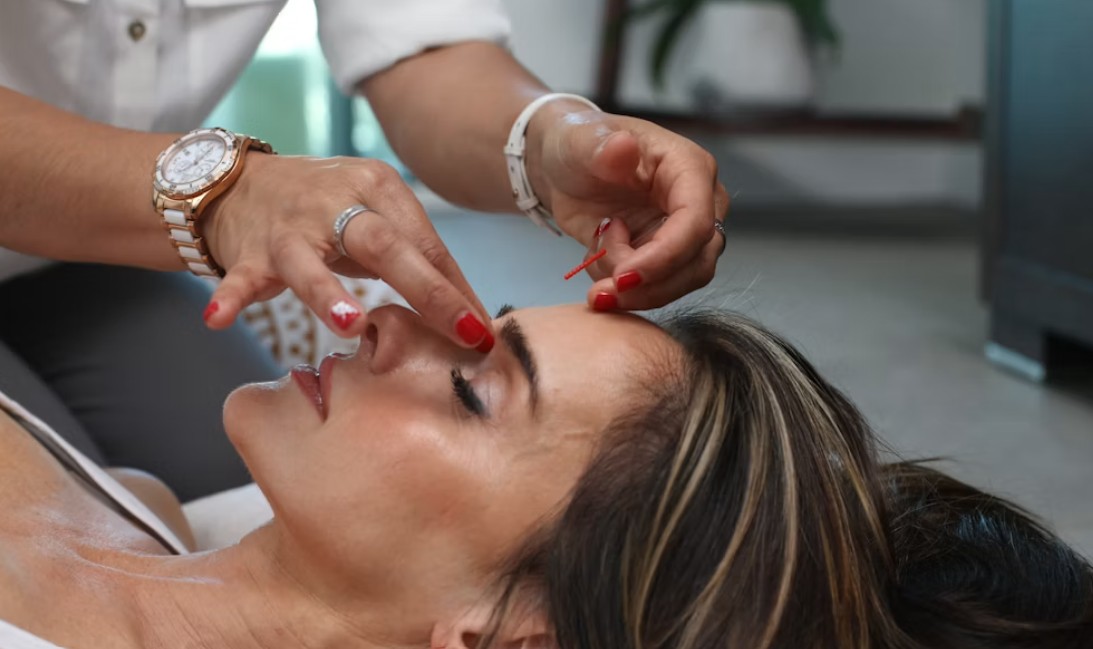
Non-surgical aesthetics has evolved well beyond the old binary of “injectables or surgery.” Patients now expect more tailored options, shorter recovery times, and treatment plans that address skin quality rather than simply masking one visible concern. That shift has opened the door for therapies that sit between topical skincare and more invasive procedures. Mesotherapy is one of the clearest examples.
Once considered a niche offering in some clinics, mesotherapy is increasingly part of a broader treatment strategy for people who want visible skin improvement without the commitment, cost, or downtime associated with surgery. Its value lies not in replacing established treatments, but in expanding what clinicians can offer when the goal is subtle, cumulative, and natural-looking change.
A decade ago, many patients arrived asking for a single treatment to solve a single problem. Now the conversation is more sophisticated. Someone concerned about tired-looking skin may also be dealing with dehydration, uneven tone, early laxity, dullness, or textural change. A filler-only or peel-only approach may help, but it may not fully address the underlying issue of skin quality.
That is why many clinicians are moving toward layered treatment planning. Rather than relying on one intervention to do everything, they combine modalities that work in different ways. One treatment may support hydration, another collagen stimulation, another pigment correction. The result is often more balanced and less obvious than a dramatic one-off procedure.
There is also a cultural shift at play. More patients are looking for preventative or maintenance-based care instead of waiting until concerns feel severe. In practical terms, that means treatments with minimal downtime, repeatable protocols, and gradual improvement are becoming more relevant.
Mesotherapy fits neatly into that model. It is not usually framed as a dramatic transformation treatment. Instead, it is often used to support skin vitality, hydration, and texture through a series of superficial microinjections tailored to the individual’s needs. That positioning matters, because patients are increasingly comfortable with “small but meaningful” improvements that build over time.
At its core, mesotherapy involves delivering carefully selected ingredients into the superficial layers of the skin. Depending on the protocol, those formulations may include vitamins, amino acids, hyaluronic acid, antioxidants, or other skin-supporting compounds. The goal is not simply to place product under the skin, but to target an area more directly than topical application allows.
This is where mesotherapy becomes particularly useful. It gives practitioners another way to address concerns such as dullness, dehydration, fine lines, and poor skin texture in patients who may not need, want, or respond best to other interventions. For readers who want a clearer overview of how the treatment is used in practice, this guide to mesotherapy facial rejuvenation therapy offers a helpful example of where it sits within modern aesthetic care.
One reason mesotherapy has gained attention is that it occupies a middle ground many patients are actively searching for. Topical skincare can help, but absorption is limited and results are often modest. More intensive procedures can be effective, but they may involve greater expense, more downtime, or a threshold of intervention some patients are not ready for.
Mesotherapy offers a bridge. It can support patients who feel their skincare routine has plateaued, but who are not interested in lasers, surgery, or significant structural changes. That makes it especially relevant in consultations where the issue is skin freshness rather than facial volume or contour.
Adding a new procedure to a clinic menu is easy. Expanding genuine treatment choice is harder. Mesotherapy helps do the latter because it widens the range of responses available to different patient profiles.
A patient in their early thirties with dehydration and early crepiness may not need filler. A patient in their forties who wants brighter, healthier-looking skin before an event may not want the recovery associated with a more aggressive resurfacing procedure. A patient already having injectables may want to improve skin quality so the overall result looks more natural. In each case, mesotherapy offers a different pathway.
One of the strongest arguments for mesotherapy is that it supports a more nuanced form of treatment planning. Instead of escalating to stronger interventions by default, clinicians can tailor care based on skin condition, tolerance for downtime, timeline, and long-term goals.
That matters because overtreatment is becoming a bigger concern in aesthetics. Patients are more informed than they used to be, and many are wary of looking “done.” Treatments that improve the canvas of the skin, rather than dramatically altering facial shape, align well with the current preference for subtlety.
Mesotherapy is rarely most valuable as a stand-alone idea. Its real strength often appears when combined thoughtfully with other non-surgical approaches. For example, a practitioner may use it alongside medical-grade skincare, microneedling, or injectable treatments as part of a staged plan. In that setting, it helps refine the overall result by addressing skin quality, not just structure.
That combination-based role is important. The future of non-surgical aesthetics is less about hero treatments and more about synergy.
As with any aesthetic procedure, outcomes depend on more than the treatment name. Product selection, practitioner skill, patient suitability, and treatment frequency all influence results. Mesotherapy is not a universal answer, and it works best when expectations are realistic.
Before proceeding, patients should understand a few basics:
A good consultation should make that clear. If the plan sounds vague or overpromised, that is worth questioning.
Mesotherapy’s rise says something larger about the direction of aesthetic medicine. Patients are not only seeking fewer invasive options; they are also seeking smarter ones. They want treatment plans that respect their time, budget, anatomy, and comfort level. They want choice without pressure to escalate.
That is exactly why mesotherapy matters. It does not replace surgery, fillers, or resurfacing treatments. It expands the space between them. And in modern aesthetics, that middle space is where much of the most thoughtful, patient-centred care now happens.
For clinics, that means more flexibility in designing treatment pathways. For patients, it means more chances to address skin concerns in a way that feels proportionate. In a field that is steadily moving toward subtle, personalised results, that is not a small development. It is a meaningful one.


Sleep is very important for health. It lets the body rest. Helps the mind feel better. Many people have trouble sleeping because they snore or have trouble breathing. Today’s healthcare is …
Posted Aug 21, 2026 Chronic Illness Chronic Illness
Connecting innovation decision makers to authoritative information, institutions, people and insights.

Medigy accurately delivers healthcare and technology information, news and insight from around the world.
Medigy surfaces the world's best crowdsourced health tech offerings with social interactions and peer reviews.
© 2026 Netspective Foundation, Inc. All Rights Reserved.
Built on Oct 24, 2026 at 6:05pm