

Managing Editor
@ShahidNShah
@ShahidNShah
Menopause touches every part of health, yet for years, the tools felt blunt. Today, smarter tech is turning vague symptoms into clearer signals. From home tests and wearables to virtual clinics and AI, the new toolkit helps women and clinicians see patterns faster and act with more confidence.
This shift is not about gadgets for their own sake. It is about access, clarity, and timing. When information comes sooner and is easier to understand, choices get better. That can mean fewer sleepless nights, fewer surprises, and more control during a major life phase.
Menopause is a transition, not a moment, which is why a single office visit often misses the bigger picture. Digital tracking lets people log hot flashes, mood shifts, and sleep quality over weeks, then compare those notes with cycle changes. Patterns that once felt random start to make sense.

Simple dashboards turn diary entries into charts, making it easier to see if symptoms cluster after certain foods, workouts, or stress. These visuals help women explain their experience in plain terms. Clinicians can then match treatments to the specific problem at the right time.
Data is not a diagnosis by itself, but it is a powerful starting point. When a plan is built on trends instead of hunches, it is easier to adjust without feeling lost. That reduces trial-and-error and helps people stay engaged in their care.
At-home menopause tests now look at hormones instead of a single snapshot. Repeating a test across a cycle or over several months shows whether levels are rising, dipping, or holding steady. That view is more useful than a one-off result.
Some programs bundle testing with guided next steps and clinician input. A hormone therapy kit might sit alongside symptom logs and safety screening to support a timely discussion. With the right context, the numbers are easier to trust and use. Clear instructions and simple packaging also make repeat testing less of a chore.
These tests are not perfect, and they do not replace medical advice. But when they are paired with education and follow-up, they can reduce confusion. People learn what the results can and cannot say, and when to escalate care.
New sensors track skin temperature, heart rate variability, and nighttime arousals. These signals often shift before a person connects the dots to hormones. A rising trend in overnight heat or disrupted sleep may be the first hint of perimenopause.
Wearables help test whether a change is working. If a cooling routine, medication tweak, or bedtime habit reduces wakes and improves deep sleep, the graphs will show it. Small wins become visible, which keeps motivation high.
The best wearables fit into daily life with little friction. They sync to phones, give gentle prompts, and avoid noisy alerts that add stress. When feedback is calm and clear, it supports behavior change instead of overwhelming it.
Virtual menopause clinics bring specialists to people who would otherwise wait months. Video visits, secure messaging, and shared records remove the distance between home and expert care. That matters in rural areas and for anyone juggling work and family.
Remote monitoring stitches together the story between visits. Symptom trackers, home tests, and wearable data flow into a shared view so the next check-in starts at a higher baseline. Adjustments can be made sooner, often with less medication swing.
This model lowers barriers like travel time, parking, and time off work. When access improves, adherence improves. People are more likely to ask questions early, which prevents crises later.
AI tools can sort through symptoms, labs, and history to suggest next steps. They do not replace clinicians, but they can surface options and risks faster. That helps set realistic expectations and avoids one-size-fits-all choices.
Personalization can include dose, delivery form, and timing. For example, AI might highlight a lower starting dose or a different route if a person has migraines or GI issues. It can flag when non-hormonal options might be safer.
Importantly, these tools must stay transparent. Clear explanations and easy-to-read summaries build trust. When people understand why a plan is recommended, they are more likely to follow it and report back on how it feels.
Menopause is about more than hot flashes. Pelvic floor apps and connected trainers guide safe exercises that support bladder control and sexual health. Short daily sessions, tracked over weeks, can restore confidence.
Bone health comes into focus as estrogen declines. Risk calculators, reminders for weight-bearing exercise, and smart prompts for calcium and vitamin D help people protect long-term strength. Paired with scans at the right intervals, these tools keep bone health on the radar.
Vaginal health devices and moisturizers have grown smarter with dosing guides and tracking. When symptoms are logged and relief is measured, changes are easier to notice. That invites steady care rather than crisis management.
Good tech builds safety checks into the flow. Screening questions catch red flags, and clear alerts prompt medical review when needed. This keeps self-care from drifting into unsafe territory.
Education sits beside every result and suggestion. Short explainers clarify what a value means, why it matters, and what to do next. Plain language reduces worry and cuts down on late-night searching.
Consent is built in. People choose what to share and with whom, and can change their minds later. When control is obvious and simple, participation rises.
The path forward is practical and human. Tech will not make menopause effortless, but it can make it clearer, calmer, and more navigable. With the right mix of tools and support, more people can move through this phase with steadiness and self-trust.
Menopause care is changing because information is finally catching up to real life. With data, access, and personalization, women can find help that fits their bodies and their days. The future looks less like a maze and more like a well-marked path.

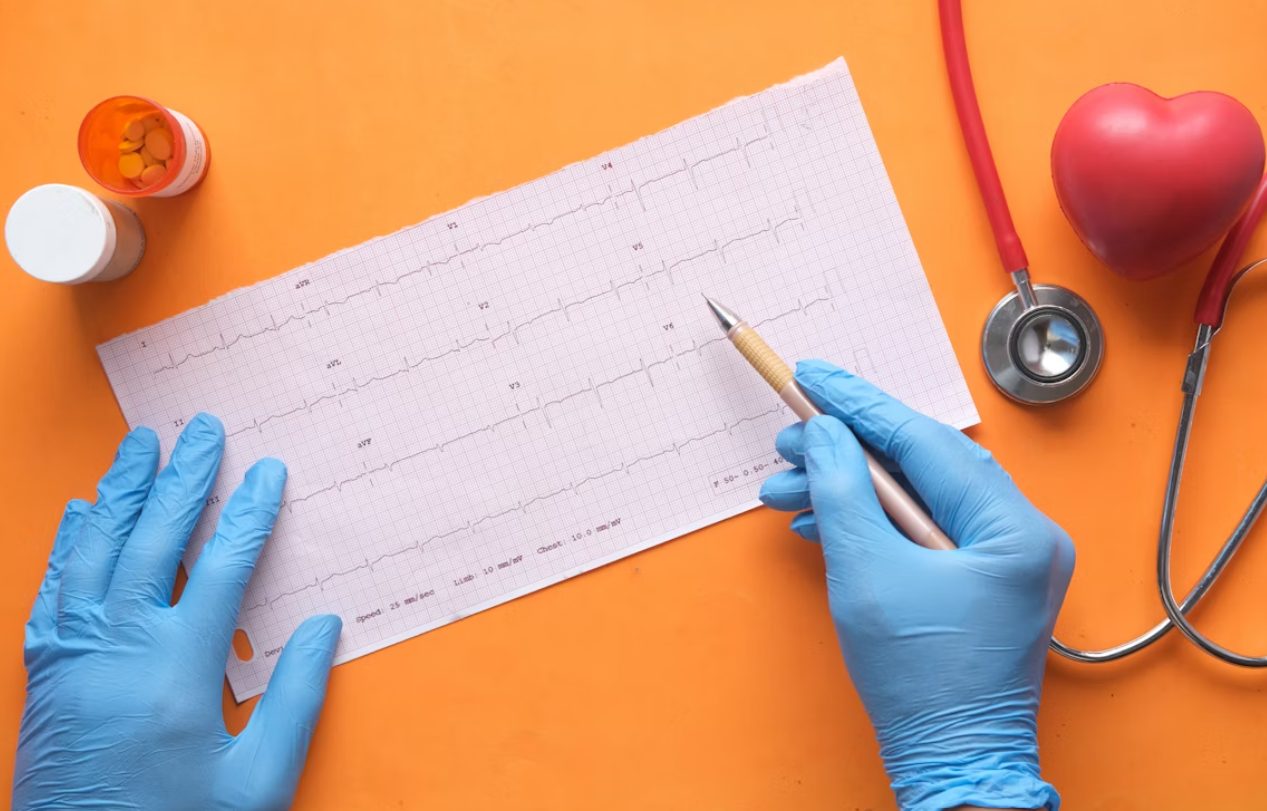
When Mehmet arrived at the emergency department with crushing chest pain, his wife feared the worst. Within minutes, our team had completed an ECG and confirmed he was having a heart attack. Two hours …
Posted Dec 23, 2025 Cardiology Emergency Medicine
Connecting innovation decision makers to authoritative information, institutions, people and insights.

Medigy accurately delivers healthcare and technology information, news and insight from around the world.
Medigy surfaces the world's best crowdsourced health tech offerings with social interactions and peer reviews.
© 2026 Netspective Foundation, Inc. All Rights Reserved.
Built on Mar 27, 2026 at 12:44pm