

Managing Editor
@ShahidNShah
@ShahidNShah
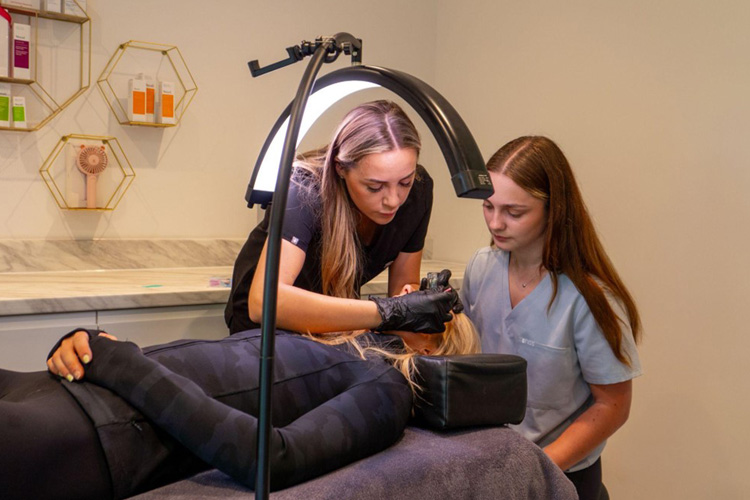
The demand for aesthetic med spa treatments continues to grow as more people seek non-surgical ways to improve their appearance. Treatments such as injectables, skin rejuvenation, laser therapies, and body contouring can help patients feel more confident while requiring little downtime. Although these procedures are often considered minimally invasive, they still involve important medical considerations that should never be overlooked.
One of the most effective ways to improve patient safety is by completing a thorough medical assessment before treatment begins. This step allows healthcare professionals to understand each patient’s health history, discuss lifestyle factors, and recommend procedures that align with both cosmetic goals and overall well-being.
When aesthetic medicine is approached through the lens of preventive healthcare, patients are more likely to enjoy safe procedures, realistic expectations, and satisfying results.
Looking good and feeling healthy often go hand in hand. While cosmetic procedures can enhance appearance, they do not replace the importance of maintaining overall wellness.
Several health factors can influence how a patient responds to aesthetic treatment, including:
By reviewing these factors during a consultation, providers can recommend treatments that are appropriate for each patient’s individual circumstances.
This personalized approach creates a stronger foundation for successful cosmetic outcomes.
Every patient brings a unique medical history and different expectations to the consultation room. A medical assessment gives providers the opportunity to understand those differences before recommending a treatment.
During the evaluation, discussions often include:
This information allows providers to identify potential concerns and develop treatment plans that prioritize safety without compromising cosmetic goals.
Rather than delaying treatment, a medical assessment helps ensure that patients receive care that is tailored specifically to them.
Completing a professional medical evaluation before an aesthetic procedure offers several important benefits.
Patient safety should always come first.
A medical review helps identify health conditions or medications that could affect treatment, healing, or recovery. Recognizing these factors early allows providers to make informed clinical decisions.
Every patient’s skin and health profile are different.
Medical evaluations help providers recommend procedures that fit individual needs instead of applying the same treatment approach to everyone.
Personalized planning often results in:
Understanding a patient’s health helps providers offer guidance that supports healing after treatment.
Recommendations may include hydration, nutrition, skincare, activity modifications, and follow-up care that encourage smoother recovery.
Patients often feel more comfortable when they know their provider has carefully reviewed their medical history before recommending a procedure.
This preparation creates confidence while reducing uncertainty throughout the treatment process.
Medical assessments encourage meaningful conversations between patients and providers.
Topics often include:
These discussions help patients make informed decisions while building trust with their healthcare team.
Aesthetic treatments are only one part of achieving healthy, vibrant skin. Daily habits often influence how well patients respond to cosmetic procedures.
Providers commonly encourage patients to:
Healthy lifestyle choices support stronger skin health while helping cosmetic results last longer.
Patients who view wellness and aesthetics as complementary often enjoy the most rewarding long-term outcomes.
Preventive healthcare focuses on identifying concerns before treatment begins rather than reacting to problems afterward.
One important example is a telehealth good faith exam, which allows qualified healthcare professionals to review a patient’s medical history, discuss health considerations, and determine whether a planned aesthetic procedure is appropriate before treatment moves forward. This evaluation supports individualized care while making aesthetic services more accessible for many patients through virtual healthcare technology.
Taking this proactive approach helps patients begin their cosmetic journey with greater confidence and peace of mind.
Before committing to an aesthetic procedure, patients should feel comfortable asking questions such as:
Open communication helps patients understand their options while encouraging realistic expectations.
Providing safe aesthetic care often requires collaboration among experienced healthcare professionals. Strong medical oversight helps ensure that patient evaluations, treatment protocols, and clinical decisions are based on sound medical judgment.
Many practices work with a collaborating physician for med spa operations to support treatment planning and maintain high standards of patient care. Whether someone chooses a large practice or a smaller med spa in Waxahachie, having appropriate medical oversight helps reinforce patient safety while ensuring cosmetic recommendations are based on each individual’s health needs rather than appearance alone.
This collaborative approach allows providers to deliver aesthetic treatments with greater confidence while giving patients additional reassurance throughout their experience.
A successful aesthetic treatment begins long before the procedure itself. A professional medical assessment allows providers to evaluate health history, understand lifestyle habits, discuss patient goals, and recommend treatments that are appropriate for each individual’s unique needs.
By combining preventive healthcare with personalized treatment planning, patients gain more than cosmetic improvements. They receive care that prioritizes safety, encourages informed decision-making, and supports healthier outcomes from consultation through recovery.
As aesthetic medicine continues to evolve, medical assessments remain one of the most valuable tools for creating safe, effective, and personalized treatment experiences. When health becomes the starting point for cosmetic care, patients are better equipped to enjoy natural-looking results while protecting their overall well-being for years to come.

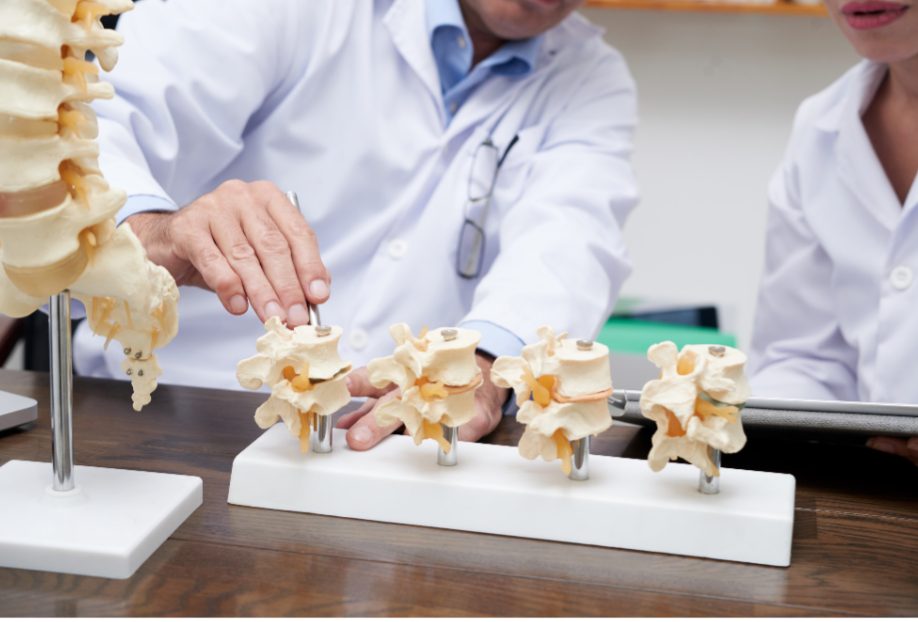
A bone density result in the low range can be unsettling. It sounds like a warning, but it does not mean fracture is inevitable. Many people can slow bone loss and lower future fracture risk with a …
Posted Jul 21, 2026 Chronic Illness
Connecting innovation decision makers to authoritative information, institutions, people and insights.

Medigy accurately delivers healthcare and technology information, news and insight from around the world.
Medigy surfaces the world's best crowdsourced health tech offerings with social interactions and peer reviews.
© 2026 Netspective Foundation, Inc. All Rights Reserved.
Built on Oct 19, 2026 at 5:05am