

Managing Editor
@ShahidNShah
@ShahidNShah
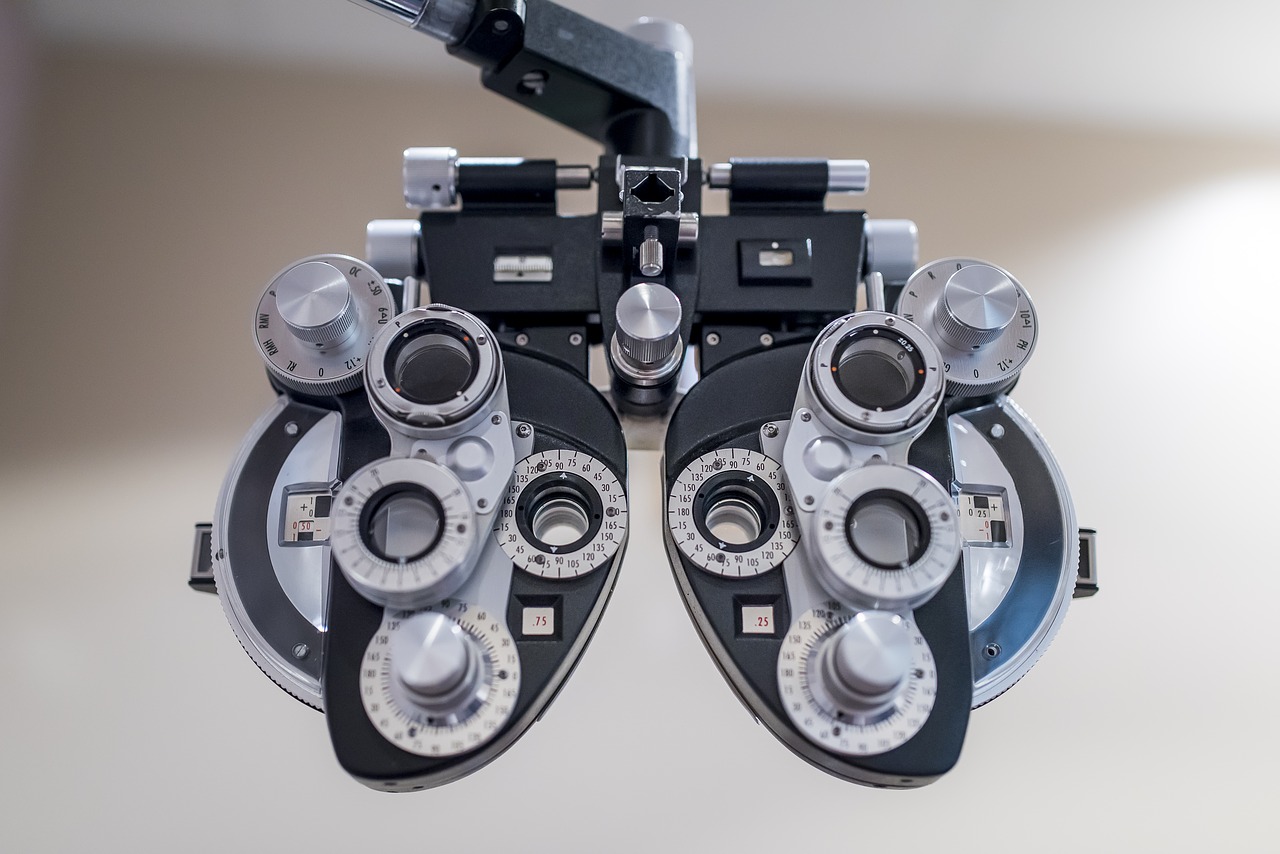
Glasses fog up at the worst moments, contacts dry out mid-workday, and neither one solves the actual problem: your eyes still need help focusing light correctly. Laser vision correction takes a different approach entirely, reshaping the eye itself rather than compensating for it from the outside, and the technology behind it keeps getting more precise every year.
For anyone weighing their options in Bellevue or Seattle, the sheer number of acronyms floating around can make the decision feel more complicated than it needs to be. Understanding what each laser technology actually does helps cut through the noise.
At its core, laser vision correction changes the curvature of the cornea so light focuses correctly on the retina. LASIK creates a thin corneal flap with a femtosecond laser, then uses a separate excimer laser to reshape the tissue underneath before repositioning the flap.
Newer approaches, like SMILE, skip the flap entirely, using a single laser to remove a small disc of tissue through a tiny incision. Each method targets the same underlying goal through a different mechanical path, and the differences matter more for some patients than others.
The long-term data is genuinely reassuring. A study published in January 2026 in the International Journal of Ophthalmology, tracking 410 patients five years after undergoing either SMILE or femtosecond LASIK, found a patient satisfaction rate of 91.7 percent, describing outcomes as high and stable across that extended timeframe.
That’s a meaningful data point for anyone wondering whether these results actually last, rather than fading after the first year or two.
Older laser systems relied on broader, less individualized treatment maps. Today’s platforms incorporate wavefront measurements and detailed corneal mapping to build a treatment plan unique to each eye, rather than applying a standard correction across every patient.
This shift toward personalization is a big part of why complication rates have dropped and outcomes have become more predictable over the past decade.
A few key differences tend to matter most when comparing options:
None of these is universally “better.” The right fit depends on corneal thickness, lifestyle, and how a surgeon evaluates your specific eyes during a consultation.
Even with better lasers, technology alone doesn’t guarantee a good outcome. A thorough pre-surgical evaluation, checking corneal thickness, mapping irregularities, and reviewing eye health history, remains the single biggest factor in predicting how well someone will do with any laser procedure.
Skipping or rushing this step is a far more common cause of disappointing results than the laser platform itself.
Because these technologies each come with real tradeoffs, working with a practice that offers more than one option tends to matter more than the specific brand name on the laser. For LASIK eye surgery in Bellevue and Seattle, that typically starts with a detailed consultation comparing your candidacy across every option available, rather than getting the one procedure a clinic is set up to perform regardless of whether it’s the best fit.
That kind of range matters more than any single laser’s brand name. At Bellevue Precision Vision, that range comes from being trained across the full spectrum of laser vision correction techniques, so the technology gets matched to the eye rather than the eye being steered toward whichever procedure the practice happens to specialize in.
A few specific questions can help clarify whether a practice is genuinely tailoring its recommendation to you:
A surgeon who answers these plainly, rather than steering you toward one default procedure, is generally a good sign that the recommendation is built around your eyes specifically.
Laser vision correction has come a long way from a single one-size-fits-all procedure, and the differences between the available laser options now genuinely matter for matching the right approach to the right patient. The data on long-term satisfaction is strong across these newer platforms, but the technology only performs as well as the evaluation behind it.
If daily life with glasses or contacts has started to feel like more trouble than it’s worth, understanding these options is a good place to start before booking a consultation.


Sacramento, CA, families often have to make difficult decisions about the care of an older loved one living in a nursing home. A sudden injury, unexplained bruise, missed medication, or change in …
Posted Oct 1, 2026 Nursing Care
Connecting innovation decision makers to authoritative information, institutions, people and insights.

Medigy accurately delivers healthcare and technology information, news and insight from around the world.
Medigy surfaces the world's best crowdsourced health tech offerings with social interactions and peer reviews.
© 2026 Netspective Foundation, Inc. All Rights Reserved.
Built on Oct 22, 2026 at 6:05pm