

Managing Editor
@ShahidNShah
@ShahidNShah
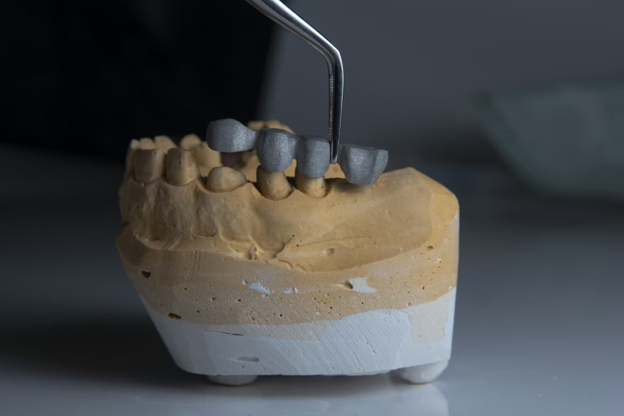
According to the American Dental Association’s 2024 oral health surveillance data, over 90% of adults have experienced tooth decay, yet many put off restorative treatment until pain forces their hand. By then, the damage often extends beyond what a simple filling can address. As dental technology continues to advance and insurance coverage expands for preventive care, dental crowns have emerged as one of the most versatile solutions for both protecting vulnerable teeth and transforming smiles that have suffered years of wear, decay, or injury.
The stakes go beyond aesthetics. A compromised tooth structure affects everything from your ability to chew properly to your confidence in social situations. For the millions of adults dealing with cracked molars, worn enamel, or teeth weakened by large fillings, understanding how crowns work—and what they can realistically accomplish—shapes decisions that will impact oral health for decades to come.
This exploration reveals how modern dental crowns function as both protective armor and cosmetic enhancement, the material innovations that have revolutionized their durability and appearance, and the practical considerations that determine whether they’re the right solution for your specific situation.
Think of a dental crown as a custom-fitted helmet for a damaged tooth. When decay, fractures, or large fillings compromise a tooth’s structural integrity, the remaining enamel becomes vulnerable to further breakdown under the constant pressure of chewing—forces that can reach up to 200 pounds per square inch on your molars. A crown encases the entire visible portion of the tooth, redistributing these forces evenly across the underlying tooth structure and preventing the catastrophic split that often requires extraction.
The protective mechanism works on multiple levels. Beyond the obvious physical barrier, crowns create a sealed environment that prevents bacteria from infiltrating the compromised areas where the tooth’s natural structure has been weakened. Consider someone who’s lived with a large amalgam filling for fifteen years—the repeated expansion and contraction of that metal has likely created microscopic cracks in the surrounding enamel. Without intervention, those hairline fractures become highways for decay, often requiring root canal treatment or extraction within a few years.
Crown restoration addresses this cascade by essentially “freezing” the tooth’s condition at its current state. The preparation process removes the weakened outer layer, and the crown provides a new, intact surface that can withstand normal function. Modern bonding techniques create a seal so effective that bacteria cannot penetrate the junction between crown and tooth, provided the margins are properly maintained through regular hygiene.
What sets crowns apart from other restorative options is their ability to restore both strength and function simultaneously. A tooth that has lost significant structure can’t generate the same biting force as an intact tooth—patients often unconsciously favor the other side when chewing, leading to uneven wear patterns and jaw muscle imbalances. A well-fitted crown returns that tooth to full functional capacity, allowing normal chewing patterns to resume and preventing the downstream effects of compensatory habits that can affect the entire jaw system.
The evolution of crown materials has fundamentally changed what’s possible in restorative dentistry. Where patients once faced a stark choice between strength and aesthetics—metal crowns that lasted decades but looked obviously artificial, or early porcelain versions that appeared natural but chipped easily—today’s options offer sophisticated combinations of durability and appearance.
All-ceramic crowns represent the current gold standard for front teeth, using advanced lithium disilicate or zirconia materials that can withstand significant force while maintaining translucency that mimics natural enamel. These materials bond chemically to tooth structure, creating an interface that’s often stronger than the junction between natural enamel and dentin. The aesthetic advantage is remarkable: properly crafted ceramic crowns are virtually indistinguishable from natural teeth under normal lighting conditions, making them ideal for visible areas where appearance matters most.
Porcelain-fused-to-metal crowns occupy the middle ground, combining a metal substructure for strength with a porcelain overlay for aesthetics. While they’ve largely been superseded by all-ceramic options for front teeth, they remain valuable for back teeth where the metal framework can provide extra insurance against fracture. The trade-off involves a slight gray line that may show near the gum line over time, as gums naturally recede with age.
Full metal crowns—typically gold or other noble metal alloys—still outperform other materials in pure longevity. Gold crowns can function effectively for 30+ years with proper care, and their malleability allows for extremely precise margins that minimize bacterial infiltration. The biological compatibility is exceptional; gum tissue tends to remain healthier around gold crowns than around other materials. However, their obvious appearance limits their use to back teeth where function trumps aesthetics.
The material choice extends beyond simple durability calculations to encompass how each option interacts with opposing teeth and surrounding gum tissue. Zirconia crowns offer perhaps the most interesting compromise: they’re harder than porcelain but can be engineered to have similar hardness to natural enamel, preventing excessive wear of opposing teeth—a consideration that becomes critical in patients with grinding habits.
Modern ceramic materials also allow for minimal tooth preparation. Ultra-thin veneered crowns require removal of significantly less tooth structure than traditional options, preserving more of the natural tooth and potentially extending its long-term viability. This becomes particularly important in younger patients, where preserving natural tooth structure may allow for easier restoration replacement decades down the road.
The bonding chemistry varies dramatically between materials, affecting not just initial retention but long-term stability. Ceramic crowns achieve micromechanical bonding through etching and silanation, creating millions of tiny interlocks between crown and tooth. Metal crowns rely more on mechanical retention and cement seal. These differences influence everything from sensitivity after placement to the crown’s resistance to bacterial infiltration over time.
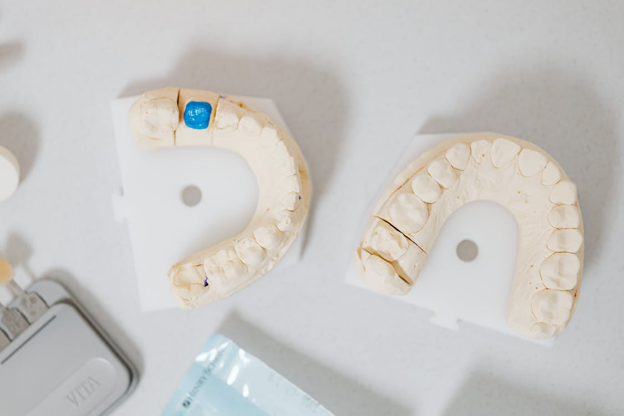
The cosmetic transformation possible with modern crowns extends far beyond simply covering unsightly fillings or discolored teeth. Strategic crown placement can alter smile proportions, correct minor orthodontic irregularities, and even change facial support in ways that affect overall appearance. When front teeth are shortened by grinding or wear, the loss of length affects lip support and can create an aged appearance. Crowns can restore that vertical dimension, returning fuller lip contours and a more youthful smile line.
The functional improvements often surprise patients more than the aesthetic ones. Someone who’s lived with a cracked molar that hurts when chewing certain foods may not realize how much they’ve adapted their eating habits until that restriction is removed. The return to pain-free chewing can expand dietary choices and improve nutrition, particularly important for older adults who may have gradually shifted toward softer foods that are easier to manage with compromised teeth.
Speech improvements represent another significant functional benefit. When front teeth are misshapen, heavily filled, or broken, the tongue’s contact points for producing certain sounds become disrupted. Patients with worn or damaged teeth often develop slight lisps or difficulty with “s” and “th” sounds. Well-designed crowns restore proper tongue contact surfaces, allowing clear pronunciation to return naturally within a few weeks as muscle memory adapts.
The psychological impact shouldn’t be underestimated. Research from the Journal of Prosthetic Dentistry shows that patients who receive crown treatment for front teeth report significant improvements in social confidence and willingness to smile in photographs. The relief of no longer worrying about visible dental imperfections can affect everything from job interview performance to willingness to engage in social situations.
Crown treatment also enables better oral hygiene in many cases. Teeth with large, overhanging fillings or irregular shapes create cleaning challenges that contribute to ongoing decay and gum disease. Crowns restore smooth, anatomically correct contours that are easier to clean effectively, often leading to improved gum health in the surrounding area. For comprehensive guidance on available treatments, exploring various dental crown options can help patients understand which approach best addresses their specific functional and aesthetic needs.
Crown lifespan depends more on the health of the underlying tooth and surrounding gum tissue than on the crown material itself. While manufacturers may cite 15-25 year lifespans for various crown types, clinical reality involves numerous variables that can extend or shorten that timeline significantly. The most common cause of crown failure isn’t material breakdown—it’s decay developing at the crown margin where the restoration meets natural tooth structure.
This margin vulnerability makes daily oral hygiene more critical, not less, after crown placement. The junction between crown and tooth creates a microscopic gap that, while sealed during placement, can become a bacterial collection point if plaque isn’t consistently removed. Patients who maintain excellent oral hygiene often see crowns function effectively for decades, while those with poor plaque control may experience problems within a few years regardless of crown quality.
Grinding and clenching habits present the greatest threat to crown longevity. The forces generated during sleep bruxism can exceed 400 pounds per square inch—far beyond what any dental material experiences during normal function. Patients with grinding habits should consider night guards as essential crown protection, not optional accessories. The investment in a custom guard often pays for itself by preventing crown fractures that would require complete replacement.
Regular professional maintenance involves more than routine cleanings. Dentists monitor crown margins for signs of cement washout, check for changes in gum contour that might indicate underlying problems, and assess the crown’s occlusion to ensure even force distribution. Early detection of minor issues—such as slight margin gaps or occlusal changes—allows for preventive intervention that can extend crown life significantly.
The biological environment around crowns changes over time. Gums naturally recede with age, potentially exposing crown margins that were initially hidden. While this doesn’t necessarily indicate crown failure, it may affect appearance in visible areas and create new cleaning challenges. Understanding these normal changes helps patients maintain realistic expectations and seek appropriate care when needed, rather than assuming all changes indicate problems requiring immediate crown replacement.
The key to maximizing crown investment lies in recognizing that these restorations integrate into your natural oral ecosystem—they succeed or fail based on how well that entire system is maintained. With proper care and regular professional monitoring, modern crowns can provide decades of reliable function while maintaining the aesthetic improvements that make the initial treatment worthwhile.

According to the American Dental Association’s 2024 clinical guidelines, traditional dentures lose up to 25% of their chewing efficiency within the first year of use — a statistic that helps …
Posted Apr 8, 2026 Dental Care Dentistry
Connecting innovation decision makers to authoritative information, institutions, people and insights.

Medigy accurately delivers healthcare and technology information, news and insight from around the world.
Medigy surfaces the world's best crowdsourced health tech offerings with social interactions and peer reviews.
© 2026 Netspective Foundation, Inc. All Rights Reserved.
Built on Apr 8, 2026 at 1:06pm