

Managing Editor
@ShahidNShah
@ShahidNShah
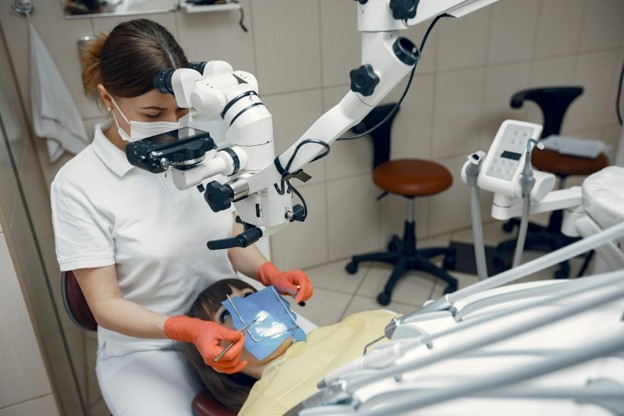
If you need a dental crown in Cary, NC, you might wonder how CEREC technology can simplify the process. This system uses digital scans and CAD/CAM software to design and mill a custom ceramic crown right in the office. The precision and efficiency reduce your treatment time considerably. But understanding each step and how it compares to traditional crowns can help you see why this approach is gaining popularity.
CEREC crown technology is a cutting-edge dental restoration method that allows you to receive a custom-made ceramic crown in a single visit. Utilizing advanced CAD/CAM (computer-aided design and manufacturing) systems, Cerec technology captures precise 3D images of your tooth, eliminating the need for traditional impressions. The digital design is then sent to an on-site milling unit, which fabricates your crown from high-quality ceramic material with exceptional accuracy. This dental innovation streamlines the restoration process by integrating imaging, design, and fabrication into one seamless workflow. As a result, you benefit from a durable, aesthetic crown that matches your natural dentition. Cerec technology represents a significant advancement in dental care, enhancing precision and efficiency while reducing treatment time and multiple visits.
Although traditional crown procedures often require multiple visits and temporary restorations, CEREC crown treatment in Cary allows you to receive a permanent, custom-fit crown in just one appointment. This considerably enhances dental convenience by reducing chair time and eliminating the need for additional visits. The precise digital impressions and CAD/CAM design guarantee ideal fit and durability, directly improving patient satisfaction. You benefit from fewer disruptions to your daily routine and avoid the discomfort associated with temporary crowns. Additionally, the biocompatible ceramic materials used in CEREC crowns provide excellent aesthetics and longevity. Overall, this streamlined process offers a technologically advanced solution tailored to your individual needs, making restorative dental care in Cary both efficient and patient-centered.
When you come in for your crown procedure, the process begins with a thorough examination and digital scanning of the affected tooth. This scan captures precise details, allowing for an accurate 3D model. Next, the design process takes place using specialized software, where your dentist customizes the crown’s shape and contours to guarantee a perfect fit with your bite and adjacent teeth. Once the design is finalized, the crown is milled on-site from a solid ceramic block, providing durability and natural aesthetics. After milling, your dentist will perform the crown fitting, making any necessary adjustments for comfort and bite alignment. Finally, the crown is polished and securely bonded to your tooth, completing the restoration efficiently in a single visit.
The digital scanning process captures detailed images of your tooth, forming the foundation for the crown’s design. Using advanced 3D scanning technology, your dentist acquires a precise, three-dimensional digital model of the prepared tooth and surrounding structures. This model enables highly accurate measurements and visualizations, allowing the dental software to create a crown design that fits perfectly. The enhanced design precision reduces the likelihood of errors common with traditional impressions, such as distortion or incomplete data. As a result, the crown restoration achieves ideal contact points, proper occlusion, and seamless margins. By relying on 3D imaging, your dental team guarantees that the final crown integrates accurately with your bite and neighboring teeth, improving both function and durability while minimizing adjustments during placement.
CEREC crowns are crafted from high-quality materials designed to balance strength, aesthetics, and biocompatibility. Primarily, ceramic materials are favored due to their durability and natural translucency, closely mimicking the appearance of your natural tooth enamel. These ceramics resist wear and staining, ensuring your crown maintains its integrity over time. In some cases, resin composites are used, offering flexibility and ease of adjustment during placement. Resin composites provide a strong bond to your tooth structure but may exhibit less longevity compared to ceramics. The choice between ceramic materials and resin composites depends on factors like the crown’s location, functional demands, and your oral environment. Understanding these materials helps you appreciate the precision behind your CEREC crown’s fabrication and long-term performance.
Milling machines shape your dental restoration with remarkable accuracy by carving crowns directly from solid blocks of ceramic or composite materials. This process relies heavily on milling precision, which guarantees the crown fits perfectly onto your prepared tooth, minimizing adjustments and improving comfort. The machine’s advanced software guides diamond-coated burs to sculpt intricate details, replicating your tooth’s natural anatomy. Additionally, machine durability is critical; robust construction and high-quality components allow consistent performance despite repetitive use, maintaining accuracy over time. This durability also reduces downtime for maintenance, guaranteeing efficient workflow during your dental visit. Overall, milling machines are essential in CEREC dentistry, delivering restorations that combine exact fit, functional strength, and aesthetic appeal through precise, reliable manufacturing technology.
Understanding how crowns are fabricated with milling machines sets the stage for comparing CEREC crowns to traditional dental crowns. When you evaluate these options, it’s important to reflect on the distinct Cerec advantages and traditional drawbacks. CEREC crowns are digitally designed and milled in-office, providing precision and durability. Traditional crowns often require multiple visits, relying on physical impressions and lab fabrication.
Key points to reflect on include:
This comparison highlights why many prefer CEREC technology in modern dentistry.
Although traditional crowns often require multiple dental visits, this process can be streamlined considerably with advanced digital dentistry. CEREC technology leverages precise 3D imaging and computer-aided design to fabricate crowns in-office, dramatically enhancing Cerec efficiency. Instead of waiting days or weeks for a dental lab to produce your crown, your dentist can design, mill, and place it during a single appointment. This appointment reduction means you save time and experience less inconvenience. The digital workflow eliminates the need for temporary crowns and multiple fittings, minimizing adjustments. Consequently, you benefit from a faster treatment timeline without sacrificing accuracy or fit. By integrating CEREC technology, Cary NC dental offices optimize patient care, making crown placement more efficient and convenient than ever before.
To guarantee the durability of your CEREC crown, you’ll need to maintain rigorous oral hygiene, including regular brushing and flossing around the restoration. Avoiding excessive force or grinding can also prolong its lifespan, which typically ranges from 10 to 15 years. Regular dental check-ups will help monitor the crown’s condition and address any issues early.
Since CEREC crowns are designed for durability, maintaining their integrity depends largely on your daily cleaning routine and care habits. Effective crown cleaning and crown maintenance guarantee the restoration functions at its best and prevents complications like plaque buildup or damage to the crown’s surface. You should incorporate these key practices into your oral hygiene regimen:
Adhering to these practices helps preserve the crown’s structural integrity and aesthetic appearance over time.
While the lifespan of a CEREC crown can vary based on individual factors, you can generally expect it to last between 10 to 15 years with proper care. Crown durability hinges on material quality, oral hygiene, and your bite forces. Ceramic crowns fabricated with CEREC technology exhibit high resistance to wear and fracture, contributing to their longevity. To maximize durability, avoid habits like teeth grinding and guarantee regular dental check-ups. Monitoring crown margins and surrounding gum tissue is essential to prevent complications that can reduce lifespan. Patient satisfaction correlates strongly with crown performance and longevity, making maintenance vital. By adhering to recommended care protocols and promptly addressing any dental issues, you can greatly extend your CEREC crown’s functional life and maintain ideal oral health.
How can you guarantee your dentist in Cary is skilled in using CEREC technology? Start by verifying their specific Cerec experience, as proficiency directly impacts restoration quality and fit. Not all Cary dentists have the same level of expertise with this advanced CAD/CAM system. To ascertain ideal results, consider these factors:
You’ll find that many dental plans include insurance coverage for Cerec crowns, but it varies. It’s essential to check your specific dental plan details, as some may limit coverage or require pre-authorization for these crowns.
You can use Cerec crowns in pediatric dentistry, but they’re typically reserved for older children with permanent teeth. For younger kids, traditional crowns or other treatments are preferred, ensuring proper fit and durability in growing mouths.
Cerec crown pricing in Cary typically ranges from $1,000 to $1,500 per crown. Cary dental costs vary by office, but this range reflects materials, design, and milling technology involved in creating precise, durable restorations efficiently.
You won’t face significant risks with Cerec crowns, given their durability and strong materials. However, improper Cerec crown maintenance can lead to wear or gum irritation, so follow your dentist’s care instructions carefully to avoid side effects.
If your CEREC crown gets damaged or falls out, you’ll need to visit your dentist promptly. They’ll assess whether repair is possible or if crown replacement options are necessary to restore proper function and fit efficiently.

The average American will have three dental fillings in their lifetime—yet 73% of patients report being surprised by the final cost of their dental work, according to the American Dental …
Posted Feb 27, 2026 Dental Care Dentistry
Connecting innovation decision makers to authoritative information, institutions, people and insights.

Medigy accurately delivers healthcare and technology information, news and insight from around the world.
Medigy surfaces the world's best crowdsourced health tech offerings with social interactions and peer reviews.
© 2026 Netspective Foundation, Inc. All Rights Reserved.
Built on Mar 25, 2026 at 1:20pm