

Managing Editor
@ShahidNShah
@ShahidNShah
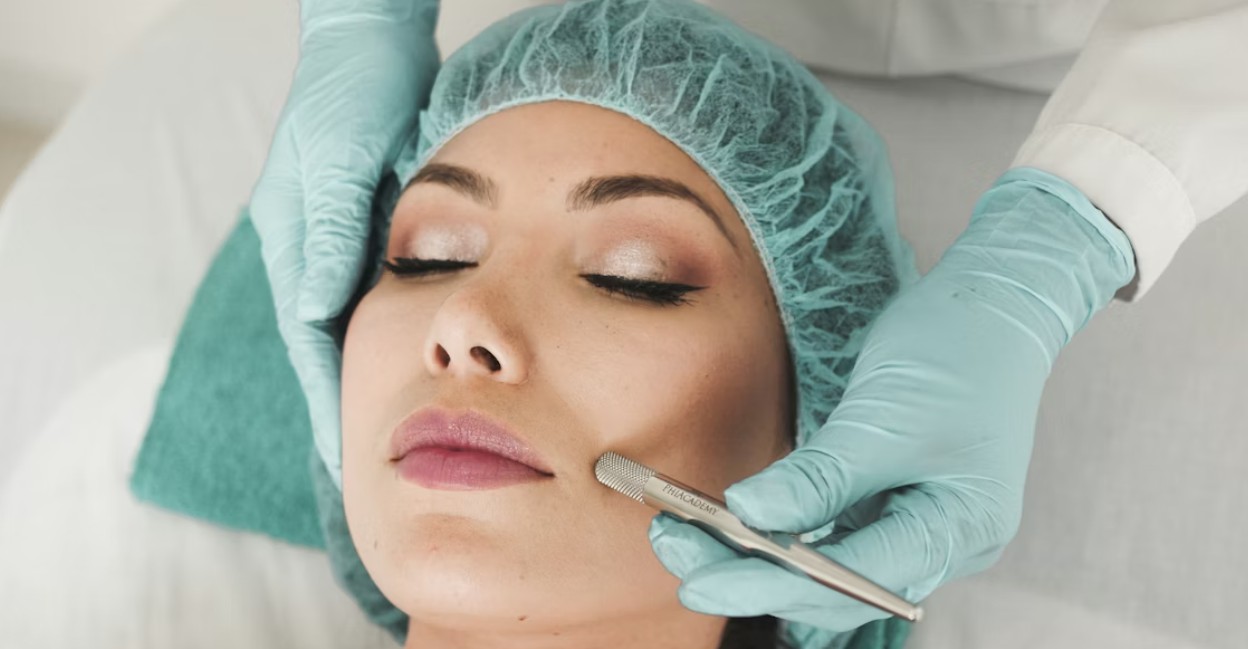
Artificial intelligence is reshaping how dermatologists diagnose skin conditions, personalize treatments, and manage patient care across Austin. What began as experimental technology has evolved into practical clinical tools that enhance diagnostic precision and expand access to specialized care. For patients navigating everything from persistent acne to potential melanoma, these advances represent a meaningful shift in how skin health is monitored and maintained.
The integration of AI into dermatology practices reflects broader changes in healthcare delivery—where data analysis, pattern recognition, and predictive modeling are becoming standard components of patient evaluation. Austin’s dermatology community has been particularly receptive to these technologies, positioning the city as a testing ground for innovations that may soon define the specialty nationwide.
Dermatologists manage a clinical spectrum far wider than many patients realize. Beyond treating acne or prescribing anti-aging regimens, these specialists diagnose and monitor conditions ranging from eczema and psoriasis to life-threatening melanomas. In Austin, where outdoor lifestyles and high UV exposure are common, dermatologists play a critical role in skin cancer screening and prevention.
The value of consistent dermatological care extends beyond crisis intervention. Regular skin examinations allow for:
According to the American Academy of Dermatology, early detection dramatically improves outcomes for melanoma, with five-year survival rates exceeding 99% when caught in initial stages. This underscores why routine screenings matter, particularly in sun-intensive regions.
Austin’s dermatology practices have built reputations not only for clinical expertise but also for adopting diagnostic technologies that improve accuracy and patient outcomes. This willingness to integrate new tools—including AI-powered imaging systems—has made the city a hub for progressive dermatological care.
Artificial intelligence in dermatology primarily functions through image analysis and pattern recognition. Algorithms trained on thousands of dermatological images can identify features associated with specific conditions, often detecting subtle variations that might escape initial visual inspection.
Current applications include:
Research published in Nature Medicine demonstrated that deep learning algorithms could match or exceed dermatologist-level accuracy in classifying skin cancers from photographs. While these findings don’t suggest AI will replace clinical expertise, they indicate significant potential for augmenting diagnostic capabilities, particularly in settings where specialist access is limited.
Austin practices incorporating these technologies report improved workflow efficiency and enhanced patient communication. Visual AI outputs help patients understand why certain lesions warrant biopsy or closer monitoring, making abstract clinical concerns more tangible.
Austin’s growing population has created a robust dermatology market, but not all practices offer equivalent expertise or technological capabilities. Patients seeking care should consider several factors beyond convenience and insurance acceptance.
Key evaluation criteria include:
For patients in South Austin, Revelus Dermatology serves as one of several practices incorporating advanced diagnostic technologies into everyday clinical care. Comparable options include Westlake Dermatology and U.S. Dermatology Partners. While location convenience can support better continuity and follow-up adherence, the decisive factor should remain the breadth of clinical expertise and diagnostic capability.
Patients should also inquire about teledermatology options, which have expanded significantly since 2020. While not appropriate for all conditions, virtual consultations can be effective for follow-ups, medication adjustments, or initial evaluations of non-urgent concerns.
One of AI’s most promising applications in dermatology involves treatment personalization. Traditional approaches often rely on trial-and-error—prescribing a standard acne regimen, then adjusting based on patient response. AI systems can analyze patient data to predict which treatments are most likely to succeed for specific individuals.
These systems consider:
A study in JAMA Dermatology found that AI-guided treatment selection for acne resulted in faster clearance rates compared to standard protocols. While these systems require further validation, early results suggest meaningful improvements in treatment efficiency.
Personalization extends beyond prescription medications. AI-powered apps now offer customized skincare routines based on selfie analysis, though dermatologists caution that these consumer tools lack the diagnostic rigor of clinical-grade systems. They may serve as educational resources but shouldn’t replace professional evaluation for concerning symptoms.
The advantages of AI in dermatology extend beyond diagnostic accuracy to encompass workflow optimization and patient experience improvements.
Documented benefits include:
From an operational perspective, AI can reduce the time dermatologists spend on routine image analysis, allowing more focus on complex cases and patient interaction. This efficiency gain becomes particularly valuable as dermatologist shortages persist in many regions, including parts of Texas outside major metropolitan areas.
Patient satisfaction metrics from practices using AI-assisted diagnostics show improvements in perceived thoroughness and communication quality. When patients see visual evidence of why a particular lesion warrants concern, they’re more likely to follow through with recommended biopsies or follow-up appointments.
The trajectory of AI in dermatology points toward increasingly sophisticated applications, though significant challenges remain before these technologies achieve their full potential.
Anticipated developments include:
Artificial intelligence is neither a replacement for dermatological expertise nor a futuristic concept awaiting realization—it’s a present-day tool enhancing how skin conditions are diagnosed, monitored, and treated. For Austin patients, this means access to more precise diagnostics, personalized treatment approaches, and potentially earlier detection of serious conditions.
The most effective dermatological care still depends on the clinical judgment, experience, and patient communication skills that define quality medical practice. AI serves as an augmentation of these capabilities rather than a substitute. Patients benefit most when they seek providers who combine traditional clinical excellence with thoughtful integration of technological tools.
As these technologies continue evolving, the gap between experimental research and everyday clinical practice will narrow. For now, Austin residents have access to dermatology practices at the forefront of this integration, offering a preview of how skin care may be delivered more broadly in coming years.


Artificial intelligence (AI) is becoming an important tool in the healthcare industry, helping to improve efficiency and accuracy in various administrative processes. In medical billing and coding, AI …
Posted Feb 25, 2026 Artificial Intelligence Coding / Billing And Claims
Connecting innovation decision makers to authoritative information, institutions, people and insights.

Medigy accurately delivers healthcare and technology information, news and insight from around the world.
Medigy surfaces the world's best crowdsourced health tech offerings with social interactions and peer reviews.
© 2026 Netspective Foundation, Inc. All Rights Reserved.
Built on Apr 8, 2026 at 1:06pm