

Managing Editor
@ShahidNShah
@ShahidNShah
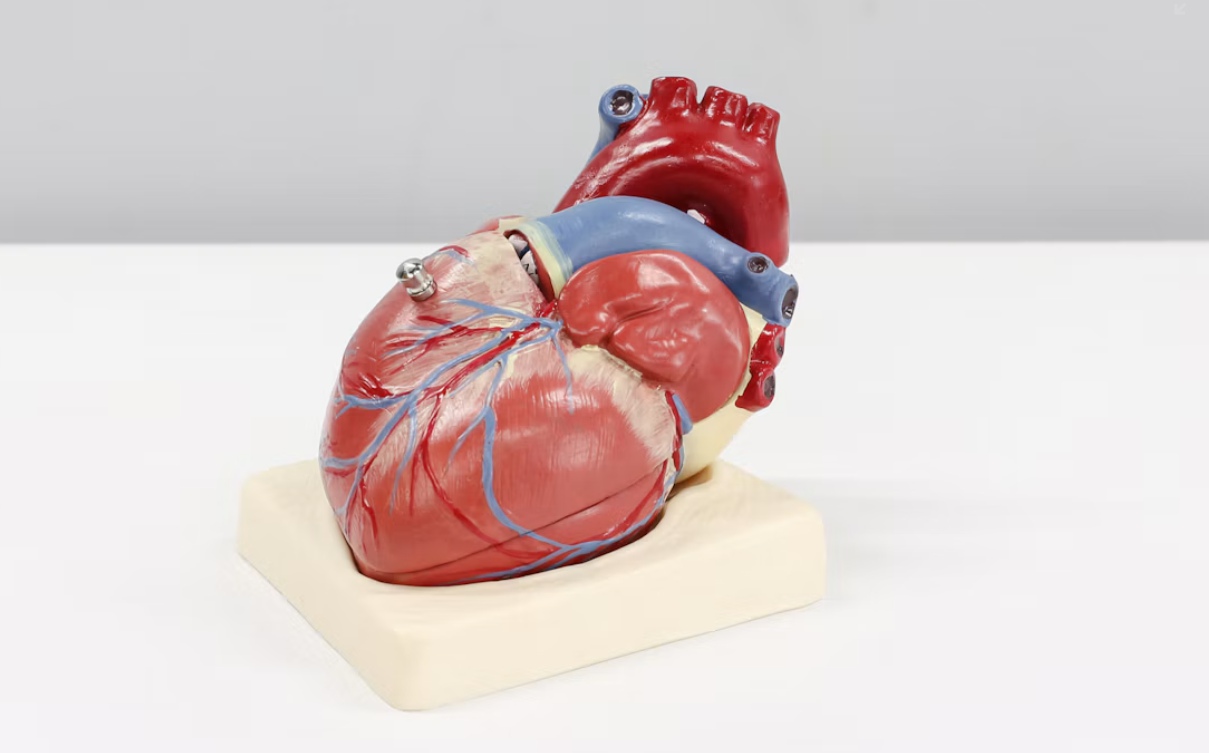
Heart bypass surgery improves blood flow to the heart when the arteries supplying it become narrowed or blocked. It is commonly recommended for people with coronary artery disease when medicines or other treatments may not provide enough relief or protection.
In this blog, we will explain heart bypass surgery, its types, reasons, procedure, and recovery.
Let’s begin!
Heart bypass surgery, medically known as coronary artery bypass grafting (CABG), is an operation that creates a new route for blood to reach the heart muscle. During the procedure, a surgeon uses a healthy blood vessel from the chest, arm, or leg to bypass a narrowed or blocked coronary artery.
The new route helps oxygen-rich blood reach the heart muscle. Bypass surgery can relieve chest pain, but it does not remove the underlying coronary artery disease.
Coronary artery disease does not always cause obvious warning signs. Some people notice pressure or tightness in the chest during activity, while others experience breathlessness or unusual fatigue. Symptoms can vary, so new or worsening discomfort should be assessed by a medical professional.
Coronary arteries carry oxygen-rich blood to the heart. Over time, fatty deposits called plaque can build up inside these arteries, making them narrow or blocking blood flow.
When the heart muscle does not receive enough oxygen, a person may experience chest discomfort, breathlessness, or other symptoms. Doctors may consider bypass surgery when:
The decision follows a review of heart tests, symptoms, and individual risk factors. Not every patient with blocked arteries needs surgery. Your doctor will explain what to expect before you agree.
Doctors compare bypass surgery with other treatments, including medicines and angioplasty with stent placement. The aim is to select an option that suits the pattern of disease and the person’s health, rather than relying on one test result alone.
The surgical approach depends on the number and location of blocked arteries, the patient’s health, and the surgeon’s assessment.
In this approach, the surgeon operates while a heart-lung machine temporarily takes over the work of the heart and lungs. The heart is usually stopped for part of the operation, allowing the surgeon to attach the grafts.
Off-pump surgery is performed while the heart continues beating. Special instruments help the surgeon work on the coronary artery.
In selected cases, the surgeon may reach the heart through smaller cuts between the ribs rather than opening the breastbone. It is not suitable for everyone.
Blood vessels for grafts may come from the chest, arm, or leg. The surgeon selects suitable vessels according to their condition and the location of the coronary blockages.
Before surgery, patients undergo tests such as blood investigations, an electrocardiogram, echocardiography, and coronary angiography.
The operation is performed under general anaesthesia. In a traditional procedure, the surgeon opens the chest and obtains a healthy blood vessel, often from the chest or leg. This vessel is attached to the coronary artery beyond the blockage, creating another route for blood flow.
One or more grafts may be used, depending on how many arteries need bypassing. Afterward, the patient is moved to intensive care for monitoring.
The heart bypass surgery cost in India can differ from one hospital to another. The estimate depends on the number of grafts, surgical technique, medical condition, hospital facilities, length of stay, tests, and medicines.
Ask for an itemised estimate covering surgeon fees, anaesthesia, ICU, room charges, tests, and follow-up. A doctor can estimate costs after reviewing medical reports.
Heart bypass surgery is a major operation, and like other surgeries, it carries possible risks. These may include:
Risk depends on age, other illnesses, heart function, and whether surgery is planned or performed in an emergency. The surgical team should explain individual risks before treatment.
Recovery varies. Many people spend around a week in hospital, including time in intensive care, where staff monitor heart rhythm, breathing, and wounds.
Patients may initially feel tired or sore. Gentle movement begins under supervision, followed by a gradual return to daily activities. Recovery often takes six to twelve weeks, though some need longer.
Doctors may recommend:
Contact the care team about fever, wound redness, unusual discharge, or worsening breathlessness. Sudden chest pain requires emergency medical help.
When choosing a cardiac care team, consider the surgeon’s bypass experience, hospital facilities, intensive care, and rehabilitation services.
Searching for the top 10 cardiologists in India can be a starting point, but cardiologists and cardiac surgeons have different roles. A cardiologist evaluates heart disease, while a cardiac surgeon performs bypass surgery. Patients should confirm which specialist they need.
Heart bypass surgery can help restore blood flow to the heart and relieve symptoms caused by severely narrowed or blocked coronary arteries. The right approach depends on test results and overall health. Follow-up, prescribed medicines, and cardiac rehabilitation support recovery.
If you are exploring heart bypass surgery in India, MedSurge India can help you connect with cardiac specialists and hospitals according to your medical needs. Its team assists with hospital selection, medical consultations, and treatment coordination.


Medical billing errors can begin long before a claim reaches an insurance company. An outdated insurance record, an incorrect modifier, or a missing authorization number may seem like a small …
Posted Nov 4, 2026 AI-Automation Coding / Billing And Claims Medical Billing
Connecting innovation decision makers to authoritative information, institutions, people and insights.

Medigy accurately delivers healthcare and technology information, news and insight from around the world.
Medigy surfaces the world's best crowdsourced health tech offerings with social interactions and peer reviews.
© 2026 Netspective Foundation, Inc. All Rights Reserved.
Built on Nov 6, 2026 at 5:05am