

Managing Editor
@ShahidNShah
@ShahidNShah
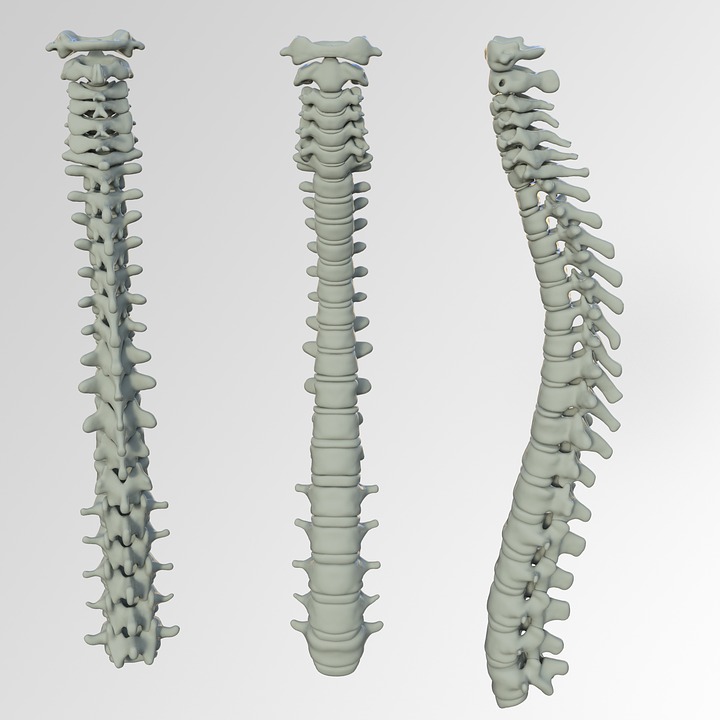
According to the Christopher & Dana Reeve Foundation, over 300,000 Americans live with a spinal cord injury, with over 18,000 new cases per year. While one of the most common causes of spinal cord injuries is car accidents, victims also may suffer a spinal cord injury in workplace accidents, extreme sports incidents, intentional injuries from gun violence, or serious falls.
These patients often require long-term, intensive treatment, while reduced capacity makes it difficult to find employment or engage in caregiving. Though the number of spinal cord injury patients may be small, they have a significant impact on the healthcare system and society at large
Decades of research suggested that spinal cord injuries were incurable and only manageable, but recent advances in medical technology are revealing new ways to improve functionality.
Traumatic spinal cord injuries, such as forklift accidents on construction sites, require immediate stabilization to prevent further damage. In addition to maintaining spinal alignment during transport, controlling bleeding and reducing swelling are essential for preserving function.
A 2025 article published in Brain and Spine found that therapeutic hypothermia during the triage process can mitigate neurotoxic effects from oxidative stress and better attenuate inflammatory responses. One benefit of therapeutic hypothermia is that it can be tailored to the individual patient, particularly injury location, and can be induced through both local and systemic methods. Researchers are also investigating the use of pharmacological hypothermia, such as using capsaicin-derived medications.
There are still key considerations in the use of therapeutic hypothermia, and large-scale studies have not yet been conducted; however, preliminary research suggests promise for this acute intervention.
A key concern for clinicians and patients is monitoring outcomes after hospital discharge, including the identification of potential complications to enable timely intervention. Long-term rehabilitation stays can be stressful for patients and expensive for insurance companies, meaning that less intensive interventions can be both cost-effective and patient-friendly.
Postoperative spinal wearable devices are bridging the gap between home and hospital settings, enabling clinicians to remotely monitor patient progress while delivering more personalized treatment. Subtle changes in movement or range of motion can suggest complications without needing extensive testing. This allows physicians to quickly identify the issue and provide immediate care.
These tools can monitor posture, core stability, and activity levels for weeks or months after surgery, providing a wealth of data for treatment refinement and non-invasive interventions. Through collaboration with physical therapists, surgeons, and other healthcare professionals, patients can become partners in their own care. The data may also improve treatment adherence by providing patients with timely feedback and encouragement regarding progress.
Physicians at the University of Washington have refined the technique for wearable spinal devices to enable transcutaneous spinal stimulation.
Chet Moritz, PhD, has been studying the use of electrical stimulation in spinal cord injury rehabilitation since 2004. Previous attempts required placing electrodes directly into the spine, which was both invasive and potentially dangerous. After consultation with peers, Moritz found that high-frequency waveforms could penetrate deeper into the body tissue without requiring implantation. The wearable external stimulator is about the size of an iPad, but thicker, and is strapped to the body. It releases regular pulses that excite the neuromuscular system, initiating movement.
Jessie Owen was one of the first patients to use the device, having suffered from partial paralysis after a car accident. She used the device while practicing fine motor skills, such as tying shoelaces, and observed rapid improvements in her performance. Even after two years without further electrical stimulation, Owen reported that she retained more than 90% of the functional improvement and required half as much caregiving support.
These advances challenge previous assumptions that spinal cord injuries are impossible to treat. While none of the advances have completely reversed paralysis and loss of motor function, they offer significant promise to patients who were otherwise unable to care for themselves. From adaptations to immediate stabilization, such as therapeutic hypothermia, to long-term treatments like external stimulation, clinicians are unlocking ways to reverse certain symptoms and enhance life satisfaction.
Improved spinal care has a significant impact on both individuals and society at large. The healthcare system benefits from shorter hospital stays, reduced outpatient and rehabilitative treatment, and simplified postoperative monitoring. Previously paralyzed patients may be able to resume employment, reducing the need for long-term disability benefits. On a personal level, patients experience greater life satisfaction through regained independence, personalized support, and reduced dependence on others.
Despite decades of research, spinal cord injury treatment remains one of medicine’s last frontiers due to its complexity. New medical technology is unlocking the mysteries of spinal regeneration, promising healing and independence for millions worldwide.


An injury can seem resolved, then return with symptoms that feel sharper, stranger, and harder to explain. That delay matters. When diagnosis is delayed, the course of care shifts. Symptoms are …
Posted Jan 18, 2026 Care Management
Connecting innovation decision makers to authoritative information, institutions, people and insights.

Medigy accurately delivers healthcare and technology information, news and insight from around the world.
Medigy surfaces the world's best crowdsourced health tech offerings with social interactions and peer reviews.
© 2026 Netspective Foundation, Inc. All Rights Reserved.
Built on Mar 27, 2026 at 12:44pm