

Managing Editor
@ShahidNShah
@ShahidNShah
Selecting the right orthotic and prosthetic solutions for children can be an overwhelming process for families. Parents often face the challenge of balancing medical needs, comfort, and a child’s evolving lifestyle. Comprehensive care is essential to support not just mobility, but also confidence and independence in growing children. How can families ensure they are making the best choices for their child’s unique needs?
Children have distinct anatomical, developmental, and emotional needs compared to adults. When seeking orthotic and prosthetic services, families should prioritize providers with pediatric expertise. Specialists in this area understand growth patterns, activity levels, and the psychological factors that influence a child’s adaptation to new devices. Early intervention and ongoing adjustments are crucial to support healthy development and minimize complications.
A team approach, involving pediatricians, orthotists, prosthetists, therapists, and family members, ensures holistic care. Look for clinics that offer multidisciplinary collaboration. This helps address not only the physical aspects of mobility but also emotional well-being and social participation, which are vital for a child’s overall quality of life.
Selecting comprehensive care involves more than choosing a device. Families should consider several factors when evaluating providers:
A thorough evaluation and fitting process will help ensure the device is tailored to the child’s anatomy and lifestyle. Providers should use high-quality materials and technologies that accommodate growth and changing activity levels, particularly as children become more active or involved in sports.
Children’s needs can range from simple orthotic support to complex prosthetic limbs. The best service providers offer a wide array of solutions, from braces and splints to advanced prosthetic limbs. Customization is key—devices should accommodate not only current size but anticipated growth.
For example, when considering the best prosthetic leg below knee, families should evaluate factors such as weight, durability, and ease of adjustment. Providers should explain all available options, including innovative materials, suspension systems, and cosmetic finishes, to help children feel confident and comfortable with their devices.
Navigating the selection process can be simplified by following this checklist:
Reviewing these questions with potential providers can help families make informed decisions and foster a supportive care relationship.
Family involvement is critical in the adaptation process. Emotional support, encouragement, and open communication help children adjust to new devices. Providers should empower parents and caregivers with resources and training, ensuring they understand the use, cleaning, and maintenance of devices.
Peer support groups and child-focused educational sessions can further aid adaptation. Integrating families into the care team strengthens outcomes and helps children embrace their devices as part of daily life, rather than as limitations.
Children grow rapidly, and their activity levels often change with age. Regular reassessments and timely device modifications are vital. A comprehensive provider will schedule routine follow-ups and maintain open channels for addressing any discomfort, fit issues, or functional changes.
For those seeking childrens prosthetics, it’s important that devices can be adjusted or replaced as children mature and their needs evolve. Providers who anticipate and plan for these transitions help minimize disruptions and support active, healthy lifestyles.
Ultimately, the goal of pediatric orthotic and prosthetic care is to empower children to participate fully in their communities. Comfort and functionality are equally important—children should feel confident and capable, whether at school, in sports, or during play. Providers must balance technical excellence with empathy and creativity, ensuring every child has the tools and support to thrive.
Choosing comprehensive orthotic and prosthetic services for children demands more than technical expertise; it requires a holistic, adaptable, and family-centered approach. Prioritizing pediatric experience, ongoing support, and individualized device solutions ensures children receive not just mobility, but confidence and inclusion. As technology and care models advance, families and providers together can foster resilience and independence, empowering young lives to move forward with assurance and joy.

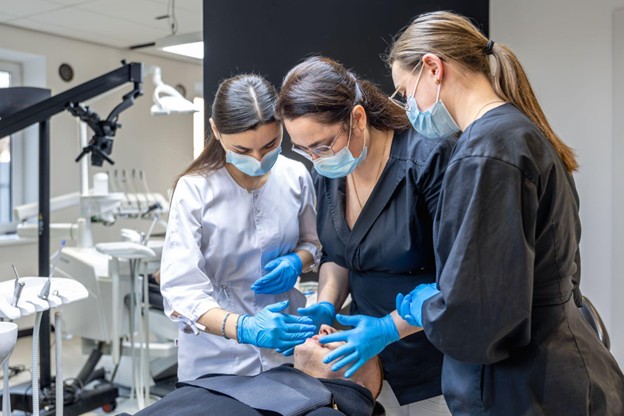
Imagine a dental procedure in which 3D imaging and AI-driven planning replace the traditional “measure and place” methods. As restorative dentistry enters a new era of innovation, the …
Posted Mar 24, 2026 Dental Care Dentistry
Connecting innovation decision makers to authoritative information, institutions, people and insights.

Medigy accurately delivers healthcare and technology information, news and insight from around the world.
Medigy surfaces the world's best crowdsourced health tech offerings with social interactions and peer reviews.
© 2026 Netspective Foundation, Inc. All Rights Reserved.
Built on Mar 26, 2026 at 3:36pm