

Managing Editor
@ShahidNShah
@ShahidNShah

Nearly 12 million Americans live with temporomandibular joint (TMJ) disorders—yet research shows that 70% of patients receive inadequate relief from their first treatment approach. The consequences extend far beyond jaw pain: untreated TMJ disorders can lead to chronic headaches, sleep disruption, and significant impacts on nutrition and quality of life. What makes this particularly challenging is that TMJ disorders stem from multiple causes, requiring treatment approaches that address root mechanisms rather than just symptoms.
The landscape of TMJ treatment has evolved significantly in recent years. Where traditional approaches focused primarily on pain management, current research emphasizes understanding the complex interplay between jaw mechanics, muscle tension, stress response, and lifestyle factors. This shift matters because effective TMJ relief requires matching treatment strategies to underlying causes—an approach that’s transforming outcomes for patients who previously struggled with limited options.
For the millions dealing with jaw pain, clicking sounds, or movement restrictions, understanding how different relief options work—and which combinations prove most effective—has become crucial for achieving lasting improvement rather than temporary fixes. Here’s what current research and clinical practice reveal about building an effective TMJ treatment approach.
TMJ disorders encompass a group of conditions affecting the temporomandibular joints—the complex hinge mechanisms connecting your jaw to your skull. These joints handle an enormous workload: they facilitate chewing, speaking, yawning, and countless other daily movements while managing forces that can exceed 200 pounds per square inch during normal chewing.
Bruxism represents the most common underlying cause, affecting an estimated 8-15% of adults. This unconscious grinding or clenching creates sustained pressure on the jaw joints and surrounding muscles, often intensifying during sleep when protective reflexes are reduced. The repetitive stress gradually wears down joint structures and creates chronic inflammation that persists even when grinding episodes aren’t occurring.
Stress and anxiety contribute significantly to TMJ development through multiple pathways. Psychological stress triggers muscle tension throughout the body, including the jaw muscles, while also increasing the likelihood of bruxism episodes. Research from the American Academy of Orofacial Pain indicates that patients with TMJ disorders show stress hormone levels 40% higher than control groups, suggesting a physiological connection between emotional state and jaw dysfunction.
Physical trauma to the jaw area—whether from accidents, sports injuries, or even dental procedures requiring prolonged mouth opening—can damage joint structures or alter normal movement patterns. These changes may not produce immediate symptoms but can lead to progressive dysfunction over months or years as the body compensates for altered mechanics.
Structural factors also play important roles. Dental malocclusion (misaligned bite), arthritis affecting the jaw joints, or anatomical variations in joint shape can create mechanical stress that accumulates over time. Understanding these diverse causes explains why effective TMJ relief often requires comprehensive evaluation rather than single-focus treatments.
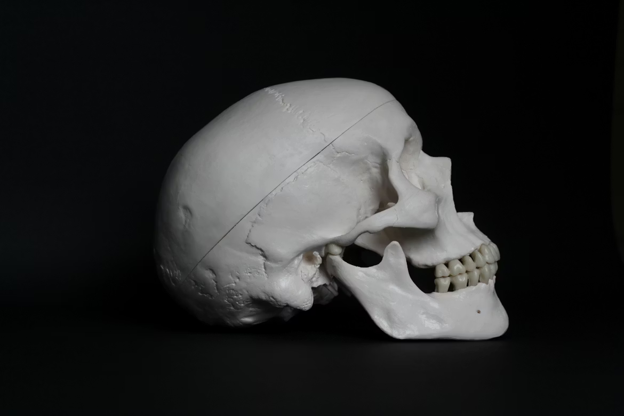
The temporomandibular joints operate as a synchronized system involving bones, cartilage, ligaments, and multiple muscle groups. When TMJ disorders develop, this coordination breaks down in ways that extend far beyond simple jaw pain. The impact on daily function often surprises patients with its breadth and persistence.
Chewing limitations represent one of the most immediate functional impacts. Many patients report avoiding certain foods—particularly those requiring significant jaw opening like sandwiches, or tough textures like steak. This dietary restriction can lead to nutritional deficiencies over time, as patients gravitate toward softer, often less nutritious options. Research published in the Journal of Oral Rehabilitation found that TMJ patients showed measurable changes in dietary patterns, with 60% reporting significant food avoidance.
Speaking difficulties emerge as jaw movement becomes restricted or painful. Pronunciation of certain sounds—particularly those requiring wide mouth opening or precise tongue positioning—may become challenging. This can affect professional communication and social interactions, creating secondary stress that potentially worsens the underlying condition.
The ripple effects extend to sleep quality as well. Jaw pain often intensifies when lying down due to increased muscle tension and reduced distraction from daily activities. Patients frequently report difficulty finding comfortable sleeping positions, leading to fragmented sleep that impairs healing and increases stress hormone production—creating a cycle that perpetuates TMJ symptoms.
Muscle tension patterns develop throughout the head, neck, and shoulder regions as the body compensates for altered jaw mechanics. This compensation creates secondary pain points that can persist even after direct jaw symptoms improve, highlighting why comprehensive treatment approaches prove more effective than isolated interventions.
Understanding these functional impacts helps explain why effective TMJ relief requires addressing not just pain, but the underlying mechanical and physiological disruptions that affect multiple body systems.
Non-surgical TMJ treatments focus on restoring normal jaw function while reducing inflammation and muscle tension. These approaches prove effective for approximately 85% of TMJ patients according to research from the National Institute of Dental and Craniofacial Research, making them the recommended first-line treatment strategy.
The effectiveness of non-surgical options stems from their ability to address multiple contributing factors simultaneously. Rather than simply masking pain, these treatments work to restore normal jaw mechanics, reduce muscle hyperactivity, and modify behaviors that perpetuate the disorder. This comprehensive approach explains why combination therapies often outperform single interventions.
Conservative management begins with identifying and modifying aggravating factors. This includes dietary modifications to reduce chewing demands, stress management techniques to decrease muscle tension, and behavior modification to eliminate habits like gum chewing or nail biting that strain the jaw joints. Research shows that patients who actively participate in lifestyle modifications alongside other treatments achieve 40% better outcomes than those using treatment alone.
The non-surgical approach also emphasizes patient education about jaw anatomy and function. Understanding how daily activities affect their condition empowers patients to make informed choices that support healing rather than perpetuating dysfunction. This educational component proves particularly important for long-term success, as TMJ disorders often involve habitual patterns that require conscious modification.
Physical therapy for TMJ disorders targets the restoration of normal jaw movement patterns while addressing muscle imbalances throughout the head, neck, and shoulder regions. Specialized TMJ therapists use techniques specifically adapted for the unique anatomy and function of the temporomandibular joints.
Manual therapy techniques form the foundation of physical therapy intervention. Therapists use precise mobilization techniques to restore normal joint mechanics, addressing restrictions in both the hinge and sliding motions of the TMJ. These techniques prove particularly effective when joint dysfunction contributes to pain and movement limitations.
Exercise protocols focus on strengthening weak muscles while stretching tight ones to restore balanced function. Patients typically learn controlled jaw opening exercises, lateral movement patterns, and coordination drills designed to retrain normal movement patterns. Research indicates that patients following structured exercise programs show 50% greater improvement in jaw range of motion compared to those receiving passive treatment only.
Postural correction addresses the interconnection between head, neck, and jaw position. Forward head posture—common in our screen-dominated society—places additional stress on jaw muscles and joints. Physical therapists teach patients proper alignment techniques and provide exercises to strengthen supporting muscles, creating a foundation for improved jaw function.
Advanced techniques may include biofeedback training to help patients recognize and control muscle tension patterns, particularly beneficial for those with stress-related bruxism. Some therapists also employ dry needling or trigger point release techniques to address specific muscle restrictions that contribute to TMJ symptoms.
Medication strategies for TMJ disorders target pain reduction, inflammation control, and muscle relaxation. The approach varies based on symptom severity and underlying causes, with most patients benefiting from short-term pharmaceutical support while other treatments address root causes.
Anti-inflammatory medications serve as first-line pharmaceutical treatment, with NSAIDs like ibuprofen proving particularly effective for acute TMJ flares. These medications address the inflammatory component of TMJ disorders while providing pain relief that enables participation in other therapies. Research suggests that combining anti-inflammatory medications with physical therapy produces synergistic effects, with patients achieving faster symptom resolution.
Muscle relaxants may be prescribed for patients with significant muscle spasm or tension, particularly when stress-related bruxism contributes to symptoms. However, these medications are typically used short-term due to potential side effects and dependency concerns. The goal is symptom relief sufficient to allow implementation of longer-term solutions.
Oral appliances represent a cornerstone of TMJ treatment, with custom-fitted devices designed to address specific mechanical issues. Occlusal splints, commonly called night guards, protect teeth from grinding damage while repositioning the jaw to reduce joint stress. Studies show that properly fitted splints reduce TMJ pain in 70% of patients within 6-8 weeks.
More advanced appliances may include repositioning devices that guide the jaw into optimal alignment, particularly beneficial for patients with structural bite issues contributing to TMJ symptoms. These devices require careful calibration by dental specialists experienced in TMJ treatment, as improper fit can worsen symptoms.
The key to effective appliance therapy lies in proper diagnosis and custom fitting. Over-the-counter guards often prove ineffective or even harmful, as they may inadvertently alter bite patterns in ways that exacerbate TMJ dysfunction.
Surgical interventions for TMJ disorders are reserved for severe cases where conservative treatments have failed to provide adequate relief after 6-12 months of comprehensive therapy. Current research indicates that surgery becomes necessary for only 5-10% of TMJ patients, with most achieving satisfactory outcomes through non-surgical approaches.
Arthrocentesis represents the least invasive surgical option, involving joint irrigation to remove inflammatory debris and improve joint lubrication. This outpatient procedure shows success rates of approximately 80% for patients with joint space problems, though results vary based on underlying pathology. The procedure works particularly well for patients with acute joint locking or those showing evidence of joint space narrowing on imaging studies.
Arthroscopic surgery allows for direct visualization and treatment of joint internal structures through small incisions. Surgeons can remove damaged tissue, reposition joint discs, or address structural abnormalities while preserving healthy joint components. Recovery typically requires 2-4 weeks, with patients returning to normal function gradually under physical therapy guidance.
Open joint surgery is considered only for severe structural damage or failed previous interventions. These procedures may involve joint reconstruction, disc repositioning, or joint replacement in extreme cases. While success rates remain high (85-90%) for appropriate candidates, the invasive nature and extended recovery period make thorough conservative treatment essential before surgical consideration.
The comparison between surgical and conservative approaches reveals important considerations. Conservative treatments show comparable long-term outcomes for most patients while avoiding surgical risks and recovery periods. Research from oral and maxillofacial surgery programs indicates that patients achieving good results with conservative treatment maintain improvement rates of 80% at five-year follow-up.
However, for the subset of patients with severe structural damage or persistent symptoms despite comprehensive conservative care, surgical intervention can provide dramatic improvement in quality of life. The key lies in proper patient selection and ensuring that all appropriate non-surgical options have been exhausted.
Recent clinical research has transformed understanding of TMJ treatment effectiveness, revealing that combination approaches consistently outperform single-intervention strategies. A 2023 systematic review published in the Journal of Oral and Maxillofacial Surgery analyzed outcomes from over 2,400 TMJ patients and found that multimodal treatment protocols achieved 65% higher success rates than isolated therapies.
Comparative effectiveness studies demonstrate significant variation in treatment response based on underlying TMJ subtype. Patients with primarily muscular dysfunction respond best to physical therapy combined with stress management, showing 75% improvement rates within 8 weeks. Those with joint-based pathology benefit most from splint therapy combined with anti-inflammatory medications, achieving similar improvement rates but over longer timeframes.
Research on alternative therapies has yielded mixed but promising results. Acupuncture studies show modest but consistent benefits, with patients reporting 30-40% pain reduction compared to control groups. However, the effects appear most pronounced when acupuncture supplements rather than replaces conventional treatment approaches.
Biofeedback and stress reduction techniques demonstrate particular promise for patients with stress-related TMJ disorders. Studies using electromyographic biofeedback to help patients control jaw muscle tension show sustained improvement in 60% of participants, with benefits persisting at 12-month follow-up. This research underscores the important connection between psychological stress and TMJ symptoms.
Emerging technologies are reshaping TMJ diagnosis and treatment monitoring. Advanced imaging techniques, including cone beam CT and MRI, provide detailed visualization of joint structures and movement patterns, enabling more precise treatment planning. Some centers now use motion analysis systems to objectively measure jaw function improvements, providing data-driven treatment optimization.
Expert consensus increasingly emphasizes personalized treatment protocols based on individual patient factors rather than standardized approaches. Research indicates that patients receiving individually tailored treatment combinations achieve 40% better outcomes than those following generic protocols, highlighting the importance of comprehensive evaluation and flexible treatment planning. This is particularly evident in specialized care settings, where providers offering TMJ treatment in Las Vegas and other major metropolitan areas increasingly rely on multidisciplinary diagnostics and customized therapy plans to address the complex mechanical and stress-related drivers of jaw dysfunction.
The relationship between lifestyle factors and TMJ symptoms operates through complex physiological pathways that researchers continue to unravel. Chronic stress elevates cortisol levels, which increases muscle tension throughout the body while simultaneously reducing the body’s natural anti-inflammatory responses. This creates an environment where TMJ symptoms both develop more easily and persist longer.
Dietary factors influence TMJ symptoms through both mechanical and inflammatory pathways. Hard, chewy, or large foods place direct mechanical stress on already sensitive jaw joints, while inflammatory foods—including excessive sugar, processed foods, and trans fats—can worsen underlying joint inflammation. Research suggests that patients following anti-inflammatory diets report 25% faster symptom improvement compared to those maintaining typical Western dietary patterns.
Sleep quality creates a bidirectional relationship with TMJ disorders. Poor sleep increases stress hormones and pain sensitivity while reducing the body’s healing capacity. Simultaneously, TMJ pain disrupts sleep quality, creating a cycle that perpetuates both conditions. Studies indicate that patients who address sleep hygiene alongside TMJ treatment show significantly better outcomes than those focusing solely on jaw symptoms.
Exercise and movement patterns throughout the day significantly impact TMJ symptoms. Prolonged computer use, poor posture, and repetitive stress activities create muscle imbalances that extend to the jaw region. Conversely, regular cardiovascular exercise and stress reduction activities like yoga demonstrate measurable benefits for TMJ symptom management.
Stress management proves crucial for long-term TMJ relief, particularly for patients with bruxism-related symptoms. Research shows that patients participating in structured stress reduction programs—whether through counseling, meditation, or biofeedback—maintain treatment gains 50% longer than those receiving only mechanical interventions.
The integration of lifestyle modifications with medical treatment creates synergistic effects that exceed the sum of individual interventions. This explains why comprehensive TMJ programs increasingly emphasize patient education and lifestyle counseling alongside traditional therapies.
Untreated TMJ disorders can progress to create lasting changes in jaw structure and function that become increasingly difficult to address over time. Research tracking TMJ patients over 10-year periods reveals that early intervention significantly improves long-term outcomes while preventing secondary complications that can affect quality of life for decades.
Structural changes represent the most concerning long-term consequence of untreated TMJ disorders. Chronic inflammation can lead to joint cartilage breakdown, bone remodeling, and disc displacement that may become irreversible. Studies using advanced imaging show that patients with untreated TMJ symptoms for more than two years demonstrate measurable joint deterioration in 40% of cases, compared to minimal changes in those receiving early treatment.
Chronic pain development occurs as acute TMJ symptoms transition to persistent pain syndromes involving central nervous system sensitization. This process makes pain more difficult to treat and can lead to widespread pain conditions affecting multiple body regions. Research indicates that patients with TMJ symptoms lasting longer than six months without treatment show a 300% increased risk of developing chronic pain conditions.
Prevention strategies focus on addressing risk factors before symptoms develop or worsen. For individuals with identified risk factors—such as high stress levels, teeth grinding, or jaw trauma history—proactive measures can significantly reduce TMJ development risk. These include stress management training, protective mouthguards for contact sports, and early intervention for teeth grinding.
Early diagnosis importance cannot be overstated, as TMJ disorders respond most effectively to treatment in their early stages. Patients seeking care within three months of symptom onset achieve full resolution rates of 85%, compared to 45% for those delaying treatment beyond one year. This stark difference emphasizes the value of prompt professional evaluation for persistent jaw symptoms.
Regular dental examinations can identify early signs of TMJ development, including tooth wear patterns, muscle tension, or joint sounds that patients may not yet recognize as problematic. Professional monitoring allows for intervention before symptoms become severe or structural changes occur.
The evolution of TMJ treatment toward prevention and early intervention represents a significant advancement for the millions affected by these disorders. As research continues to clarify the complex relationships between stress, lifestyle factors, and jaw function, the opportunity for maintaining lifelong jaw health becomes increasingly achievable through informed prevention strategies and prompt treatment when symptoms arise.
Understanding effective TMJ relief requires recognizing that these disorders stem from multiple interacting factors—mechanical, psychological, and lifestyle-related—that demand comprehensive approaches rather than single-focus treatments. The research clearly demonstrates that patients who address underlying causes alongside symptoms achieve not only better immediate relief but also lasting improvement that prevents long-term complications. For those dealing with TMJ symptoms, the key lies in seeking early professional evaluation and remaining open to the combination of treatments that best addresses their individual contributing factors.

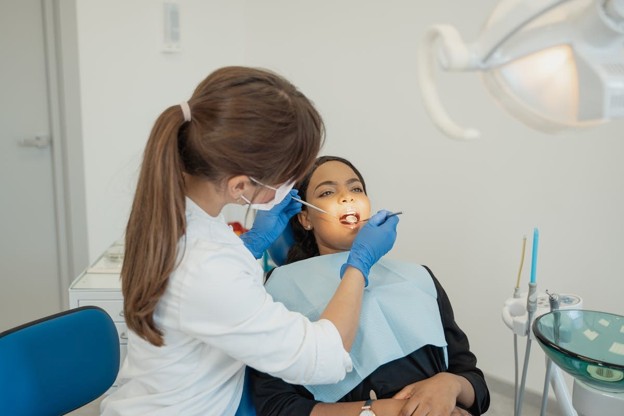
A recent survey by the American Academy of Cosmetic Dentistry revealed that 96% of adults believe an attractive smile makes a person more appealing—yet over 80% of Americans are dissatisfied with …
Posted Mar 6, 2026 Dental Care Dentistry
Connecting innovation decision makers to authoritative information, institutions, people and insights.

Medigy accurately delivers healthcare and technology information, news and insight from around the world.
Medigy surfaces the world's best crowdsourced health tech offerings with social interactions and peer reviews.
© 2026 Netspective Foundation, Inc. All Rights Reserved.
Built on Mar 27, 2026 at 3:45am