

Managing Editor
@ShahidNShah
@ShahidNShah
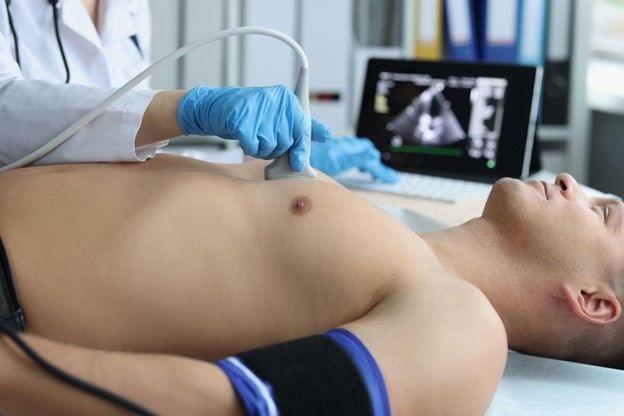
Cardiovascular imaging plays a vital role in the U.S. healthcare system, offering non-invasive methods that help detect, evaluate, and manage heart disease with greater accuracy and safety. As cardiovascular conditions remain a leading cause of morbidity and mortality, Nishi Patel stresses that early diagnosis supported by reliable imaging techniques becomes more important than ever.
Echocardiography and cardiac MRI serve as two fundamental tools in this, each with distinct capabilities tailored to different clinical scenarios. While echocardiography is widely accessible and serves as a frontline diagnostic tool, cardiac MRI adds depth where more precise tissue and structural assessments are needed.
Cardiovascular disease remains a leading health concern across the United States, contributing to a significant number of hospital visits, long-term treatment plans, and healthcare costs. With heart conditions often developing silently, timely detection becomes essential in preventing more serious complications.
Non-invasive imaging plays a central role in identifying early signs of heart disease. These tools help clinicians evaluate heart function, detect structural abnormalities, and guide treatment decisions without requiring surgical procedures. In emergency rooms, outpatient clinics, and routine check-ups, imaging tests support accurate diagnoses that improve outcomes. In some cases, these tools can even help prevent hospital admissions by detecting issues before symptoms escalate.
Echocardiography is often the first imaging test used when a heart issue is suspected. It uses ultrasound waves to create real-time images of the heart, allowing physicians to observe its structure and function with minimal patient discomfort. From detecting valve disorders to assessing heart failure, its versatility makes it a cornerstone in cardiology.
Different techniques, such as transthoracic and transesophageal echocardiograms, offer varying levels of detail depending on the clinical need. In outpatient settings, stress echocardiograms may be used to evaluate how the heart responds to exertion, helping to reveal problems that might not appear under resting conditions.
Its widespread availability, relatively low cost, and safety profile make it a go-to diagnostic method. Still, limitations exist—particularly when image quality is reduced due to factors like body habitus or lung interference—prompting the need for more advanced imaging in select cases. Supplementary views or contrast agents may be used in such situations to improve visualization.
Cardiac MRI offers unmatched detail when echocardiograms fall short, particularly in evaluating soft tissues and detecting subtle abnormalities. It provides a comprehensive view of the heart’s anatomy, function, and tissue characteristics without exposure to ionizing radiation.
This imaging modality is especially useful in diagnosing cardiomyopathies, inflammatory conditions like myocarditis, and congenital heart defects. It can also assess myocardial viability, aiding decisions about advanced therapies or interventions. Its precision has made it increasingly valuable in specialized cardiac centers. Research studies continue to validate its role in risk stratification and long-term disease monitoring.
Despite its advantages, cardiac MRI is not suitable for every patient. Individuals with certain metal implants or severe claustrophobia may not tolerate the procedure well. Additionally, limited access and higher costs can restrict its use, making it a more targeted tool rather than a standard first-line option.
Choosing the right imaging technique often depends on the clinical question at hand. While echocardiograms are excellent for providing functional information quickly, cardiac MRI provides superior anatomical detail and tissue characterization, especially in complex or unclear cases. Physicians consider multiple factors before selecting the most appropriate modality, including patient history, risk profile, and the type of information needed.
Each method has its own strengths and limitations. An echocardiogram may be ideal in evaluating valvular disease or monitoring heart failure progression, whereas MRI tends to be preferred when diagnosing infiltrative conditions or assessing myocardial scarring. In many cases, these tools complement each other rather than compete, offering a more complete picture when used together.
Cardiac imaging is changing rapidly with the integration of cutting-edge technology. Artificial intelligence is now being used to enhance image interpretation, reduce diagnostic errors, and streamline workflow in busy clinical settings. These advancements are helping to improve diagnostic confidence while saving time.
Three-dimensional imaging and advanced software platforms are also transforming how cardiologists visualize the heart. With more precise reconstructions, clinicians can better plan surgical or catheter-based procedures, tailoring treatment to individual anatomy. These innovations are steering the field toward more personalized and predictive approaches to cardiovascular care. Wearable imaging devices and portable scanners are also in development, aiming to extend diagnostic capabilities outside traditional clinical settings.


Choosing the right laser safety glasses depends on understanding laser wavelengths, optical density ratings, and industry requirements. Selecting proper protection reduces risks to the eyes and …
Posted Mar 30, 2026 Ophthalmology
Connecting innovation decision makers to authoritative information, institutions, people and insights.

Medigy accurately delivers healthcare and technology information, news and insight from around the world.
Medigy surfaces the world's best crowdsourced health tech offerings with social interactions and peer reviews.
© 2026 Netspective Foundation, Inc. All Rights Reserved.
Built on Apr 1, 2026 at 1:11pm