

Managing Editor
@ShahidNShah
@ShahidNShah
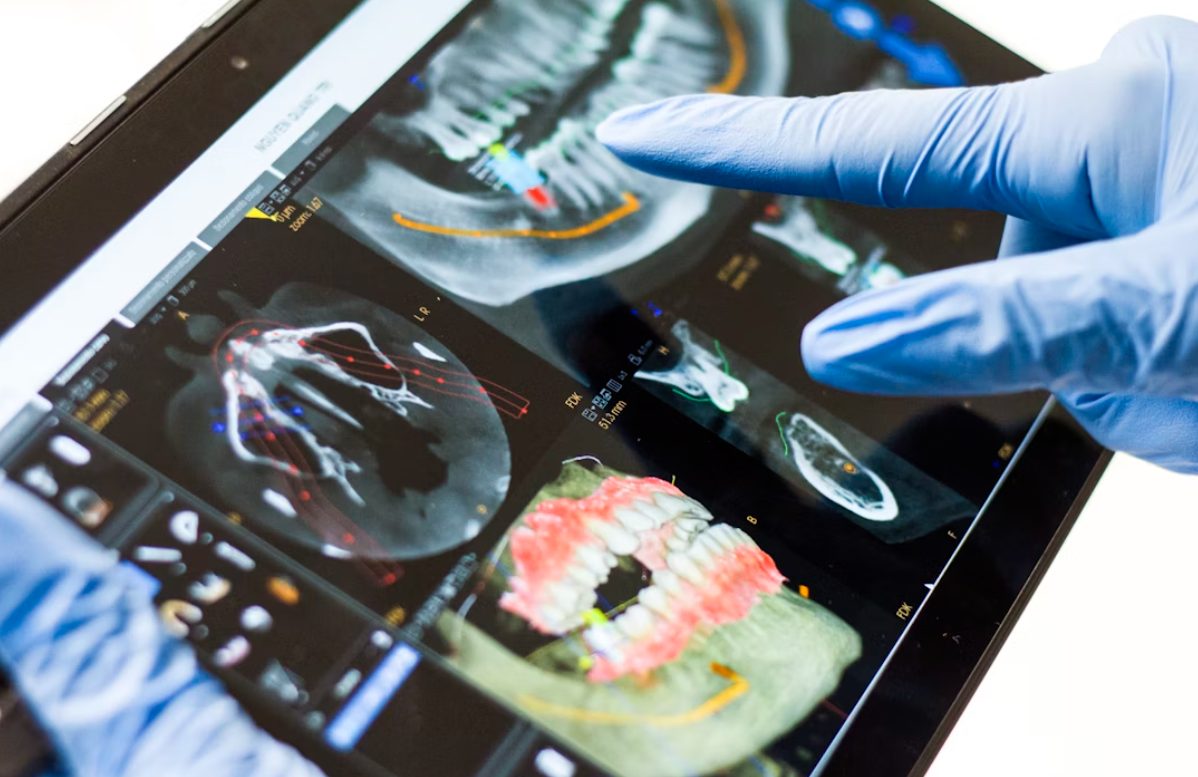
Over the globe, the normal difficulty confronted by grown-ups is losing their tooth, but their characteristic appearance and functional requirement dictate that the dentist decide to work. For anyone looking to replace missing teeth, you have most probably heard about the two main solutions available (dental implants and dentures) and the different advantages each provides. Choosing the right method also has a significant impact on comfort in the long term, satisfaction, and healthy teeth. By finding out which solution lasts longer, people can choose better for their teeth.
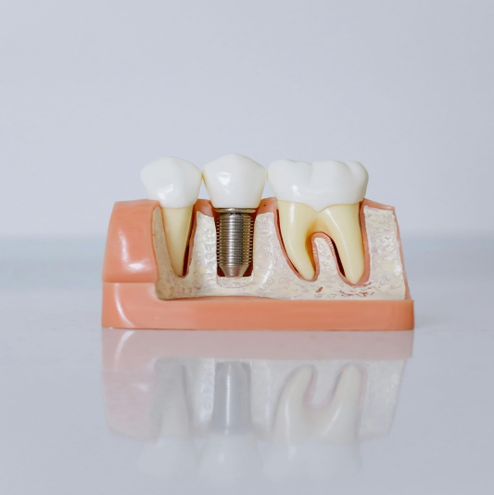
They offer a permanent solution with artificial teeth secured directly in the jawbone (dental implants). This usually includes the placement of a titanium post, which serves as a replacement root. With time, the bone grows around the implant and acts as a foundation for crowns, bridges, or dentures. Similar to a natural tooth structure, implants have the advantage of providing both function and aesthetics. They fuse with bone, making them a powerful support with which patients can speak and chew with confidence. With the best dental implants, Las Vegas individuals enjoy durability, comfort, and a natural look that outlasts removable options.
Dentures are a removable option designed to fit over the gums to replace missing teeth and supporting tissue. They can be either partial, filling spaces when there are teeth in line, or complete, the latter meaning they take the place of all upper or lower teeth. A denture is held in place by suction, glue, or clasps. Due to improvements in materials and design, wearers are both more comfortable and appear nicer. Advancements recently have made removable dentures more stable, yet they are usually still less stable than fixed options during activities such as chewing and speaking.
Dental implants have a reputation for longevity that can extend well into the decades with proper oral hygiene. Research indicates that implants can functionally last for over 20 years in most cases. The design of the implant, along with its firm integration in bone, provides substantial stability and minimizes the chances of any movement or discomfort. Taking proper care of your teeth, regular dental check-ups, and not using tobacco will help prolong the life of your implant.
While working with dentures, they tend to have a shorter life span than implants. As well, the shape of the gums and jawbone changes over time, so most dentures will need to be replaced or modified every five to eight years. As time progresses, the bone under the dentures can actually resorb, making the fit and stability of the appliance poor. To keep one comfortable and functional, they may need to be repositioned or rebased. The durability of dentures necessitates regular repairs or realignments as they age, which can negatively impact prolonged comfort, ease, and satisfaction.
They perform more naturally than other replacements, and you never have to worry about them coming loose while eating or talking. Since they are fixed in place, implants usually feel more like your natural teeth, which makes chewing, talking, and smiling more natural. Despite advancements, dentures are not fixed in place and can also move out of position or slip, especially as the fit becomes problematic over the course of use. Removable appliances can make it difficult to eat specific foods, causing some to refrain from certain textures.
Just like maintaining natural teeth, dental implants require brushing, flossing, and regular dental appointments. Proper oral care will also prevent any infection or gum disease above the implant site. Soak the dental implants overnight and give them a daily scrub, but make sure to do these procedures outside of the mouth. Neglecting to do these tasks can irritate or infect if any food or bacteria has built up. Both require keeping things clean, but once an implant is healed, it generally requires less day-to-day maintenance.
Dental implants have a higher initial cost than dentures. That said, implants last long enough that they may end up being equally or less expensive over the long run. Dentures come with continual costs for periodic replacement, repairs, or relining, the latter of which is a necessity over time. So, for people who are considering a tooth replacement option, a more difficult calculation is weighing the initial investment against future maintenance expenses.
Deciding whether implants or dentures are best for you depends on whether you need results now or are willing to wait to see results down the road. While implants offer a more natural appearance and feel, reduce discomfort, and have a longer lifespan than dentures, dentures are a more cost-effective alternative for those seeking a less invasive method of replacing missing teeth. Ultimately, years, utility, oral health, and how it fits you will determine the final choice.

Going to the dentist can feel stressful, especially if you worry about pain or long waits. Digital dentistry is changing this, using things like intraoral scanners and CAD/CAM technology for faster …
Posted Feb 18, 2026 Dental Care Dentistry
Connecting innovation decision makers to authoritative information, institutions, people and insights.

Medigy accurately delivers healthcare and technology information, news and insight from around the world.
Medigy surfaces the world's best crowdsourced health tech offerings with social interactions and peer reviews.
© 2026 Netspective Foundation, Inc. All Rights Reserved.
Built on Apr 1, 2026 at 1:11pm