

Managing Editor
@ShahidNShah
@ShahidNShah
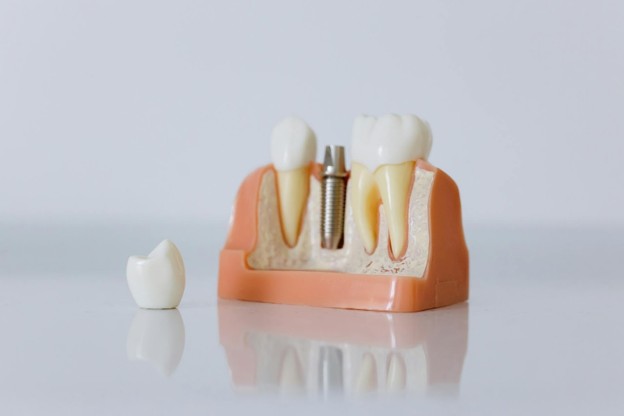
More than 178 million Americans are missing at least one tooth, and around 40 million have lost all of their teeth. Yet only a small fraction of them choose dental implants. This gap is not about lack of awareness. Most people have heard of implants, but many do not fully understand how they work or why they are different from dentures or bridges. Unlike dentures that can shift or bridges that rely on neighboring teeth, dental implants are placed directly into the jawbone, allowing them to function much like a natural tooth root.
This shift toward implant dentistry reflects a deeper change in how tooth loss is treated. Traditional solutions focus on replacing what is visible, resting on the gums or attaching to nearby teeth. Dental implants go further by replacing the entire tooth structure, including the root beneath the surface. That difference is important because losing a tooth affects more than your smile. It impacts bone health, facial structure, and long-term oral stability. Understanding these fundamentals helps explain why many professionals now consider implants the preferred option, especially when exploring implant dentistry solutions in Atlanta.
Understanding how implants work, what types exist, and who benefits most from them helps explain why dental professionals increasingly view them as the gold standard for tooth replacement, especially when considering various implant dentistry solutions in Atlanta. Here’s what the research and clinical experience reveal about this approach to restoring missing teeth.
Dental implants are titanium posts surgically placed into the jawbone to replace missing tooth roots, topped with crowns that restore the visible portion of teeth. Unlike bridges that rely on adjacent teeth for support, or dentures that rest on gum tissue, implants create an independent foundation that doesn’t affect surrounding teeth. The titanium post acts as an artificial root, while the crown provides the chewing surface and aesthetic appearance.
The fundamental difference lies in how implants interact with bone tissue. When you lose a natural tooth, the bone that once supported its root begins to deteriorate—a process called resorption that can reduce bone volume by 25% in the first year alone. Implants halt this process through a biological phenomenon called osseointegration, where titanium actually fuses with living bone tissue. This integration creates a stable foundation that can handle the same chewing forces as natural teeth, which can reach 200 pounds per square inch during normal function.
This biological integration explains why implants feel and function differently than other replacement options. Denture wearers often struggle with foods like corn on the cob or apples because their prosthetics can’t handle significant lateral forces. Bridge recipients may notice sensitivity in the supporting teeth over time. Implant patients typically report that they forget which teeth are artificial because the sensation closely mimics natural tooth function.
The process works because titanium has unique biocompatible properties that encourage bone growth rather than triggering immune rejection. This isn’t accidental—decades of orthopedic research proved that titanium could integrate with bone tissue before dental applications emerged. The same principles that make titanium successful in hip replacements apply to dental implants, creating a track record of biocompatibility that spans multiple medical fields.
Every dental implant system consists of three distinct parts that work together to replace a missing tooth completely. The implant post serves as the artificial root, typically measuring 3-6mm in diameter and 8-16mm in length, depending on available bone volume and anatomical constraints. Made from medical-grade titanium or titanium alloy, these posts feature surface treatments that encourage bone integration—either through microscopic roughening or special coatings that attract bone-forming cells.
The abutment connects the buried implant post to the visible crown, functioning like a natural tooth’s transition from root to crown. Abutments can be made from titanium, zirconia, or gold alloy, with selection depending on aesthetic requirements and the specific restoration design. Custom abutments allow precise angle correction when implants can’t be placed in ideal positions due to anatomical limitations, while stock abutments work well for straightforward cases with good implant positioning.
The crown provides the visible, functional surface that handles chewing and maintains facial aesthetics. Modern implant crowns use either porcelain-fused-to-metal or all-ceramic materials, with zirconia becoming increasingly popular for its strength and natural appearance. Unlike traditional crowns that cover natural tooth structure, implant crowns attach either through screw retention (where a screw hole is filled after placement) or cement retention (where the crown is cemented to the abutment like a traditional crown). Each attachment method offers specific advantages depending on the clinical situation and long-term maintenance requirements.
Osseointegration represents the biological foundation that makes implants superior to other tooth replacement options. When a titanium implant is placed into prepared bone, the body’s natural healing response begins immediately. Rather than forming scar tissue around the foreign object—which would create a weak, unstable connection—bone cells called osteoblasts migrate to the implant surface and begin depositing new bone mineral directly onto the titanium.
This process typically requires 3-6 months for complete integration, though initial stability often develops within 6-8 weeks. During osseointegration, the bone doesn’t just grow around the implant; it actually bonds at the molecular level with the titanium oxide layer that forms on the implant surface. This creates a connection that’s often stronger than the bond between natural tooth roots and surrounding bone, which relies on periodontal ligament fibers rather than direct bone contact.
The strength of osseointegrated implants becomes apparent when comparing survival rates and load capacity. Successfully integrated implants can withstand chewing forces that exceed normal function, making them suitable for patients with heavy bite forces or parafunctional habits like teeth grinding. Research shows that osseointegrated implants maintain their stability over decades, with 10-year success rates exceeding 95% when proper case selection and surgical protocols are followed. This permanence stems from the fact that once osseointegration occurs, the bone-implant interface continues to remodel and strengthen over time, unlike other dental prosthetics that may loosen or wear out.
The variety of implant types and placement approaches reflects the diverse anatomical situations and treatment goals that dental professionals encounter. While all implants share the common goal of replacing missing tooth roots, different designs address specific challenges like limited bone volume, immediate replacement needs, or full-mouth reconstruction requirements. Understanding these options helps explain why implant treatment plans vary significantly between patients, even when replacing the same number of teeth.
Endosteal implants—those placed directly into the jawbone—represent the most common approach and offer the greatest long-term stability. However, patients with insufficient bone height or width may require subperiosteal implants, which rest on top of the bone beneath the gum tissue. Mini implants provide solutions for situations where standard implants won’t fit, while specialized designs like zygomatic implants can anchor into cheekbone structure when upper jaw bone is severely compromised.
Beyond implant design, the timing of placement significantly affects treatment planning and outcomes. Immediate placement involves positioning implants at the same appointment as tooth extraction, potentially reducing total treatment time but requiring specific anatomical conditions for success. Delayed placement allows healing and bone remodeling before implant surgery, offering more predictable outcomes in complex cases. These timing considerations often determine whether patients receive temporary teeth during healing or must wait for final restoration.
The number of teeth being replaced also influences implant selection and placement strategy. Single tooth replacement typically uses one implant per missing tooth, while multiple missing teeth may utilize implant-supported bridges that connect several crowns to fewer implants. Full-mouth reconstruction often employs techniques like All-on-4, where four strategically placed implants support an entire arch of replacement teeth.
Endosteal implants represent the gold standard for most tooth replacement situations because they’re placed directly into the jawbone, creating the strongest possible foundation. These implants require adequate bone height (typically 10mm minimum) and width (6mm minimum) to achieve proper stability and allow for safe distance from anatomical structures like nerves and sinuses. The surgical procedure involves creating a precise opening in the bone using sequential drilling techniques, then threading or pressing the implant into position. Success depends on achieving good primary stability during placement and maintaining proper healing conditions during osseointegration.
Subperiosteal implants serve patients who lack sufficient bone volume for endosteal placement but want to avoid bone grafting procedures. These custom-fabricated frameworks sit on top of the jawbone beneath the gum tissue, with posts extending through the gums to support replacement teeth. While subperiosteal implants can provide functional tooth replacement, they typically offer less stability than endosteal designs and may require more maintenance over time. Modern cone beam CT imaging allows precise fabrication of subperiosteal frameworks, improving fit and reducing complications compared to earlier impression-based techniques. However, most dental professionals prefer bone grafting followed by endosteal implant placement when patients can tolerate the additional procedures, as this approach provides superior long-term outcomes.

Single tooth implants offer the most conservative approach to tooth replacement because they don’t affect adjacent healthy teeth. When replacing one missing tooth, the implant and crown function independently, allowing normal cleaning and maintenance around surrounding natural teeth. This approach preserves natural tooth structure that would need removal for traditional bridge construction, maintaining long-term oral health. Single implants also provide the most natural emergence profile and gum contours, especially important in the aesthetic zone where gum architecture significantly affects appearance.
Multiple tooth replacement with implants can follow several strategies depending on the number and location of missing teeth. Implant-supported bridges use two or more implants to support multiple connected crowns, reducing the total number of implants needed while maintaining excellent stability. This approach works well for replacing 3-4 consecutive missing teeth, where placing individual implants might compromise spacing or create maintenance challenges. Implant-supported partial or complete dentures provide solutions for patients missing many teeth, offering dramatically improved retention and function compared to conventional removable prosthetics. These designs can often restore full chewing function while requiring fewer implants than individual tooth replacement, making treatment more affordable and less surgically intensive.
Immediate implant placement involves positioning the implant at the same appointment as tooth extraction, potentially reducing total treatment time and preserving bone volume. This approach works best when the tooth is lost due to fracture or decay rather than infection, and when adequate bone remains around the extraction site. Immediate placement requires achieving good primary stability in bone apical to the extraction socket, since the socket walls provide minimal initial support. Success depends on careful case selection, with ideal candidates having thick bone walls, minimal infection, and favorable soft tissue conditions.
Delayed implant placement allows 2-4 months for extraction site healing before implant surgery, providing more predictable bone conditions and easier surgical access. This approach suits cases with active infection, significant bone loss around the extracted tooth, or complex anatomical situations requiring careful planning. Delayed placement often yields more predictable osseointegration because the implant is placed into mature bone rather than healing extraction sockets. While treatment time increases, success rates tend to be higher in challenging cases, and the healed tissues provide better aesthetics for implants in visible areas. Many clinicians prefer delayed placement when aesthetic outcomes are critical, as the mature soft tissues allow more precise gum contour development around the final restoration.
The choice between tooth replacement options depends on multiple factors including bone volume, adjacent tooth condition, patient age, maintenance preferences, and budget considerations. Each approach addresses tooth loss differently, with distinct advantages and limitations that become apparent during long-term function. Understanding these differences helps explain why dental professionals increasingly recommend implants despite their higher initial cost and longer treatment time.
Fixed bridges connect crowns to adjacent teeth, distributing chewing forces across multiple roots but requiring removal of healthy tooth structure for crown preparation. Removable partial dentures rely on clasps and tissue support, offering affordability and easy cleaning but limited chewing efficiency. Complete dentures replace entire arches of teeth through suction and adhesive retention, providing basic function but often causing ongoing bone loss and stability issues.
The fundamental difference lies in how each option transfers chewing forces and interacts with surrounding oral structures. Implants transfer forces directly into bone like natural teeth, maintaining bone volume and providing independent function. Bridges transfer forces to adjacent teeth, potentially overloading those roots over time. Removable prosthetics transfer forces to soft tissue and remaining teeth, often causing pressure spots and progressive bone resorption that can affect long-term fit and comfort.
Fixed bridges have served as the traditional standard for replacing missing teeth, offering excellent aesthetics and function when adjacent teeth require crowns anyway. However, bridge construction requires removing significant tooth structure from supporting teeth—typically 60-70% of the crown portion—to create space for crowns. This irreversible procedure puts healthy teeth at risk for nerve damage, decay, or fracture over time. Additionally, bridges create cleaning challenges beneath the connected crowns, requiring special floss threaders or water irrigation for effective plaque removal.
Dental implants preserve adjacent teeth completely, maintaining their natural structure and individual function. This conservation becomes increasingly important as patients age and face potential problems with the supporting teeth. When a bridge fails due to decay or fracture of a supporting tooth, patients often lose multiple teeth instead of just the originally missing one. Implants eliminate this cascade effect by functioning independently. From a maintenance standpoint, implants clean like natural teeth with regular brushing and flossing, while bridges require specialized cleaning tools and techniques throughout their service life. Research comparing 15-year survival rates shows that single implants outperform 3-unit bridges, with implant success rates of 93-96% compared to bridge survival rates of 87-89%, primarily due to complications affecting the supporting teeth.
Traditional dentures rely on suction, muscle control, and adhesive products for retention, providing basic chewing function but significant limitations with firm or sticky foods. Denture wearers often develop compensatory eating habits, cutting food into smaller pieces and avoiding challenging textures that might dislodge their prosthetics. The psychological impact extends beyond dietary restrictions—many denture wearers report anxiety about prosthetic movement during speaking or laughing, affecting social confidence and quality of life.
Implant-supported prosthetics eliminate retention concerns by anchoring directly to the jawbone, allowing normal eating patterns and social confidence. Patients with implant-supported dentures can bite into apples, eat corn on the cob, and enjoy sticky foods without worry. The stability difference becomes apparent during speech, where traditional dentures may click or move during conversation, while implant-supported prosthetics remain completely stable.
The long-term bone health implications represent perhaps the most significant difference between these approaches. Traditional dentures accelerate bone resorption because they don’t provide the stimulation that maintains bone density. Studies show that denture wearers lose 1-4mm of bone height annually, eventually creating severe facial collapse that can make denture retention impossible. Implant-supported prosthetics maintain bone stimulation through normal function, preserving facial height and support indefinitely. This bone preservation often makes implant treatment cost-effective over time, as traditional dentures require frequent adjustments, relines, and eventual replacement as facial anatomy changes. While initial implant costs exceed denture fees, the elimination of ongoing maintenance and replacement costs often results in comparable lifetime expenditure with dramatically superior function and quality of life.
Clinical research on dental implants spans over 50 years, providing extensive data on success rates, longevity, and factors affecting outcomes. The evidence base includes randomized controlled trials, longitudinal cohort studies, and systematic reviews that track thousands of patients over decades. This research foundation supports implant dentistry’s evidence-based protocols and helps predict treatment outcomes for different patient populations and clinical situations.
Long-term survival data consistently shows that properly placed implants maintain function and stability for decades, with 15-year success rates exceeding 93% in most patient populations. However, success varies significantly based on implant location, patient health factors, and maintenance compliance. Upper jaw implants historically showed slightly lower success rates than lower jaw placements due to bone density differences, though modern surface treatments have largely eliminated this gap.
Complications and failure modes occur in predictable patterns that help guide treatment planning and patient selection. Early failures typically result from infection or inadequate osseointegration, while late failures often stem from mechanical complications or peri-implantitis—an inflammatory condition affecting the tissues around implants. Understanding these failure patterns allows dental professionals to implement preventive strategies and identify high-risk patients who may benefit from modified treatment approaches.
Research also reveals significant variability in outcomes based on patient factors like smoking status, diabetes control, and periodontal health history. This data helps establish candidacy guidelines and allows realistic outcome discussions with patients considering implant treatment. The evidence strongly supports implants as the most successful long-term tooth replacement option when proper case selection and surgical protocols are followed.
Fifteen-year longitudinal studies provide the most reliable data on implant longevity, showing cumulative survival rates of 93-96% for single implants and 90-95% for implant-supported prosthetics. These figures come from multiple large-scale studies including the landmark Swedish research that originally established implant protocols and ongoing multicenter trials that track thousands of patients. The data shows that most implant failures occur within the first two years after placement, with failure rates dropping significantly once successful osseointegration is established.
Comparative studies demonstrate clear advantages for implants over alternative treatments in terms of longevity and patient satisfaction. Research comparing implants to fixed bridges over 15 years shows implant survival rates of 93-96% versus bridge survival rates of 87-89%, with bridge failures primarily due to complications affecting supporting teeth. Studies comparing implant-supported dentures to conventional dentures show dramatic differences in patient quality of life scores, chewing efficiency (improved by 200-300%), and nutritional status. These findings help explain the increasing adoption of implant therapy despite higher initial costs.
The research also reveals important trends in implant success over time. Modern implant surfaces and surgical protocols yield success rates that exceed the historical data, with some recent studies showing 98-99% success rates at 5 years. This improvement reflects advances in implant design, surface treatments, and surgical techniques developed through decades of research and clinical experience. However, researchers note that the ultimate test of any dental treatment is 20-30 year data, which is still accumulating for the newest implant innovations.
Smoking represents the most significant modifiable risk factor for implant failure, with research showing 2-3 times higher failure rates in smokers compared to non-smokers. Nicotine reduces blood flow to healing tissues and impairs the cellular processes necessary for osseointegration. Studies demonstrate that smoking cessation 2 weeks before surgery and throughout the healing period significantly improves outcomes, though former smokers still show slightly elevated failure rates compared to never-smokers. Some oral surgeons require smoking cessation as a condition for implant treatment due to the substantial impact on healing.
Diabetes control significantly affects implant success, with well-controlled diabetics showing success rates comparable to non-diabetic patients, while poorly controlled diabetes dramatically increases failure risk. Research indicates that patients with hemoglobin A1c levels below 7% have similar outcomes to non-diabetic patients, while those with A1c levels above 8% show markedly increased failure rates and delayed healing. The relationship stems from diabetes’ effects on immune function, blood flow, and collagen formation—all critical factors in successful osseointegration.
Periodontal disease history influences implant outcomes because the bacteria and inflammatory processes that destroy natural tooth support can similarly affect implant tissues. Studies show that patients with a history of severe periodontitis have 2-3 times higher rates of peri-implantitis—the implant equivalent of gum disease—compared to patients with healthy gum history. However, patients who have successfully maintained periodontal health for several years before implant treatment show outcomes similar to those without periodontal disease history. This finding supports the practice of establishing excellent oral hygiene and periodontal stability before proceeding with implant therapy, particularly in patients with complex medical or dental histories.
Successful implant treatment depends on careful patient evaluation that considers multiple anatomical, medical, and behavioral factors. While implants can replace missing teeth in most patients, optimal outcomes require adequate bone volume, good oral hygiene capabilities, and realistic expectations about treatment time and maintenance requirements. The evaluation process helps identify patients who will benefit most from implant therapy and those who might be better served by alternative treatments.
Age considerations affect candidacy primarily through bone development and overall health status rather than chronological age alone. Young patients must have completed facial growth—typically 17-18 years for females and 19-21 years for males—before implant placement to avoid complications from continued bone development. Older patients can receive implants successfully well into their 80s and 90s provided they have adequate bone volume and can tolerate minor surgery. The key factors are overall health status and healing capacity rather than specific age limits.
Anatomical requirements include sufficient bone height and width to accommodate implant placement with safe distances from critical structures like nerves, sinuses, and adjacent tooth roots. Most locations require at least 10mm of bone height and 6mm of bone width, though these dimensions can be enhanced through bone grafting procedures when natural anatomy is insufficient. The evaluation process uses clinical examination, specialized x-rays, and often 3D cone beam CT scans to assess bone volume and quality accurately.
Medical and behavioral factors can significantly influence treatment success and must be evaluated carefully during the consultation process. Patients taking certain medications, those with specific medical conditions, and individuals with high-risk behaviors may require modified treatment approaches or additional precautions to ensure successful outcomes.
Bone density varies significantly throughout the jaws, with the lower front region typically offering the densest bone and the upper back regions showing the lowest density. Dense bone (Type I or II) provides excellent initial implant stability and predictable osseointegration, while soft bone (Type III or IV) requires modified surgical protocols and longer healing times but can still yield successful outcomes. Modern implant designs and surface treatments have improved success rates in soft bone areas, though patient selection and surgical technique become more critical in these situations.
Bone volume assessment requires three-dimensional evaluation to determine implant placement feasibility and identify areas needing bone grafting. Cone beam CT scans provide detailed images showing bone height, width, and density while revealing the location of critical anatomical structures. In the upper jaw, adequate distance from the sinus floor is essential, while lower jaw implants require safe clearance from the nerve canal. When natural bone volume is insufficient, bone grafting procedures can create the necessary foundation for implant placement, though this adds time and complexity to treatment.
Gum health plays a crucial role in both initial healing and long-term implant maintenance. Patients with active gum disease require periodontal treatment and demonstrated oral hygiene improvement before implant placement, as the inflammatory processes and bacteria associated with gum disease can interfere with osseointegration and increase infection risk. Healthy gum tissues provide the best environment for healing and create a natural seal around implants that helps prevent bacterial invasion. The thickness and quality of gum tissue also affect aesthetic outcomes, particularly in visible areas where thin or damaged gums may require grafting procedures to achieve optimal results around implant restorations.
Diabetes management directly impacts implant candidacy, with well-controlled diabetes posing minimal additional risk while poorly controlled diabetes significantly increases complications. Patients with hemoglobin A1c levels below 7% generally proceed with standard protocols, while those with levels above 8% may require medical optimization before surgery. Diabetic patients often experience delayed healing and increased infection risk, necessitating longer healing periods and more frequent follow-up appointments. However, research shows that diabetic patients who achieve good glycemic control have implant success rates approaching those of non-diabetic patients.
Medication considerations include several drug categories that can affect implant healing and long-term success. Bisphosphonates, used for osteoporosis treatment, can impair bone healing and increase the risk of jaw bone death (osteonecrosis) following dental surgery. Patients taking these medications require careful evaluation and may need temporary discontinuation before implant surgery, though this must be coordinated with their physician to avoid fracture risk. Blood thinning medications don’t typically prevent implant placement but may require dose adjustments or special surgical precautions to manage bleeding. Immunosuppressive drugs can delay healing and increase infection risk, requiring modified protocols and extended antibiotic coverage.
Lifestyle factors significantly influence implant outcomes, with smoking representing the most important modifiable risk factor. Heavy alcohol consumption can impair healing and increase infection risk, while recreational drug use may interfere with post-operative care compliance. Teeth grinding (bruxism) creates excessive forces that can damage implant components or prevent osseointegration, often requiring protective night guards and careful implant design selection. Patients with poor oral hygiene habits face increased risk of peri-implantitis and may benefit from enhanced maintenance protocols or alternative treatments that require less precise home care. Age alone rarely disqualifies patients from implant treatment, but the overall health status and ability to heal become more important considerations in older patients with multiple medical conditions.
Understanding these common concerns helps patients make informed decisions about tooth replacement options. The evidence strongly supports dental implants as the most successful long-term solution for most patients missing teeth, provided they meet candidacy requirements and commit to proper maintenance. As implant technology continues advancing and success rates improve, this treatment option becomes increasingly attractive for patients seeking permanent tooth replacement solutions.


You’ve probably heard that preventive dental care can be beneficial, but do you know just how impactful it can be to your oral and overall health? In Lincoln Park, regular dental check-ups help detect …
Posted Dec 27, 2025 Dental Care Dentistry
Connecting innovation decision makers to authoritative information, institutions, people and insights.

Medigy accurately delivers healthcare and technology information, news and insight from around the world.
Medigy surfaces the world's best crowdsourced health tech offerings with social interactions and peer reviews.
© 2026 Netspective Foundation, Inc. All Rights Reserved.
Built on Mar 27, 2026 at 3:45am