

Managing Editor
@ShahidNShah
@ShahidNShah
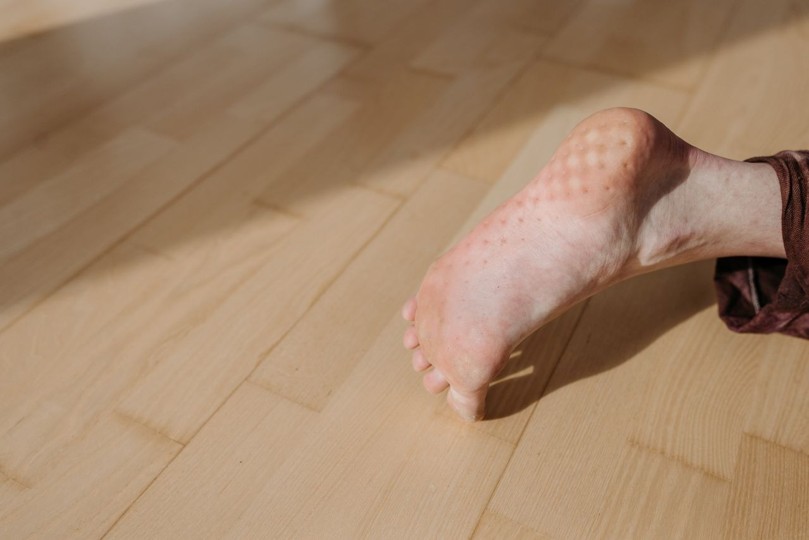
Cracked heels are more common than most people think, and in Ontario, the climate makes things even trickier. From freezing winters that dry out your skin to long summers spent in sandals, your heels go through a lot. Whether your heels are just a little rough or deeply cracked and painful, this guide covers everything you need to know: what causes them, how to stop them from getting worse, and how to actually heal them.
Ontario has one of the most varied climates in Canada. Winters are cold and dry, which pulls moisture out of your skin fast. Heated indoor air makes things worse by stripping away the natural oils your feet depend on. Come summer, sandals and open-backed shoes leave your heels exposed and unprotected, allowing skin to dry and crack more easily.
The seasonal shift from warm to cold also tends to catch people off guard. Many Ontarians go from flip-flops in August to heavy boots by October without giving their feet much care in between. That quick change, combined with less walking barefoot indoors, means heel skin often gets dry, thickened, and cracked before anyone notices a problem.
Humidity levels in Ontario drop sharply in the winter months, hovering around 20–30% indoors. At that level, the skin on your heels can lose moisture significantly faster than it would in milder climates. This makes Ontario residents particularly prone to developing heel fissures compared to people living in humid coastal regions.
Cracked heels do not happen overnight. They usually develop over time from a mix of factors, some related to lifestyle, some to health, and some to habits you might not even think about.
| Dry skin (xerosis) is the leading cause of cracked heels, and it is often made worse by dehydration, poor nutrition, and standing for long hours. |
Standing on hard floors for long periods, common for nurses, teachers, retail workers, and construction workers, puts repetitive pressure on the heel pad. Over time, this pressure pushes the fatty pad outward, causing the surrounding skin to crack. Wearing shoes without proper cushioning makes this even more likely.
Certain health conditions also play a big role. Diabetes, thyroid disorders, and psoriasis are known to affect skin health and can make heels more vulnerable to cracking. People with flat feet or who carry extra weight are also at higher risk because of the added pressure on the heel area. If you have any of these conditions and notice persistent heel problems, it is worth speaking with a professional.
Diet matters too. A lack of zinc, omega-3 fatty acids, and vitamin E can leave skin thin and prone to cracking. Staying well-hydrated and eating a balanced diet supports your skin from the inside out, something that is easy to overlook when focusing only on topical treatments.
Prevention is always easier than treatment when it comes to heel care. A few consistent habits can make a real difference, especially going into Ontario’s dry winter months.
| Moisturize daily
Apply a thick heel cream or urea-based lotion every night before bed. |
Wear supportive shoes
Avoid open-heeled footwear for extended periods, especially on hard floors. |
Soak and exfoliate
Soften heels weekly with a warm soak, then gently use a pumice stone. |
Drink more water
Skin hydration starts from within. Aim for 8 glasses of water per day. |
Wearing cotton socks after moisturizing overnight is one of the most effective and underrated tricks. The socks lock in moisture while you sleep, giving your heels a long window to absorb the cream. Just a few nights of this routine can visibly improve dry, rough skin.
For mild to moderate cracks, home treatment works well. Start by soaking your feet in warm (not hot) water for 10–15 minutes. This softens the thickened skin and makes it much easier to work with. After soaking, gently file the area with a pumice stone or foot file. Do not be too aggressive, as over-filing can irritate healthy skin underneath.
After filing, apply a heel balm that contains urea (10–25%), salicylic acid, or lactic acid. These ingredients help break down hardened skin and allow moisture to penetrate deeper. Look for products labeled specifically for cracked heels rather than general body lotion, as the concentration of active ingredients is higher. Seal it in with a pair of socks.
| For painful or bleeding cracks, cover the affected area with liquid bandage or medical-grade heel tape before applying any cream. This protects the fissure and speeds up healing. |
Consistency matters more than intensity. Doing a quick moisturizing routine every day beats an intensive treatment once a week. Most people see noticeable improvement in cracked heels within two to three weeks of daily care.
Home remedies work well for most cases. At LMC Footcare, professionals in Ontario are equipped to handle more advanced heel problems, from deep fissures to underlying conditions that affect skin health. If your cracks are bleeding, infected, or not improving after a few weeks of home treatment, it is time to get professional help.
A certified chiropodist or podiatrist can assess whether your cracked heels are linked to a systemic condition like diabetes or hypothyroidism. They can also safely debride (remove) thickened skin with professional tools, apply medical-grade treatments, and recommend custom orthotics if foot mechanics are contributing to the problem.
Not all foot creams are made equal. For cracked heels, look for products with a urea concentration of at least 10% brands like Gehwol, Flexitol, and Eucerin all carry formulas readily available at Canadian pharmacies. Higher urea percentages (20–25%) are more effective for severe dryness and thickened skin.
Heel balm sticks are a handy option for daytime use since they are less greasy and fit easily in a bag or desk drawer. At night, go for the richer cream version and cover with socks. If you want a budget-friendly option, plain petroleum jelly applied generously and covered with socks overnight is still one of the most effective treatments available.
| Avoid products with alcohol high on the ingredient list. It may feel cooling at first, but it actually dries out skin further with regular use. |
Cracked heels are not something you just have to live with. With the right routine and a little attention, most people in Ontario can keep their heels smooth and pain-free year-round. Start small, a nightly moisturizer and a pair of socks go a long way. And if your heels need more than home care can provide, reaching out to a local foot care professional is always the smart next step. Your feet carry you through everything. They deserve the attention.
Q1: What causes cracked heels in Ontario?
Answer: Cracked heels are primarily caused by dry skin (xerosis), which can be exacerbated by dehydration, poor nutrition, standing for long hours, and harsh weather conditions in Ontario. Factors like certain health conditions, wearing unsupportive shoes, and a lack of proper foot care can also contribute to the problem.
Q2: How can I prevent cracked heels during Ontario’s dry winter months?
Answer: To prevent cracked heels, you should moisturize daily using a thick heel cream, wear supportive shoes instead of open-heeled footwear, soak and exfoliate your feet weekly, and stay hydrated by drinking plenty of water. Moreover, wearing cotton socks overnight after moisturizing can help lock in moisture.
Q3: What are some effective home treatments for cracked heels?
Answer: For mild to moderate cracks, soak your feet in warm water for 10–15 minutes, gently file the area with a pumice stone, and then apply a heel balm containing urea, salicylic acid, or lactic acid. For painful cracks, cover them with a liquid bandage or medical-grade heel tape before applying any cream.
Q4: When should I see a foot care professional for cracked heels?
Answer: You should seek professional help if your cracked heels are bleeding, infected, or not improving after a few weeks of home treatment. A certified chiropodist or podiatrist can assess for underlying conditions and provide advanced treatments if necessary.
Q5: What products are recommended for treating cracked heels in Canada?
Answer: Look for foot creams with at least 10% urea concentration, such as those from brands like Gehwol, Flexitol, and Eucerin.For daytime use, heel balm sticks are convenient, while richer creams are better for nighttime. Avoid products with alcohol high on the ingredient list, as they can further dry out the skin.


Follicular obstruction is common dermatologic concern link with acne and clogged pores. It develop when hair follicle becomes block by sebum, keratin and dead skin cells. This condition often result …
Posted Jun 18, 2026 Cosmetics
Connecting innovation decision makers to authoritative information, institutions, people and insights.

Medigy accurately delivers healthcare and technology information, news and insight from around the world.
Medigy surfaces the world's best crowdsourced health tech offerings with social interactions and peer reviews.
© 2026 Netspective Foundation, Inc. All Rights Reserved.
Built on Oct 22, 2026 at 6:05pm