

Managing Editor
@ShahidNShah
@ShahidNShah
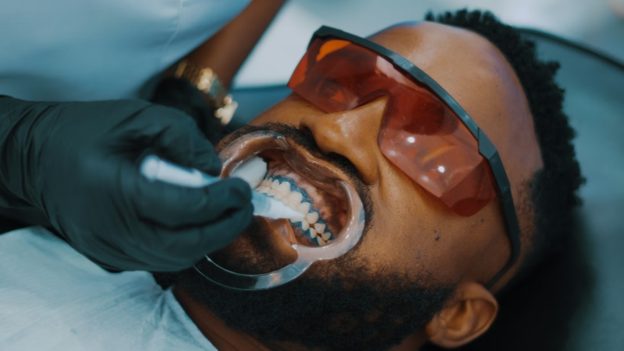
The smile makeover industry has exploded into an $8.1 billion market, with Americans investing more than ever in cosmetic dental procedures—a 400% increase over the past decade according to the American Academy of Cosmetic Dentistry. What’s driving this surge isn’t just vanity; it’s the growing understanding that your smile affects everything from career advancement to personal relationships. Research from the Journal of the American Dental Association shows that people with attractive smiles are perceived as more successful, trustworthy, and intelligent.
Yet despite the popularity, many people still approach cosmetic dentistry with outdated assumptions about invasiveness, cost, and effectiveness. The field has transformed dramatically, with minimally invasive techniques, advanced materials, and personalized treatment plans that can address virtually any aesthetic concern. Whether you’re dealing with discoloration, gaps, chips, or complete smile redesigns, today’s cosmetic dental procedures offer solutions that weren’t possible just five years ago.
Here’s what you need to know about the most transformative options available and how to navigate this rapidly evolving landscape to achieve the smile you want.
Cosmetic dental procedures focus primarily on improving the appearance of your teeth, gums, and overall smile, though many also provide functional benefits. Unlike restorative dentistry, which addresses oral health problems like decay or structural damage, cosmetic dentistry enhances aesthetics while often improving function simultaneously.
The distinction isn’t always clear-cut. A dental crown, for instance, might restore a damaged tooth while dramatically improving its appearance. Similarly, orthodontic treatment corrects bite issues and jaw alignment while creating a more attractive smile. This dual benefit explains why cosmetic dentistry has become integral to comprehensive dental care rather than remaining a purely elective specialty.
Modern cosmetic dentistry operates on the principle of conservative treatment—achieving maximum aesthetic improvement with minimal intervention. Advanced materials like lithium disilicate ceramics and composite resins now allow dentists to create natural-looking results that were impossible with older techniques. Digital smile design technology enables patients to see potential outcomes before treatment begins, ensuring realistic expectations and optimal results.
The psychological impact often surprises patients most. A study published in the Journal of Conservative Dentistry found that 96% of patients reported increased self-confidence after cosmetic dental treatment, with 74% experiencing improved social interactions. These aren’t just cosmetic changes—they’re life changes that affect how people present themselves professionally and personally.
Understanding the mechanisms behind cosmetic dental procedures helps demystify the process and set realistic expectations. Most procedures fall into four categories: additive techniques (adding material to teeth), subtractive techniques (removing or reshaping existing structure), replacement techniques (substituting artificial materials), and repositioning techniques (moving teeth into better alignment).
Additive techniques like composite bonding and veneers work by layering tooth-colored materials over existing tooth structure. Modern composite resins bond chemically with enamel through a process called micro-mechanical retention—the material literally locks into microscopic pores in the tooth surface. Porcelain veneers require minimal tooth preparation (typically 0.5mm of enamel removal) before ultra-thin ceramic shells are bonded permanently to the front surfaces of teeth.
Subtractive techniques include tooth contouring and selective enamel removal. These procedures reshape existing tooth structure to improve proportions, eliminate minor crowding, or correct small chips. The key advantage is preserving as much natural tooth structure as possible while achieving significant aesthetic improvements.
Replacement techniques encompass dental implants, crowns, and bridges. Dental implants involve surgically placing titanium posts that integrate with jawbone tissue through a process called osseointegration—essentially becoming artificial tooth roots. This biological integration typically takes 3-6 months but creates the strongest, most durable foundation for replacement teeth.
The success of modern cosmetic dentistry relies heavily on material science advances and biological understanding. Biocompatibility ensures that artificial materials don’t trigger immune responses or tissue rejection. Titanium implants work because the human body actually grows bone tissue around them, while ceramic materials mimic the optical properties of natural enamel.
Color matching involves understanding how light interacts with tooth structure. Natural teeth have complex optical properties—they’re translucent rather than opaque, with multiple layers that reflect and refract light differently. Modern dental ceramics incorporate these same properties, using varying degrees of translucency and color depth to match natural teeth precisely.
The longevity of cosmetic dental work depends on understanding stress distribution and wear patterns. Porcelain veneers, for example, are designed to handle normal chewing forces but can fracture under excessive pressure. This is why many cosmetic procedures include nightguards for patients who grind their teeth—protecting the investment while maintaining oral health.
Porcelain veneers represent the gold standard for comprehensive smile makeovers. These ultra-thin ceramic shells (0.3-0.7mm thick) cover the front surfaces of teeth, correcting color, shape, size, and minor alignment issues simultaneously. The process typically requires two visits: preparation and placement. Modern veneers can last 15-20 years with proper care and offer the most natural-looking results for extensive aesthetic changes.
Professional teeth whitening addresses discoloration through controlled bleaching agents. In-office treatments use 15-35% hydrogen peroxide with light or heat activation, achieving 3-8 shade improvements in a single session. At-home systems prescribed by dentists use lower concentrations (10-22% carbamide peroxide) over 1-2 weeks. The key difference from over-the-counter products is strength, safety monitoring, and customized application trays for even coverage.
Dental implants replace missing teeth with artificial roots and crowns that look, feel, and function like natural teeth. The process involves surgical placement of a titanium post, healing period for osseointegration, and finally attachment of a custom crown. While the timeline is longer (3-6 months), implants offer permanent solutions that preserve jawbone density and don’t affect adjacent teeth.
Composite bonding uses tooth-colored resin materials to repair chips, close gaps, or reshape teeth in a single visit. The dentist applies liquid resin in layers, shaping and sculpting before hardening with a special light. While less durable than veneers (5-7 years typical lifespan), bonding is reversible, affordable, and requires no tooth preparation.
Dental crowns cap entire teeth when extensive restoration is needed. Modern all-ceramic crowns eliminate the dark metal lines of older crowns while providing superior strength and aesthetics. The process requires two visits: preparation and placement, with temporary crowns protecting prepared teeth between appointments.
The trend toward conservative cosmetic dentistry emphasizes preserving natural tooth structure while achieving dramatic results. No-prep or minimal-prep veneers require little to no enamel removal, though they’re only suitable for specific cases where teeth don’t need significant reshaping.
Digital smile design allows dentists to plan treatments with computer precision. Digital impressions, photos, and videos create virtual models showing potential outcomes before any irreversible work begins. Patients can see how different veneer shapes, sizes, or tooth positions will look, ensuring satisfaction with final results.
Invisalign and clear aligners represent the evolution of orthodontic treatment, using custom-made transparent trays to gradually move teeth. Treatment times average 12-18 months for adults, with trays changed every 1-2 weeks. The aesthetic advantage is obvious, but the real innovation is precision—computer modeling predicts exact tooth movements throughout treatment.
Same-day dentistry using CAD/CAM technology allows some procedures to be completed in single appointments. Digital impressions create computer models used to mill crowns, veneers, or inlays from ceramic blocks while patients wait. This eliminates temporary restorations and multiple visits for many procedures.
The choice between veneers and whitening depends on the extent of discoloration and other aesthetic concerns. Professional whitening works best for surface stains and mild to moderate discoloration, typically achieving 3-8 shade improvements. It’s most effective on stains from coffee, tea, wine, or aging, but won’t change the color of existing fillings, crowns, or severe tetracycline staining.
Whitening treatments cost significantly less ($300-800 for professional treatment) and preserve natural tooth structure completely. Results typically last 1-3 years depending on lifestyle habits, with touch-up treatments maintaining the effect. The main limitations are uneven results on teeth with existing dental work and potential sensitivity during treatment.
Porcelain veneers can achieve any desired shade and address multiple concerns simultaneously—color, shape, size, and minor alignment issues. They’re the better choice for severe discoloration, worn or chipped teeth, gaps between teeth, or comprehensive smile makeovers. Veneers cost more ($800-2,500 per tooth) and require some enamel removal, making them essentially permanent.
The durability factor strongly favors veneers—15-20 years versus 1-3 years for whitening. However, this permanence means the decision requires careful consideration. Many dentists recommend trying professional whitening first, then considering veneers if results are insufficient.
Dental crowns cover the entire tooth, making them the choice for teeth with extensive damage, large fillings, or root canal treatment. They provide superior strength for back teeth that experience heavy chewing forces and can change tooth color dramatically. However, crowns require more tooth preparation—typically 1-2mm of enamel removal all around the tooth.
Veneers only cover the front surface, preserving more natural tooth structure while providing excellent aesthetics for front teeth. They’re ideal when the primary concerns are color, shape, or minor alignment issues, but inappropriate for teeth with significant structural damage.
Composite bonding offers the most conservative approach for minor imperfections. It requires no tooth preparation and can be completed in one visit, but it’s less durable and more prone to staining than ceramic options. Bonding works best for small chips, minor gaps, or slight shape modifications.
The decision often comes down to the extent of existing damage and aesthetic goals. Teeth with large fillings or structural problems need crowns for adequate strength. Healthy teeth with mainly cosmetic concerns are better candidates for veneers or bonding.
The psychological benefits of cosmetic dental treatment extend far beyond aesthetics. Research from the American Academy of Cosmetic Dentistry found that people with attractive smiles are perceived as 38% more photogenic, 25% more career-successful, and 25% more trustworthy by strangers. These perceptions translate into real-world advantages in professional and personal relationships.
Enhanced self-confidence represents the most commonly reported benefit. Patients often describe feeling more comfortable in social situations, speaking more freely, and smiling more naturally after treatment. This confidence boost can affect career advancement, dating success, and overall quality of life in measurable ways.
The aesthetic improvements themselves are substantial. Modern cosmetic dentistry can correct virtually any smile concern: discolored teeth, gaps, chips, worn edges, misalignment, and disproportionate tooth sizes. Computer imaging technology ensures predictable results that meet patient expectations.
Professional advantages shouldn’t be underestimated. Studies show that people with attractive smiles receive more positive responses in job interviews, client interactions, and networking situations. While this may seem superficial, the reality is that first impressions matter significantly in professional contexts.
Tooth sensitivity represents the most common side effect, particularly after whitening treatments or veneer preparation. This typically resolves within days to weeks but can be managed with desensitizing toothpaste and fluoride treatments. Severe sensitivity might require temporary modification of treatment protocols.
Irreversible changes to tooth structure occur with most cosmetic procedures. Veneer preparation removes enamel permanently, and crowned teeth always need crowns or similar protection afterward. Patients must understand these permanent alterations before proceeding with treatment.
Color matching challenges can arise when treating only some teeth. Whitening doesn’t change the color of existing dental work, potentially creating uneven results. Similarly, placing veneers on some but not all visible teeth requires careful color coordination to maintain natural-looking results.
Maintenance requirements vary by procedure but shouldn’t be underestimated. Veneers and crowns require regular dental care and may need replacement after 15-20 years. Whitening results fade gradually, requiring periodic touch-ups. Implants need careful cleaning around the gum line to prevent complications.
For special populations, additional considerations apply. Pregnant women should postpone elective procedures and avoid whitening treatments. Smokers face higher risks of implant failure and faster staining of whitened teeth or composite bonding. Patients with eating disorders may not be good candidates for certain procedures due to acid exposure concerns.
Cosmetic procedures often improve oral health outcomes beyond aesthetics. Properly aligned teeth are easier to clean effectively, reducing risks of decay and gum disease. Orthodontic treatment that creates straighter teeth typically results in better long-term oral health.
Bite correction through cosmetic treatment can alleviate jaw pain, headaches, and excessive tooth wear. When cosmetic changes also improve how upper and lower teeth meet, patients often experience relief from temporomandibular joint (TMJ) symptoms they didn’t realize were related to their bite.
Restorative benefits occur when cosmetic treatments also replace old, failing dental work. Replacing large silver fillings with ceramic crowns, for example, strengthens teeth while improving appearance. This dual benefit explains why many insurance plans now provide partial coverage for cosmetic procedures with restorative components.
The preservation of natural teeth through cosmetic treatment can prevent more extensive problems later. Bonding a small chip prevents it from growing larger; crowning a cracked tooth prevents it from splitting completely. Early cosmetic intervention often proves more conservative than waiting for problems to worsen.
Recovery varies significantly depending on the procedure’s invasiveness. Non-invasive treatments like professional whitening or bonding require minimal recovery—patients can return to normal activities immediately, though they should avoid staining foods and beverages for 24-48 hours while teeth are most porous.
Veneer placement typically involves mild sensitivity for 3-7 days as teeth adjust to their new coverage. Patients should avoid very hot or cold foods initially and use desensitizing toothpaste if recommended. The bite may feel different initially as patients adapt to the new tooth contours, but this sensation usually resolves within a week.
Implant surgery requires the longest recovery period due to the healing needed for osseointegration. Initial healing takes 7-10 days, during which patients should eat soft foods and avoid the surgical site. Complete integration takes 3-6 months before the final crown can be placed. Success rates exceed 95% when proper aftercare is followed.
Crown and bridge procedures involve temporary sensitivity and adjustment periods of 1-2 weeks. Temporary crowns require extra care to avoid dislodgement, while permanent restorations need time for patients to adjust to the new bite relationship.
Pain management typically involves over-the-counter medications for most cosmetic procedures. Prescription pain relievers are rarely needed except for implant surgery or extensive treatment. Ice packs can help reduce swelling after any procedure involving tissue manipulation.
Oral hygiene requirements become more critical after cosmetic dental treatment. While the procedures themselves don’t increase decay risk, the investment motivates better home care, and the value of the work requires protection. Patients with veneers, crowns, or implants often upgrade their oral hygiene routines significantly.
Protective appliances like nightguards become essential for patients who grind their teeth. The forces that cause wear on natural teeth can fracture or loosen cosmetic dental work. Custom-fitted nightguards distribute forces evenly and extend the lifespan of cosmetic treatments considerably.
Regular professional maintenance includes not just cleanings but also monitoring the integrity of cosmetic work. Dentists check for signs of wear, loosening, or failure at each visit. Early detection of problems allows for minor repairs rather than complete replacement.
Lifestyle modifications may be necessary to protect cosmetic dental investments. This includes avoiding habits like nail biting, ice chewing, or using teeth as tools. Patients with veneers should be particularly careful with very hard foods that could cause chipping.
The longevity expectations for cosmetic dental work depend heavily on maintenance quality. Well-maintained veneers can last 20+ years, while neglected ones may need replacement in 5-7 years. Professional cleanings every six months and excellent home care represent the best insurance for cosmetic dental investments.
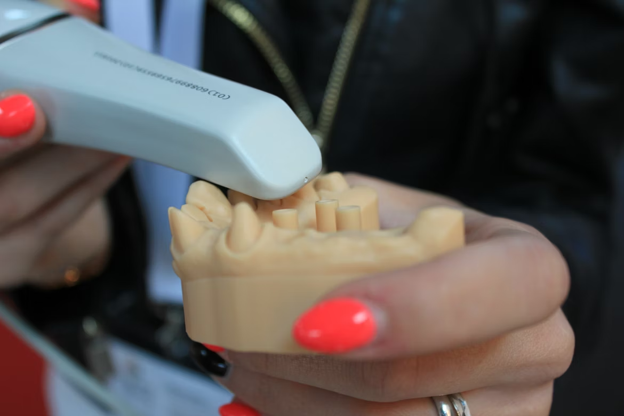
Digital dentistry continues revolutionizing cosmetic treatment through improved precision and efficiency. Intraoral scanners create detailed 3D models without traditional impressions, while computer-aided design and manufacturing (CAD/CAM) systems produce restorations with unprecedented accuracy. This technology enables same-day treatment for many procedures previously requiring multiple visits.
Bioactive materials represent the cutting edge of dental science. New ceramics and composites don’t just replace tooth structure—they actively promote remineralization and help prevent future decay. These materials release fluoride and calcium ions over time, strengthening surrounding tooth structure rather than simply covering it.
Minimally invasive techniques continue advancing with new bonding agents and preparation methods. Some veneers now require zero tooth preparation, while others need only 0.1-0.2mm of enamel removal. Advanced adhesive systems create stronger bonds with less tooth structure removal, preserving more natural tooth for the long term.
3D printing technology is transforming how dental restorations are manufactured. Custom surgical guides for implant placement, temporary restorations, and even final crowns can be printed with biocompatible materials. This technology reduces costs and treatment times while improving precision.
Long-term outcome studies consistently demonstrate the durability and patient satisfaction of modern cosmetic dental procedures. Research published in the International Journal of Prosthodontics shows 10-year survival rates of 93% for porcelain veneers and 95% for dental implants when properly maintained.
Patient satisfaction surveys reveal consistently high approval ratings for cosmetic dental treatment. The American Academy of Cosmetic Dentistry reports that 96% of patients are satisfied with their results, with 99% saying they would recommend cosmetic dentistry to friends and family.
Psychological outcome research demonstrates measurable improvements in quality of life after cosmetic dental treatment. Studies using validated psychological assessment tools show significant increases in self-esteem, social confidence, and perceived attractiveness following comprehensive smile makeovers.
Clinical effectiveness studies support the biological benefits of cosmetic treatment. Research shows that patients with cosmetic dental work maintain better oral hygiene and experience fewer dental problems over time, likely due to increased motivation to protect their investment.
Informed consent becomes particularly important in cosmetic dentistry because treatments are often elective and irreversible. Patients must understand not just the benefits but also the risks, limitations, and maintenance requirements. Ethical practitioners ensure realistic expectations through thorough consultation and, when appropriate, trial procedures.
Over-treatment concerns arise when cosmetic improvements are pursued at the expense of oral health. Removing healthy tooth structure for purely aesthetic reasons requires careful risk-benefit analysis. The principle of conservative treatment—achieving maximum benefit with minimal intervention—should guide all cosmetic dental decisions.
Access and equity issues in cosmetic dentistry raise important social questions. While these treatments can provide significant psychological and professional benefits, their cost often limits access to higher-income populations. Some practitioners address this through payment plans, pro bono work, or partnerships with charitable organizations.
Long-term responsibility extends beyond the initial treatment to lifetime maintenance and potential replacement. Ethical practitioners ensure patients understand the ongoing commitment required and have plans for long-term care. This includes honest discussions about the eventual need for replacement and associated costs.
The future of cosmetic dentistry lies in balancing technological advancement with ethical practice, ensuring that these transformative procedures remain accessible, safe, and focused on genuine patient benefit rather than purely commercial interests. As the field continues evolving, the focus on conservative treatment and long-term patient welfare will determine its ultimate value to society.


Good oral health is one of the most important steps to protect by maintaining your overall wellbeing. Regular dental check up not only keeps your smile great but also it stops long term problems such …
Posted Mar 6, 2026 Dental Care Dentistry
Connecting innovation decision makers to authoritative information, institutions, people and insights.

Medigy accurately delivers healthcare and technology information, news and insight from around the world.
Medigy surfaces the world's best crowdsourced health tech offerings with social interactions and peer reviews.
© 2026 Netspective Foundation, Inc. All Rights Reserved.
Built on Mar 27, 2026 at 3:45am