

Managing Editor
@ShahidNShah
@ShahidNShah
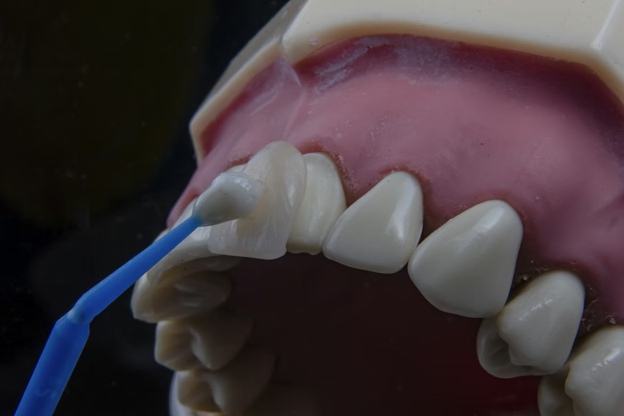
According to the American Dental Association’s 2024 research data, porcelain veneers have a 95% success rate over ten years when properly maintained — yet nearly 30% of patients experience some form of veneer complication within the first five years. As cosmetic dentistry advances and more patients seek smile makeovers, understanding what can go wrong with veneers has become increasingly critical. The gap between expectation and reality often stems from preventable issues that develop gradually, turning what should be a long-term investment into a source of frustration and additional expense.
For anyone considering veneers or already living with them, recognizing early warning signs can mean the difference between a simple repair and complete replacement. The complications that derail veneer success rarely appear overnight — they build slowly through a combination of material factors, placement techniques, and patient habits. Understanding these failure patterns, along with proven prevention and repair strategies, gives patients the knowledge to protect their investment and maintain their confident smile for decades to come.
Veneer failure typically follows predictable patterns rooted in the fundamental challenge of bonding artificial material to natural tooth structure. The most common issue involves debonding — when the adhesive connection between the veneer and tooth weakens or fails entirely. This happens because saliva and oral bacteria gradually infiltrate microscopic gaps in the bond, breaking down the resin cement over time. Temperature changes from hot and cold foods accelerate this process, causing the materials to expand and contract at different rates.
Chipping and fracturing represent another major failure mode, particularly with porcelain veneers. While these materials are incredibly strong under normal conditions, they’re vulnerable to sudden impact or excessive force. The thin edges of veneers — typically just 0.5 to 1.5 millimeters thick — concentrate stress in ways that can cause hairline cracks to propagate across the entire restoration. Once these microfractures begin, they rarely heal and instead worsen with each bite.
Discoloration poses a more subtle but equally problematic challenge. Unlike natural enamel, which has some translucency and can be whitened, veneers maintain their original color permanently. When the underlying tooth structure darkens due to age, medication, or trauma, it can show through thin veneers and create an uneven appearance. Additionally, the margins where veneers meet natural tooth structure are particularly susceptible to staining, creating visible lines that compromise the seamless appearance patients expect.
Sensitivity issues often develop when veneer preparation removes more enamel than anticipated or when the bonding process doesn’t seal microscopic gaps completely. The exposed dentin underneath becomes reactive to temperature changes and certain foods, creating discomfort that can range from mild irritation to sharp pain. This problem frequently compounds over time as thermal cycling continues to stress the bond interface.
Early detection of veneer problems can prevent minor issues from becoming major failures requiring complete replacement. The key lies in recognizing subtle changes that often precede obvious damage by months or years.
Margin discoloration typically appears first as a thin dark line where the veneer meets the natural tooth, particularly near the gumline. This staining indicates that the seal between materials has been compromised, allowing bacteria and debris to penetrate. Left untreated, this discoloration spreads and can lead to decay underneath the veneer.
Surface changes offer another early warning system. Veneers should maintain a smooth, consistent texture — any roughness, pitting, or loss of shine suggests the surface glaze has been damaged. This compromised surface becomes more prone to staining and bacterial accumulation. Hairline cracks may appear as barely visible lines that catch light differently than surrounding areas. These stress fractures often start at the edges and gradually extend inward.
Color inconsistency between veneers and adjacent teeth can signal underlying problems. If a veneer suddenly appears more translucent or develops a grayish tint, the bond underneath may be failing or the tooth structure may be changing. Visible chips at the edges, even microscopic ones, create entry points for bacteria and stress concentrators that can lead to larger fractures.
Temperature sensitivity that develops gradually in previously comfortable teeth often indicates bond deterioration or enamel exposure. This sensitivity typically starts mild but intensifies over time, particularly with cold beverages or air exposure. Unlike normal tooth sensitivity, veneer-related discomfort often feels sharp and localized to specific areas.
Pressure sensitivity when biting or chewing can signal that a veneer is beginning to debond or that the underlying tooth structure is compromised. This discomfort may come and go initially but tends to worsen with time. Gum irritation around veneer margins, including persistent redness, swelling, or bleeding, suggests that bacteria are accumulating in areas where the seal has failed.
Unusual sensations like a feeling that the veneer is “loose” or different when running the tongue across it often precede visible problems by weeks or months. Changes in the way teeth feel when biting together or a sense that the bite has shifted can indicate structural changes in the veneer or supporting tooth.
Prevention strategies for veneer longevity focus on protecting both the artificial material and the crucial bond interface that keeps everything in place. Oral hygiene requires adaptation rather than abandonment of normal routines. While veneers don’t decay, the underlying tooth structure remains vulnerable, particularly at the margins. Using a soft-bristled toothbrush with fluoride toothpaste helps maintain the bond area without abrading the veneer surface. Flossing becomes especially critical around veneer margins where bacteria can accumulate and compromise the seal.
Dietary considerations play a surprisingly large role in veneer survival. Hard foods like ice, nuts, or hard candy can create sudden stress that exceeds the material’s limits, particularly at thin edges. Sticky foods can pull at veneer margins and gradually weaken bonds. Acidic beverages — including wine, citrus juices, and sodas — soften the resin cement over time, making it more susceptible to bacterial infiltration. Patients who sip these beverages throughout the day rather than consuming them quickly create prolonged acid exposure that accelerates bond breakdown.
Habit modification addresses the most common preventable causes of veneer failure. Grinding or clenching teeth creates forces far beyond normal chewing — often 200-300 pounds per square inch — concentrated on thin veneer edges. A custom night guard distributes these forces across all teeth and protects vulnerable margins. Using teeth as tools for opening packages, biting nails, or holding objects subjects veneers to unpredictable stress directions they weren’t designed to handle.
Professional maintenance involves more than routine cleanings. Regular checkups allow dentists to identify early signs of bond failure, margin staining, or structural changes before they become symptomatic. Professional polishing removes surface stains and maintains the smooth surface that resists bacterial accumulation. Seeking guidance for cosmetic veneers for your smile ensures ongoing care matches the specific materials and techniques used in the original placement.
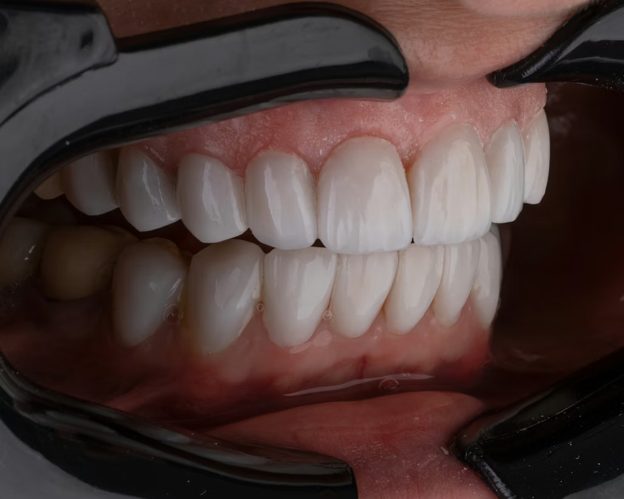
Modern restoration techniques for damaged veneers range from conservative repairs to complete replacement, depending on the extent and type of damage. Surface restoration addresses minor chips, scratches, or staining through polishing and composite bonding. Dentists can often rebuild small chips using tooth-colored composite resin that’s sculpted to match the original contour and polished to blend seamlessly. This approach preserves the original veneer while extending its functional life.
Edge sealing and margin refinishing tackle one of the most common problem areas where veneers meet natural teeth. When margins show signs of staining or bond degradation, dentists can clean these areas thoroughly and apply new bonding agents to restore the seal. This technique often prevents what would otherwise become a progressive failure requiring complete replacement.
Rebonding procedures become necessary when veneers debond partially or completely but remain structurally intact. The process involves careful removal of old cement, thorough cleaning of both surfaces, and application of fresh bonding agents. Modern adhesive systems often provide stronger bonds than the original placement, particularly when newer materials and techniques have become available since the initial installation.
Replacement strategies have evolved to become less invasive than traditional approaches. When veneers cannot be repaired, minimal-preparation techniques often allow new veneers to be placed without additional tooth reduction. Digital imaging and CAD/CAM technology enable precise fabrication that matches adjacent teeth exactly. In cases where underlying tooth structure has been compromised, treatment may involve addressing decay or structural issues before new veneers can be placed.
Advanced repair materials like ceramic repair compounds can sometimes restore function to cracked porcelain veneers without complete replacement. These materials bond chemically to porcelain and can be color-matched to blend invisibly with existing restorations.
The choice between porcelain and composite veneers significantly influences both the types of problems patients encounter and the available repair options. Porcelain veneers offer superior stain resistance and maintain their surface glaze for decades, but their brittleness makes them vulnerable to sudden fracture from impact. When porcelain veneers fail, they typically require complete replacement rather than repair.
Composite veneers, formed from tooth-colored resin materials, provide different advantages and challenges. Their flexibility makes them more resistant to fracturing under normal stress, and they can often be repaired directly in the mouth when damage occurs. However, composite materials are more porous than porcelain, making them susceptible to gradual staining and surface deterioration over time.
Thickness considerations affect failure patterns across both materials. Ultra-thin veneers (0.3-0.5mm) require minimal tooth preparation but concentrate stress in ways that can lead to edge chipping or flexural failure. Traditional thickness veneers (0.8-1.2mm) distribute forces more effectively but require more aggressive tooth preparation that can increase sensitivity risks.
Manufacturing quality varies significantly between materials and laboratories. High-quality porcelain systems use advanced ceramics with controlled crystal structures that resist crack propagation, while lower-grade materials may contain flaws that become failure sites under stress. Similarly, composite systems range from basic materials that discolor quickly to advanced nanotechnology formulations that maintain appearance for years.
The bonding interface represents the critical junction where most failures begin, regardless of veneer material. Modern adhesive systems have dramatically improved success rates, but they require precise technique and optimal conditions during placement. Understanding these material relationships helps patients make informed decisions about initial treatment and guides expectations for long-term maintenance and potential future needs.
The future of veneer treatment increasingly focuses on biocompatible materials that integrate more naturally with tooth structure, potentially reducing the stark material boundaries that create many current problems. For patients navigating these choices today, working with experienced practitioners who understand both material limitations and advanced bonding techniques remains the most reliable path to long-term success.


Many people want to refresh their appearance without committing to surgery, and modern dermatology offers several science-backed options to make that possible. Non-surgical facial rejuvenation focuses …
Posted Mar 25, 2026 Health Technology Skincare
Connecting innovation decision makers to authoritative information, institutions, people and insights.

Medigy accurately delivers healthcare and technology information, news and insight from around the world.
Medigy surfaces the world's best crowdsourced health tech offerings with social interactions and peer reviews.
© 2026 Netspective Foundation, Inc. All Rights Reserved.
Built on Mar 26, 2026 at 3:36pm